•
•
•
•
•
•
•
•
•
•
•
•
•
•
•
•
•
•
•
•
•
•
•
•
•
•
•
•
•
•
•
•
•


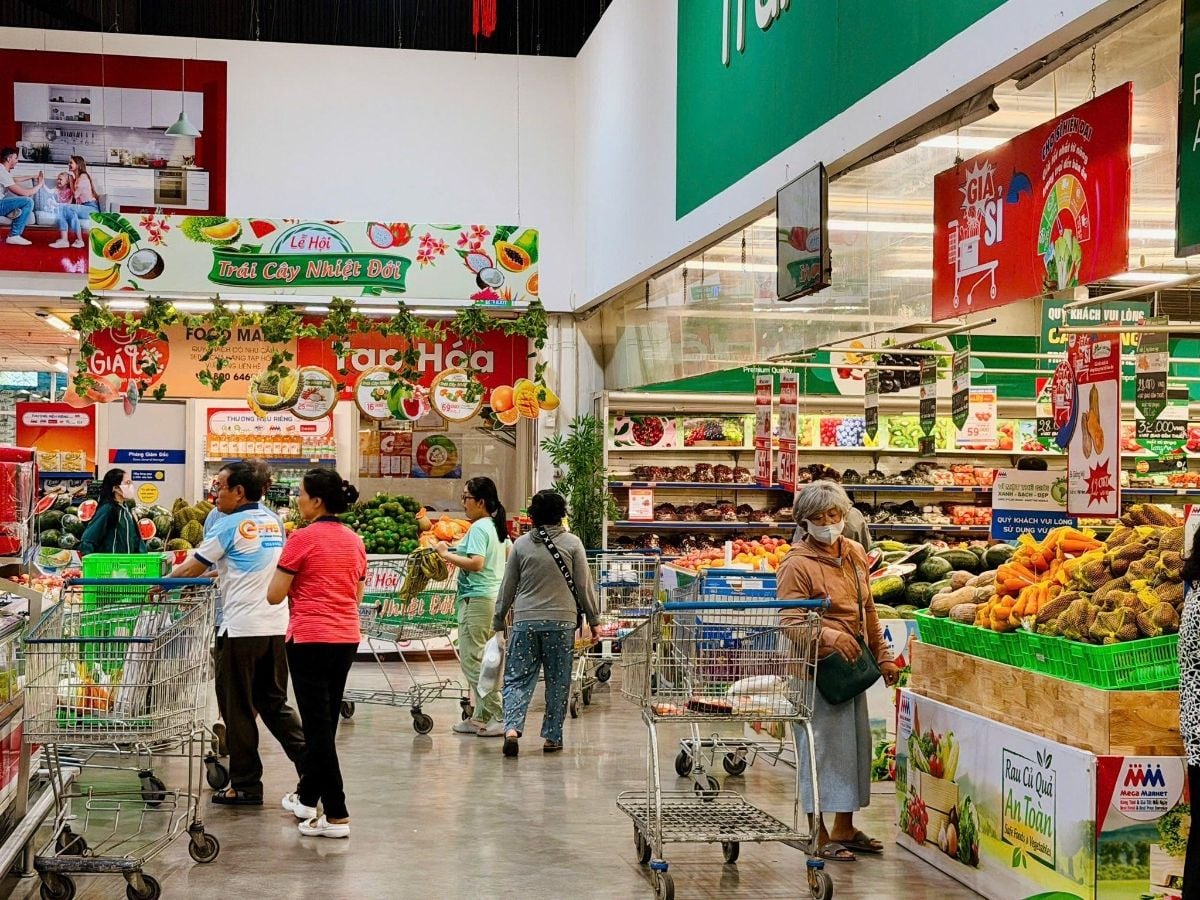
Discounts and promotions remain necessary to stimulate purchasing, but they are no longer a “universal weapon.” In a maturing market, price reductions can attract attention, yet it is the real value of products that sustains customer loyalty. Consumers are becoming more discerning, and their choices are increasingly clearer.
The government has issued Resolution No. 88/NQ-CP on promoting domestic market development, stimulating consumption, and advancing the campaign “Vietnamese people prioritize using Vietnamese goods.” The resolution sets out the objective of vigorously developing the domestic market and creating a strong growth driver through consumption stimulation.
A notable orientation in the resolution is placing OCOP products at the center of shopping centers, industrial zones, and residential areas—locations that previously had limited linkage to local specialty goods. Resolution No. 88 also situates these activities within large-scale stimulus programs such as “Vietnamese Goods Month,” high-quality Vietnamese goods fairs, and Vietnamese goods weeks, with OCOP products featured across venues. The approach goes beyond simple “display” and targets substantive sales and consumption circulation.
After fuel prices have continued to decline recently, the price level of goods in Hanoi and Ho Chi Minh City shows signs of cooling. This easing of input costs helps small traders and retailers, particularly as purchasing power remains slow to recover.
To stimulate holiday spending, retail chains have rolled out multiple promotions and discounts. In the Satra system, the “Brilliant Festival — Hot Sale” program runs from April 23 to May 10, offering promotions designed to spur buying activity. The program is implemented across four Satra Marts and more than 150 Satra Food convenience stores, with thousands of products included in promotions such as “buy 3 pay for 2,” shock pricing, and free bills on purchases of 99,000 VND or more. The retailer also emphasizes adequate stock and expands conveniences including online shopping and home delivery.
Meanwhile, from April 23 to May 6, MM Mega Market Vietnam launches a large-scale stimulus program tied to Hung Kings’ Memorial Day and the 30/4–1/5 holiday. The highlight is the “Local festival and OCOP specialties” display area, bringing traditional craft value closer to households. MM Mega Market Vietnam also states that promoting specialty products is not only about diversifying consumer baskets, but also about fulfilling its commitment to act as a strategic bridge—elevating OCOP agricultural products beyond local scale to enhance brand value in modern retail channels.
The retailer’s promotional blitz includes discounts up to 50% across essential categories, dried goods, beverages, and especially fresh products. Household items such as fans, beach accessories, and camping gear are also heavily discounted to meet holiday needs.
Similarly, from April 22 to May 5, 2026, Lotte Mart runs the “Celebrate Unity, Ultra Cool Sale” campaign. A wide range of products are discounted up to 50%, including imported beef, imported apples, seasonings, soy sauce, fish sauce, and laundry detergent. Weekend “super price” deals for member shoppers apply: with a bill of 500,000 VND, one product is offered at a “shock price” (limit two products per member per day).
For years, promotions were viewed as one of the most effective tools to stimulate demand in categories such as groceries, beverages, personal care, home care, and cosmetics. However, their role is changing as consumers become more cautious and selective.
Observations on major e-commerce platforms show promotions starting as early as April, following familiar cycles such as 4/4 double-date promotions, mid-month deals, “salary payday” promotions, and category-specific offers. As promotions become more frequent, the element of surprise—an important driver of shopping behavior—weakens. Retailers may increase promotion frequency to sustain sales, but the impact is no longer as clear.
While revenue can be maintained, profits may be eroded by discounting costs, advertising, and operational expenses. The market’s shift begins with the consumer: recent NielsenIQ reporting indicates Vietnamese consumers increasingly prioritize “value received” rather than only price cuts. PwC Vietnam surveys also show consumers comparing prices across channels and considering purchases more carefully. In an environment of frequent promotions, price is no longer the sole criterion; it is weighed against quality and product experience.
The consumer market appears to be entering a transitional phase. When price discounts no longer provide a sustainable competitive advantage, businesses need other factors to retain customers. Product quality, shopping experience, brand trust, and price transparency are becoming decisive.
According to TikTok’s data, 95% of Vietnamese consumers say authentic content directly affects buying decisions, and 76% tend to search, click, or add products to their cart after exposure to such content. Globally, Nielsen also notes that 92% of consumers trust user-generated content more than traditional advertising. These figures suggest that trust is becoming a key determinant of consumer behavior.






Premium gym chains are entering a “golden era” that is ending or already in decline, as rising operating costs collide with shifting consumer preferences toward more flexible, community-based ways to exercise. Long-term memberships are shrinking, margins are pressured by higher rents and facility expenses, and competition from smaller, more personalized…




