•
•
•
•
•
•
•
•
•
•
•
•
•
•
•
•
•
•
•
•
•
•
•
•
•
•
•
•
•
•
•
•
•



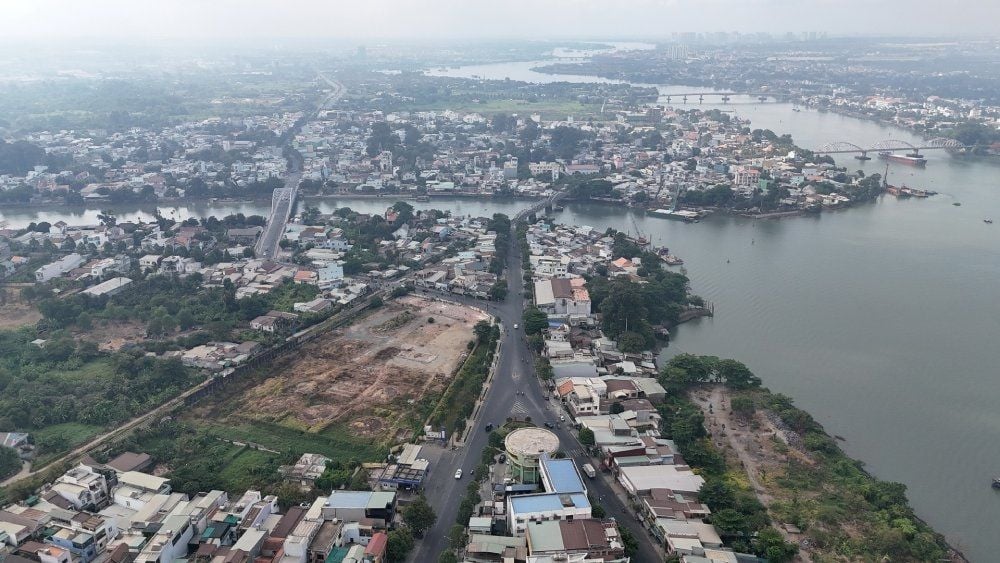
On March 26, 2026, the Đồng Nai Provincial People’s Committee issued a plan to auction land-use rights for 2026 on a large scale, to be implemented across 107 plots in the province. The plots cover urban areas, ports, and land around Long Thành airport, with the plan expected to generate substantial revenue for local budgets.
Under the plan, seven plots with a total area of more than 184 hectares will be carried forward from 2025 to complete procedures for land handover or auctions. In addition, 73 plots with a total area of about 324 hectares will be prioritized this year to concentrate resources and begin effective exploitation.
Two plots totaling about 90 hectares, located within the Long Thành airport area, are highlighted in the 2026 auction plan. The land bank is described as strategically located and directly benefiting from the national-scale aviation infrastructure project, which is expected to attract strong investor interest and generate thousands of billions of VND for the state budget.
The Đồng Nai Provincial People’s Committee assigns the Center for Land Resource Development to lead and coordinate with relevant units to accelerate the process. The bidding process is required to be transparent and strictly comply with the law. The province will supervise key steps including the determination of starting prices, the selection of the auction organizer, and the evaluation of participants to minimize profiteering and market distortion.
According to the province’s guidance, the land auctions are intended not only to exploit land resources efficiently, but also to meet housing demand and promote infrastructure development—supporting economic and social growth in the near future.





Premium gym chains are entering a “golden era” that is ending or already in decline, as rising operating costs collide with shifting consumer preferences toward more flexible, community-based ways to exercise. Long-term memberships are shrinking, margins are pressured by higher rents and facility expenses, and competition from smaller, more personalized…