•
•
•
•
•
•
•
•
•
•
•
•
•
•
•
•
•
•
•
•
•
•
•
•
•
•
•
•
•
•
•
•
•


As of May 7, the owner of an agricultural export company said in an interview with the Người Lao Động newspaper that the business has 10 containers of durian awaiting sampling at the Dau Giay area in Dong Nai. The owner warned that some lots may need to be redirected to domestic consumption or separated into segments and frozen because fresh durian cannot be stored for long. “If we have to switch to this option, the shipment could lose about 70% of its value,” the owner said.
The owner noted that while there are many laboratories that test cadmium (Cd) and other specifications for export to China, in practice only a few units regularly accept samples. The Dau Giay testing facility is overloaded, and testing costs have also risen. Companies sometimes have to use intermediaries to reach the sampling queue. “Because we have already loaded the goods, our warehouse has temporarily stopped purchasing new durian due to downstream congestion,” the owner added.
Mr. Vo Tan Loi, Chairman of the Dong Thap Durian Association, said the biggest bottleneck is the testing stage. Without test results meeting the standard, durian cannot be exported to China. Loi attributed the accumulation of containers in Dau Giay to the presence of a testing facility there that China approves and accepts for sampling, while some laboratories previously refused to accept samples from the Mekong Delta. He said those labs feared suspension if their results did not match those used by China during re-testing.
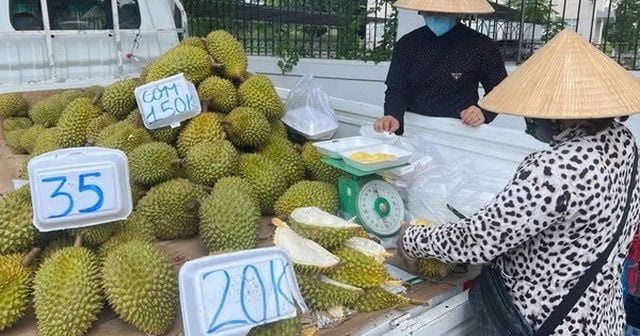
Export difficulties are pushing many farmers to sell durian on roadsides to recover capital. Some companies purchase and freeze certain batches, but volumes are limited due to tight finances. Mr. Loi said bank loan interest rates have risen from about 6–7% per year to over 9% per year, increasing the cost of capital. He gave an example: the raw material cost for a container of durian is around VND 2.4 billion, while storage for 5–6 months is required before sale.
Mr. Nguyen Van Muoi, Deputy General Secretary of the Vietnam Fruit and Vegetables Association, said the sector’s difficulties are “quite severe.” He urged authorities to negotiate more actively with Chinese customs authorities (GACC) to increase the number of recognized testing laboratories. He also called for the prompt implementation of measures to sanitize plantations and improve soil in the Mekong Delta to reduce cadmium risk.
Premium gym chains are entering a “golden era” that is ending or already in decline, as rising operating costs collide with shifting consumer preferences toward more flexible, community-based ways to exercise. Long-term memberships are shrinking, margins are pressured by higher rents and facility expenses, and competition from smaller, more personalized…