•
•
•
•
•
•
•
•
•
•
•
•
•
•
•
•
•
•
•
•
•
•
•
•
•
•
•
•
•
•
•
•
•


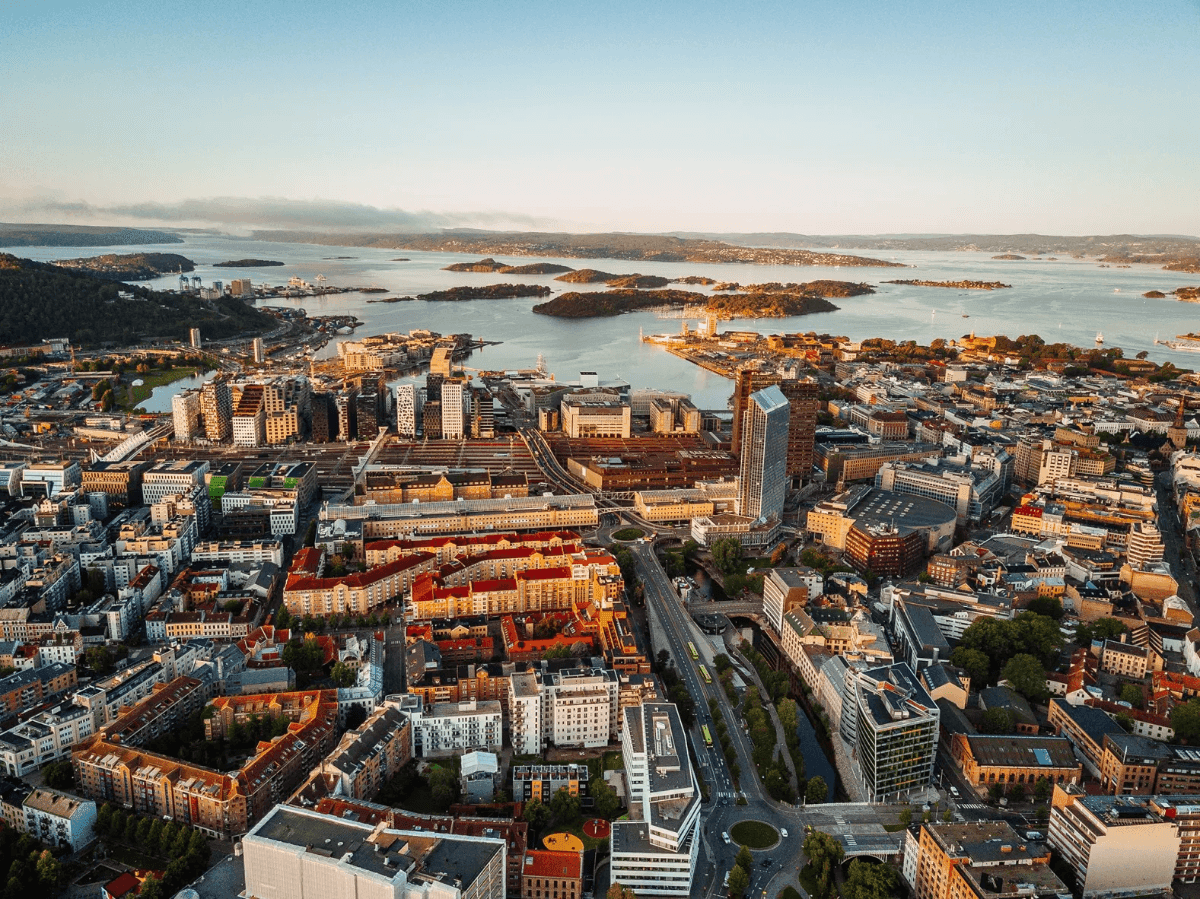
Europe dominates the ranking of the world’s wealthiest countries in 2026, according to a prosperity index compiled by HelloSafe and cited by Euronews. The index evaluates not only economic output, but how wealth translates into living standards, social cohesion and long-term sustainable development. On this measure, the wealthiest country in 2026 is Norway.
HelloSafe argues that GDP per capita can distort comparisons because it assumes a country’s output is evenly distributed across its population. Ireland is cited as an example: its GDP per capita on a purchasing power parity (PPP) basis is around 150,000 USD, but this figure is largely driven by multinational firms such as Apple, Google and Pfizer operating in Ireland. The gap between output per capita and household income per person is estimated at about 70,000 USD.
The prosperity index ranks more than 50 countries on a 100-point scale. It uses data from the IMF, World Bank, UNDP, Eurostat and the OECD, combining income, inequality and broader social indicators into a single prosperity measure.
Based on the index, Europe leads the rankings, with five of the richest countries located in the region. Norway takes first place due to the highest GNI per capita and a strong social model. Ireland ranks second, supported by high real income even as GDP is inflated by multinational activity.
Luxembourg is third, marking the first time it has fallen from the top spot since the index began. Other leading performers include Iceland, ranking fifth, supported by strong human development and low poverty.
The article also reports regional leaders and comparisons across the index.
The results suggest that Europe remains dominant in global prosperity metrics, but the ranking shifts when inequality and social outcomes are included. Overall, the data indicate that “wealth” is not defined solely by economic output, but by how widely that wealth is shared.







Premium gym chains are entering a “golden era” that is ending or already in decline, as rising operating costs collide with shifting consumer preferences toward more flexible, community-based ways to exercise. Long-term memberships are shrinking, margins are pressured by higher rents and facility expenses, and competition from smaller, more personalized…