•
•
•
•
•
•
•
•
•
•
•
•
•
•
•
•
•
•
•
•
•
•
•
•
•
•
•
•
•
•
•
•
•


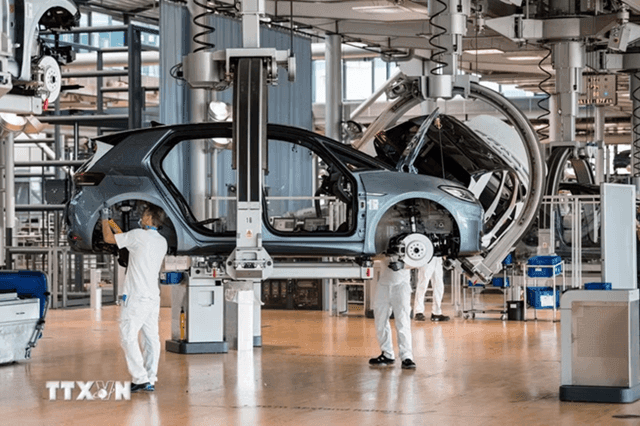
Major European automakers, including Volkswagen, BMW, Mercedes-Benz, Stellantis and Volvo Cars, have absorbed more than €8 billion in tariff costs per year since the United States raised import tariffs on European vehicles. The figure, based on public statements by executives, covers 2025 and the first quarter of 2026 as of the one-year mark since the tariffs were imposed.
On April 3, 2025, the United States increased tariffs on European cars from 2.5% to 27.5%, as part of President Trump’s protectionist trade strategy. The rate was later reduced to 15% under a US–EU trade agreement reached in August 2025, but automakers still reported substantial losses.
Bernstein analysis indicates that if a 25% tariff were applied, the three largest German automakers could face an additional €2.6 billion in costs in 2026.
Analysts noted that profits are already being squeezed by intense competition in China and the high costs of shifting to electric vehicles. In that context, automakers may struggle to absorb tariff-related expenses and could be forced to raise prices, which may dampen sales in the US market.
To reduce exposure to tariff barriers, many automakers are considering production shifts to the United States. Audi is evaluating building a US manufacturing site, though no investment decision has been announced.
Separately, the forthcoming three-row luxury SUV Q9—designed to appeal to American tastes for large vehicles—is set to be produced in Bratislava, Slovakia, meaning exports to the US would still face tariffs.
BMW CEO Oliver Zipse said he hopes for a US agreement that would grant tariff concessions for cars produced domestically. He added that broad support from the US government exists, but it would become effective only if the EU implements the first part of the agreement. Audi similarly said it hopes US–EU talks will prevent any further tariff increases.
Premium gym chains are entering a “golden era” that is ending or already in decline, as rising operating costs collide with shifting consumer preferences toward more flexible, community-based ways to exercise. Long-term memberships are shrinking, margins are pressured by higher rents and facility expenses, and competition from smaller, more personalized…