•
•
•
•
•
•
•
•
•
•
•
•
•
•
•
•
•
•
•
•
•
•
•
•
•
•
•
•
•
•
•
•
•


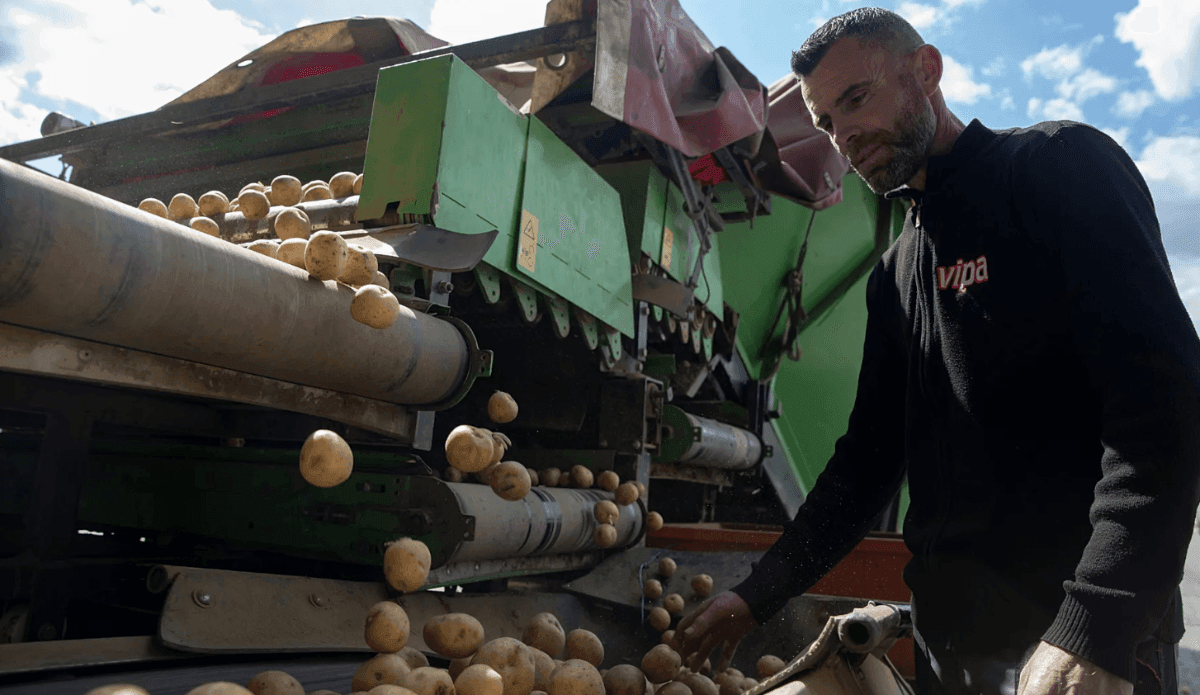
A speculative frenzy around potato financial contracts is unfolding in Europe even as the region faces a glut of the crop. According to Euronews, prices of financial contracts linked to potatoes have surged more than 700% in a matter of weeks, with speculative trading playing a central role amid turmoil tied to the Iran conflict.
Potato CFDs rose about 705% in less than a month. From April 21 to the present, the price per 100 kilograms on a CFD contract increased from roughly €2.11 to €18.50. Even so, this level remains well below prices seen in Europe’s physical potato market over the past two years, as the physical market is currently weighed down by surplus supply.
After harvest losses and earlier high potato prices, farmers in Belgium, the Netherlands, France and Germany expanded cultivation areas significantly. Favorable weather then produced unusually large harvests, creating a substantial oversupply in the European market.
With processors and exporters struggling to move the extra supply, farmgate potato prices have fallen. Some lower-quality potatoes—often used for animal feed or industrial purposes—have traded at very low prices or even negative values. In those cases, growers may face additional costs, such as transportation or processing, to clear unsold stock from farms.
The €18.50 per 100 kg level on the CFD contract reflects the price of potatoes freely traded on the open market, rather than fixed-price contracts between growers and processors. While this figure is higher than in some secondary-market situations where prices have even gone negative, many potato producers still consider it financially unsustainable given rising production costs, including fuel, fertilizer, storage and electricity.
The divergence between weakening physical prices and sharply higher potato CFDs highlights a key difference between the commodity market and the agricultural supply chain. Experts say financial prices can react strongly to volatility, harvest expectations, weather risk, export demand, or potential supply adjustments—even when inventories remain abundant.
In this context, the more-than-eightfold rise in European potato CFD prices does not indicate that potatoes have suddenly become expensive across the region. Instead, the increase reflects a market attempting to price in future conditions amid uncertainty.
The Middle East conflict has disrupted the production and export of chemicals and minerals essential for agricultural production, raising concerns about global food security. Because potatoes require substantial nutrients, sudden shortages of cheap fertilizers can directly affect future yields.
The situation is compounded by instability disrupting key shipping routes. The article cites the United Nations saying that, before the war, about one-third of the world’s fertilizers—such as urea, potash, ammonia and phosphates—were transported through the Hormuz Strait, a route now under blockade.
To cope with rising costs and growing uncertainty, traders appear to be pricing the future of potato contracts rather than focusing on current excess supply. For European consumers, this has not yet translated into a sharp rise in the price of a staple. However, the movements in potato CFD prices suggest a market that is unsettled and working to price in the broader economic impact of the Iran conflict.

Premium gym chains are entering a “golden era” that is ending or already in decline, as rising operating costs collide with shifting consumer preferences toward more flexible, community-based ways to exercise. Long-term memberships are shrinking, margins are pressured by higher rents and facility expenses, and competition from smaller, more personalized…