•
•
•
•
•
•
•
•
•
•
•
•
•
•
•
•
•
•
•
•
•
•
•
•
•
•
•
•
•
•
•
•
•


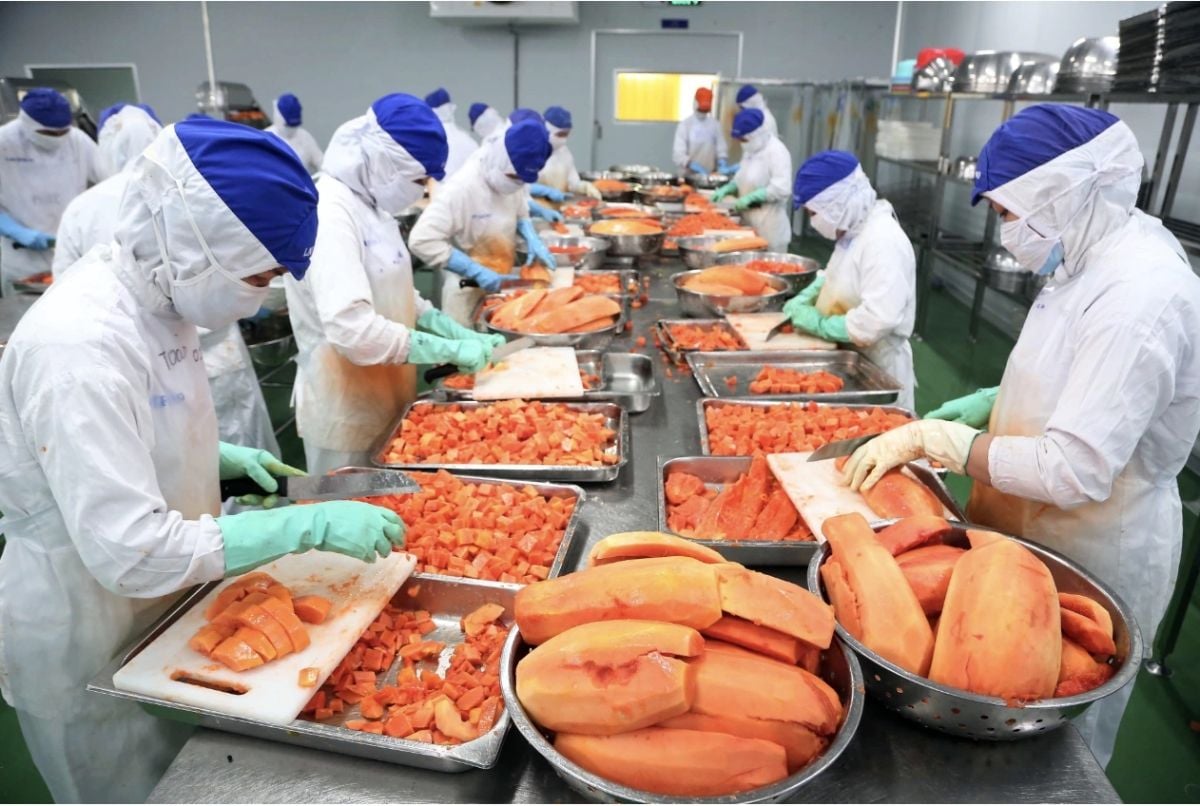
Opportunities for deep-processed fruits and vegetables in the United Kingdom are expanding as Vietnam’s trade relationship with the UK continues to grow steadily despite global volatility. At the conference “Opportunities and Challenges in Developing the UK Market” on May 11, 2026, Le Hoang Tai, Deputy Director of the Vietnam Trade Promotion Agency (Ministry of Industry and Trade), said the long-standing friendship between the two countries is creating positive momentum for stable economic and trade growth.
In 2025, bilateral trade between Vietnam and the UK reached about USD 9.3 billion, up 10% from 2024. Vietnam recorded a trade surplus, with exports of around USD 8.4 billion. The growth trend continued in the first three months of 2026, with turnover at USD 2.36 billion, suggesting the market is becoming more stable.
Le Dinh Ba, Counselor and Head of the Vietnamese Embassy Trade Office in the UK, said the UK is a large, high-income market with nominal GDP of around USD 4.26 trillion, creating strong purchasing power for high-quality products, well-developed brands, and reliable services.
Mr. Ba emphasized that exporters do not need to capture a large share of the overall market to succeed. Instead, firms should select the right segments, the right buyers, and meet the relevant standards. He added that small and medium enterprises also have opportunities, not only large companies.
He also pointed to the role of online retail: in 2025, online retail represented 27.5% of total UK retail, which he said is favorable for Vietnamese consumer products such as packaged foods, lifestyle goods, and items with local heritage stories.
While Vietnam’s export structure in 2025 was still led by electronics, agriproducts are rising quickly. Mr. Ba noted that Vietnam’s exports to the UK are not limited to textiles, footwear, seafood, or wood; the shares of processed industrial goods, electronics, and technology products are increasing. He cited expanding demand for products including toys, sports equipment, coffee, and fruits and vegetables, highlighting opportunities for companies to introduce value-added products with strong packaging and traceability into higher-value segments.
Conference discussions also highlighted that exporting to the UK involves a compliance ecosystem. Post-Brexit, the UK is reshaping its approach with stringent sustainability standards and high requirements for quality, product safety, environmental practices, and social responsibility.
With the UK pursuing Net Zero by 2050, retailers require transparent data on carbon, labor, and traceability. The Extended Producer Responsibility (EPR) regulation can create direct cost burdens for packaging that is difficult to recycle. Origin rules were also described as a bottleneck that affects eligibility for tax incentives. For agricultural and food products, compliance with sanitary and phytosanitary (SPS) measures and new UK procedures was noted as a non-trivial challenge.
Mr. Ba said that a large market size does not automatically translate into orders. Firms need to shift from a “sell-to-market” mindset to a “building the market” mindset. He stressed the importance of managing “price at the shelf” rather than focusing only on FOB pricing at Vietnamese ports.
Enterprises were advised to establish Export Data Rooms for each product line. Mr. Ba described this as a “weapon” to help firms respond professionally to questions about origin documentation, ESG certification, and traceability within 24–48 hours, which he said is crucial for building trust with UK importers.
He argued that exporters should advance step by step, verify progress with data, and avoid heavy early investments when the product is not yet ready. He also noted that firms should not go alone, and should leverage support from the Trade Office, the Trade Promotion Agency, industry associations, and relevant partners including logistics, legal, and testing entities.
“Opportunities do not lie in whether the UK market is large or not, but in whether Vietnamese enterprises are adequately prepared, have a compelling story, and have the right channels to go deeper. Vietnam’s biggest opportunity is not to export more, but to export better: with standards, traceability, branding, and the capacity to go the distance.”
Agricultural trade between Vietnam and the United Kingdom still has room to grow, with Vietnam–UK cooperation in clean energy progressing alongside trade development. The exports to the UK were described as facing three major challenges.







Premium gym chains are entering a “golden era” that is ending or already in decline, as rising operating costs collide with shifting consumer preferences toward more flexible, community-based ways to exercise. Long-term memberships are shrinking, margins are pressured by higher rents and facility expenses, and competition from smaller, more personalized…



