•
•
•
•
•
•
•
•
•
•
•
•
•
•
•
•
•
•
•
•
•
•
•
•
•
•
•
•
•
•
•
•
•


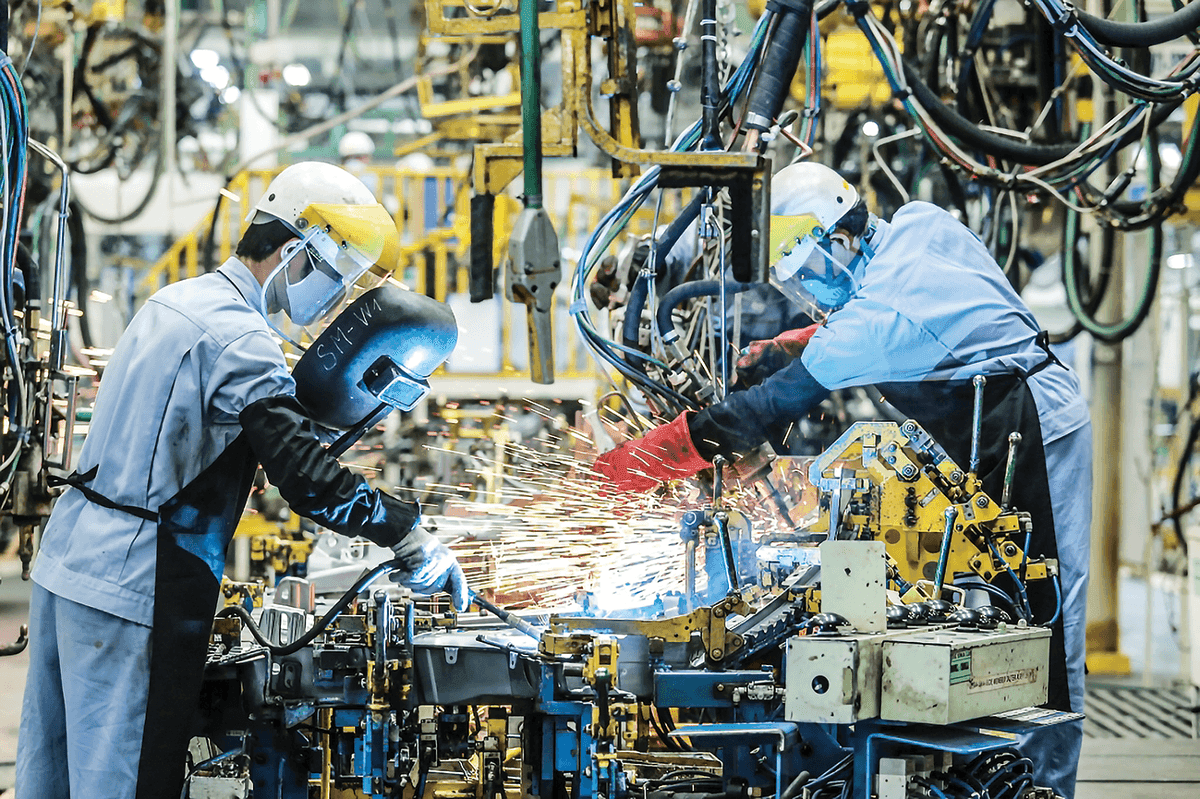
Between global geopolitical volatility and waves of supply-chain relocation, Vietnam has emerged as a strategic destination. Its stable macro foundations and flexible foreign policy are increasingly viewed as advantages for attracting foreign direct investment (FDI), while also creating an opportunity for Vietnam to establish a more balanced “balancing point” in FDI attraction—aiming for fairer and more sustainable benefits for both sides.
Global supply chains and value chains are undergoing significant changes due to geopolitical uncertainty and the lingering effects of the Covid-19 pandemic. To increase resilience and maintain operational efficiency, multinational enterprises (MNEs) have been accelerating restructuring of their investment and production networks, supported by actions from their home governments.
Common relocation strategies include selecting a “friend-shoring” destination (politically and economically friendly), near-shoring, or reshoring.
Research by Hayakawa et al. (2026) indicates that “political friendliness” is prioritized at the world’s three large manufacturing hubs—Factory America, Factory Asia, and Factory Europe. In Asia, however, “economic friendliness” plays a more prominent role.
A World Bank report, Shifting Shores: FDI Relocations and Political Risk (2024), notes that friend-shoring and near-shoring can create both opportunities and challenges, but benefits are not distributed evenly. Over the long term, core factors for attracting FDI remain a conducive business environment, macro stability, a high-quality workforce, sensible tax policy, and coherent infrastructure.
Vietnam attracts strong FDI from Korea, Japan, Taiwan, Singapore and China (including Hong Kong). The article attributes this to Vietnam’s stable macro environment, a fast-growing domestic market, well-developed port infrastructure, a young and cost-competitive labor force, and attractive FDI incentives.
The article emphasizes that foreign investors come to Vietnam primarily for economic reasons rather than political ones. Vietnam’s “bamboo diplomacy” policy is described as helping Vietnam maintain balanced relations with major powers without leaning toward any side.
Vietnam currently holds Comprehensive Strategic Partnerships with all five permanent members of the United Nations Security Council—China, Russia, the United States, France and the United Kingdom—and has established Comprehensive or Strategic Partnerships with 15 other countries despite geopolitical tensions.
In addition, Vietnam has a network of 17 free trade agreements providing access to markets of more than 50 countries and territories. These include new-generation FTAs such as EVFTA, UKVFTA, CPTPP and RCEP, as well as ongoing negotiations including ASEAN-Canada and Vietnam-EFTA.
Despite Vietnam’s advantages, the article says there are still areas to improve to meet rising expectations from foreign investors.
One frequently cited issue is the quality of domestic suppliers. According to the World Economic Forum, the quality of Vietnam’s domestic suppliers ranks 116th out of 137 economies, behind Thailand, Malaysia and Indonesia. The article also notes that rising labor costs and turnover are concerns for many MNEs.
Beyond manufacturing, foreign investors also want Vietnam to expand services such as telecommunications, finance, banking and retail.
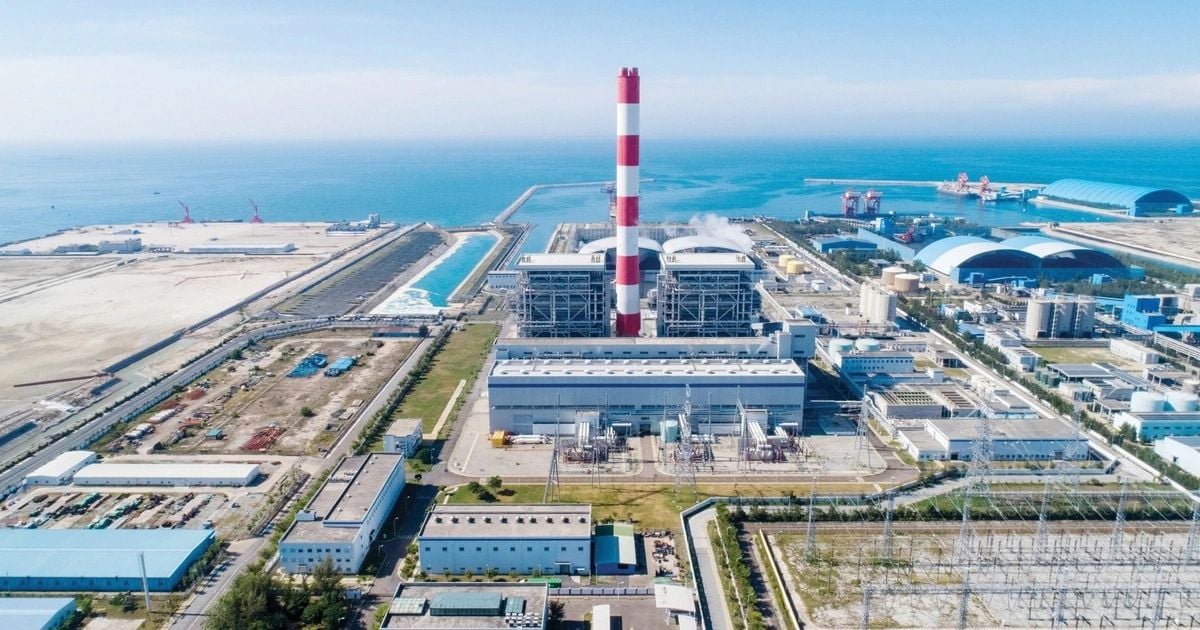
Logistics and energy infrastructure are described as bottlenecks. Road transport accounts for nearly 80% of freight, while infrastructure capacity remains limited. The World Bank’s Logistics Performance Index 2023 ranks Vietnam 43rd out of 140 economies, behind Malaysia, Thailand and the Philippines.
Administrative procedures are also a recurring concern. The article highlights expectations for more transparent, simpler and more efficient processes, citing overlapping regulations, prolonged procedures, and high compliance risk.
The article argues that the relative benefits between Vietnam and the FDI bloc are gradually shifting toward a more balanced distribution. While Vietnam remains heavily dependent on FDI, it is no longer in a position where it must compete “at any cost.” For multinational corporations, the article notes that choosing Vietnam can deliver clear economic benefits, while switching to a completely alternative destination is difficult when considering overall cost-benefit factors.
It also states that many investor demands—better infrastructure, energy, administrative procedures, and higher domestic supplier quality—are reform priorities for Vietnam. The goal is not only to attract capital, but also to help domestic enterprises participate more deeply in global value chains, particularly in higher value-added stages.
In this context, the article concludes that future FDI attraction strategies should aim for a balance of benefits among all parties, targeting fairer and more sustainable outcomes for Vietnam. It adds that when Vietnam understands its strengths, it can better screen and negotiate FDI projects for long-term, mutually beneficial collaboration.
Premium gym chains are entering a “golden era” that is ending or already in decline, as rising operating costs collide with shifting consumer preferences toward more flexible, community-based ways to exercise. Long-term memberships are shrinking, margins are pressured by higher rents and facility expenses, and competition from smaller, more personalized…