•
•
•
•
•
•
•
•
•
•
•
•
•
•
•
•
•
•
•
•
•
•
•
•
•
•
•
•
•
•
•
•
•


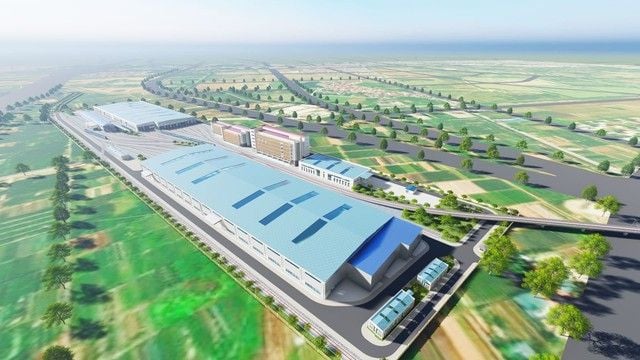
FECON JSC has signed an EPC contract worth 3,000 billion VND for the Hanoi metro Line 5 Văn Cao – Hòa Lạc project. The contract covers the S4–S5 and S5–S6 tunnel sections and the underground ramp using TBM technology, including foundation treatment, tunnel lining installation, waterproofing, and ancillary systems. The package will be implemented in collaboration with Pacific Construction Group of China.
According to a representative of Pacific Construction Group, the project will apply standardized Chinese equipment and technology while leveraging the execution capacity of Vietnamese contractors. The representative said this model is intended to create a win-win relationship between Chinese and Vietnamese parties and support the domestic rail industry localization policy over the next five years.
FECON’s prior work includes participation in Metro Line 1 Bến Thành – Suối Tiên in Ho Chi Minh City and Metro Line 3 Nhổn – Ga Hà Nội in Hanoi. In those projects, FECON handled TBM tunneling and foundation treatment for underground stations and ventilation shafts—work described as among the most complex elements, requiring strict safety, settlement control, and ground stability management in an urban environment.
FECON said its experience on high-standard underground projects underpins its capabilities in underground infrastructure. Looking ahead, the company noted that Vietnam’s urban rail and national rail markets are expected to have substantial growth potential. By 2035, Hanoi and Ho Chi Minh City are planned to develop metro networks exceeding 1,000 km, with estimated capital needs of over USD 150 billion, which the company said could create opportunities for domestic firms with deep expertise in underground works.
Within this context, FECON’s participation in Metro Line 5 Hanoi is expected to help strengthen its backlog and provide a stable revenue base, while further building construction capabilities and gradually strengthening its value chain in the domestic market.
Premium gym chains are entering a “golden era” that is ending or already in decline, as rising operating costs collide with shifting consumer preferences toward more flexible, community-based ways to exercise. Long-term memberships are shrinking, margins are pressured by higher rents and facility expenses, and competition from smaller, more personalized…