•
•
•
•
•
•
•
•
•
•
•
•
•
•
•
•
•
•
•
•
•
•
•
•
•
•
•
•
•
•
•
•
•


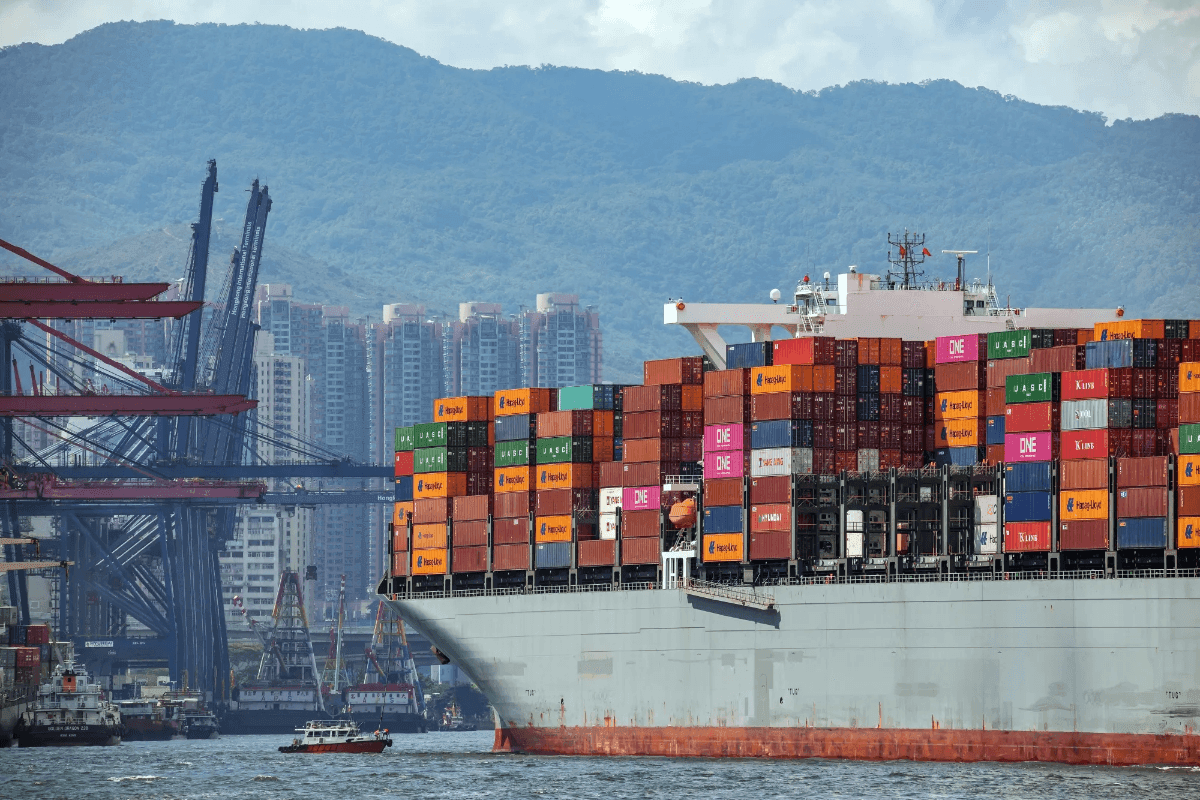
The Gulf War and the blockade of the Hormuz Strait have disrupted the flow of bunker fuel used by ships, tightening global supply of the heavy, high-pollution fuel. Bunker fuel is widely used because it is cheaper than refined fuels, despite its lower quality.
As Middle East disruptions persist, bunker fuel prices have risen sharply, particularly in Singapore, the world’s largest bunkering hub. In Singapore, prices increased from about $500 per ton to over $800 per ton in early May. While supply in Singapore remains stable, higher prices are already pressuring shipping companies.
Shipping firms are responding in the short term by slowing ship speeds and adjusting schedules to reduce fuel consumption. Some companies are also investing in vessels designed to use alternative fuels, but the shift is not straightforward for the industry.
Expert Henning Gloystein of Eurasia Group, speaking to Euronews, said the impact of the fuel shortage will not be confined to Asia and could spread through global supply chains. Southeast Asia has been among the most affected regions, and emergency measures have included increasing coal use, buying more crude oil from Russia, and reviving plans to develop nuclear energy.
UN data cited in the article show that more than half of global seaborne trade passed through Asian ports in 2024. That level of exposure means disruptions to bunker fuel supply in the region could have wider international repercussions.
In Singapore, bunker fuel supply is described as stable, but the article notes that sourcing disruptions from major heavy crude suppliers such as Iraq and Kuwait could eventually lead to shortages.
June Goh, a petroleum market analyst at Sparta Commodities, said shipping companies are currently absorbing much of the higher costs, but warned they may soon pass the burden to customers.
The European Federation for Transport and Environment estimates that the Iran conflict is causing global shipping losses of about €340 million per day. Risk specialist Oliver Miloschewsky of Aon added that bunker-fuel shortages can affect shipping prices quickly, and while impacts on individual products may be limited, the combined effect of higher shipping costs could ripple through supply chains and eventually affect consumer prices across multiple sectors.
Shipping lines have limited ways to respond: they can pay higher fuel prices or implement fuel-saving measures such as slow steaming or suspending voyages. Clarksons Research data cited in the article show that global average speeds of bulk carriers and container ships have fallen by about 2% worldwide since the start of the US–Iran conflict on February 28.
Rising fuel costs are also increasing interest in greener fuels. Hakan Agnevall of Wärtsilä said technology to produce lower-emission fuels exists, but scale has not yet been achieved and green fuels are often more expensive. He suggested the current conflict could prompt governments and companies to revisit greener options, while higher fossil-fuel prices may make green alternatives more commercially viable.
Caravel Group, owner of Fleet Management Limited, is overseeing more than 120 shipbuilding projects. CEO Angad Banga said about one-third of the ships currently being built for the company will be capable of using dual fuel, allowing operation on both heavy fuel and alternatives such as LNG.
Mr. Banga said shipowners are willing to pay more for vessels that can switch between fuels because flexibility has measurable economic value in a volatile environment. However, he noted that alternative-fuel systems still lack the flexibility and infrastructure of traditional bunker fuel.
The article states that more than 890 LNG-powered ships are operating worldwide, but infrastructure constraints have created bottlenecks. Even so, Mr. Banga said the industry is gradually adapting, and that disruption to heavy fuel supply is increasing interest in LNG-powered vessels.
He concluded: “This transition is real and is happening.”
Premium gym chains are entering a “golden era” that is ending or already in decline, as rising operating costs collide with shifting consumer preferences toward more flexible, community-based ways to exercise. Long-term memberships are shrinking, margins are pressured by higher rents and facility expenses, and competition from smaller, more personalized…