•
•
•
•
•
•
•
•
•
•
•
•
•
•
•
•
•
•
•
•
•
•
•
•
•
•
•
•
•
•
•
•
•


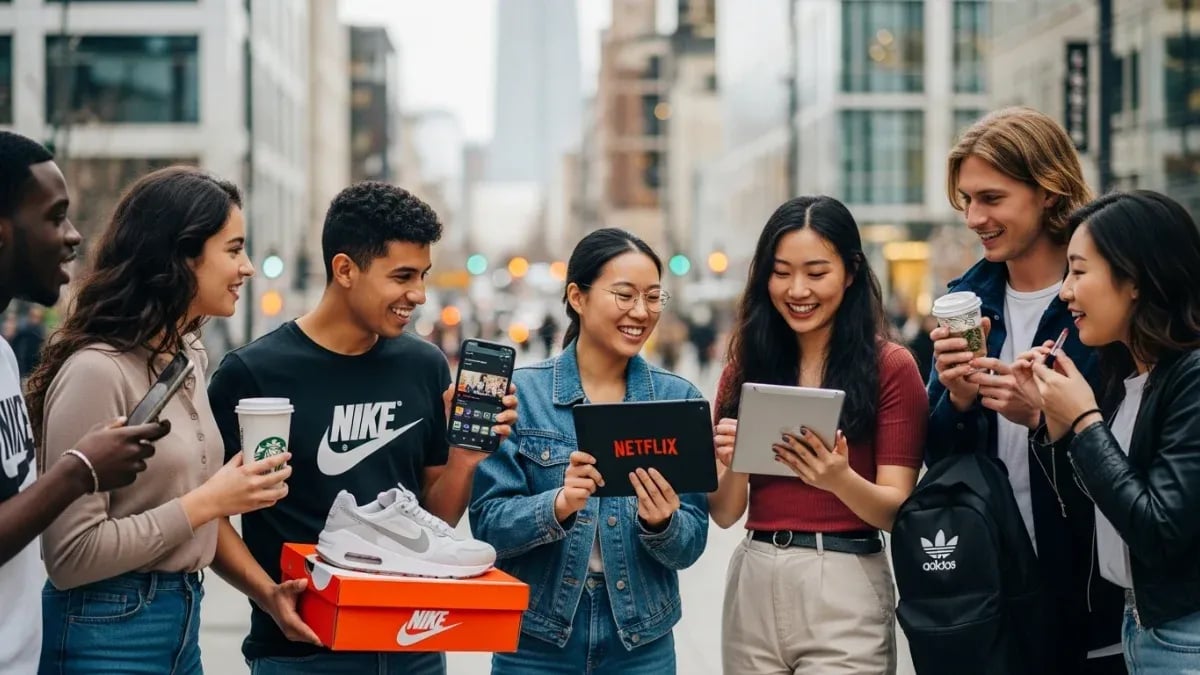
Gen Z is helping drive the expansion of the sharing economy across global markets, using online communities and peer-to-peer platforms to reduce costs while still accessing desired goods and experiences.
In Seoul, a 25-year-old woman in the Guro district, Park, went online to find people to split the cost of a spicy Chinese hotpot dish called malatang. She quickly found two Gen Z friends on Danggeun Market, an online platform for used goods, and the three shared the bill at about 13,000 won per person.
On Danggeun, posts such as “Looking for 3 or 4 people who enjoy mild flavors” and “Let’s order food delivery and split into separate boxes” are common. The article also notes that, in recent years, many single-person households have formed online communities to buy bulk consumer goods—ranging from toilet paper and snacks to fresh fruit—to secure discounts and save money.
In Japan, Gen Z consumers in their 20s are increasingly turning to co-ownership and peer-to-peer car sharing as a way to access luxury vehicles without full ownership. According to Nikkei, the Rendez-Vous car-sharing service typically involves a group of about five people co-owning a luxury car for one year.
Under the model, the operator buys a used car, and users pay depreciation for the year plus costs such as parking, maintenance, insurance, and taxes. The article provides an example: if a car is bought for 20 million yen and is expected to be worth 17 million yen after a year, the group would split a 3 million yen depreciation bill—about 600,000 yen per person per year.
For a Porsche 911, the article cites an entry deposit of 150,000 yen (about $950) and monthly fees around 64,000 yen (about $400). The service also reportedly has about 3,500 people on a waiting list. Rendez-Vous representative Ryota Asaoka said: “Ownership costs are too high for people in their 20s. We want to reduce the financial burden so they can still enjoy driving.”
In China, social media is reshaping luxury buying behavior, with Gen Z increasingly purchasing luxury goods in groups rather than buying alone. Jing Daily reported that the trend began in early 2025 after a social-media user proposed splitting a Tiffany Multi-heart Tag valued at 7,150 yuan into 23 equal parts.
Each participant would pay about $42 and receive a pendant described as an authentic luxury item. Within hours, the post attracted more than 22,000 likes, and the shared-luxury approach spread beyond Tiffany to brands including Van Cleef & Arpels and Bulgari.
One user wrote: “If I can’t afford the item at its original price, I won’t buy counterfeit.” The article says that when counterfeit is not an option and the genuine pendant is too expensive, spending over 300 yuan on an authentic pendant can be a compromise—allowing buyers to keep wallets intact while still obtaining tangible status.
In the United States, a 30-year-old woman named Emilie Nasseh runs a side business renting out her own clothes and accessories. She uses Pickle, a peer-to-peer clothing rental app launched in 2022, which allows users to share their closets to earn money.
Among the items most frequently rented are designer handbags, especially Chanel mini bags, which the article says have been rented almost weekly over the past year. Nasseh said: “This is a win-win for both sides,” adding that even in slow months she can earn around $500.
Pickle does not require subscriptions. Inventory comes directly from users’ wardrobes, and the platform lists more than 230,000 items from over 2,000 brands, ranging from luxury to mid-range. The article also states that top renters reportedly earn around $3,000 per month.
The article frames these developments as part of a broader shift: the sharing economy is moving from a niche activity to a mainstream economic model embedded in daily life and youth culture across multiple regions. It links this expansion to consumer pressure from rising living costs and slower job growth, and it notes that experts expect sustainability to be a major driver for sharing apps in the coming decade.
It also highlights that consumers continue to seek luxury items and memorable experiences, while aiming to avoid financial strain.







Premium gym chains are entering a “golden era” that is ending or already in decline, as rising operating costs collide with shifting consumer preferences toward more flexible, community-based ways to exercise. Long-term memberships are shrinking, margins are pressured by higher rents and facility expenses, and competition from smaller, more personalized…