•
•
•
•
•
•
•
•
•
•
•
•
•
•
•
•
•
•
•
•
•
•
•
•
•
•
•
•
•
•
•
•
•


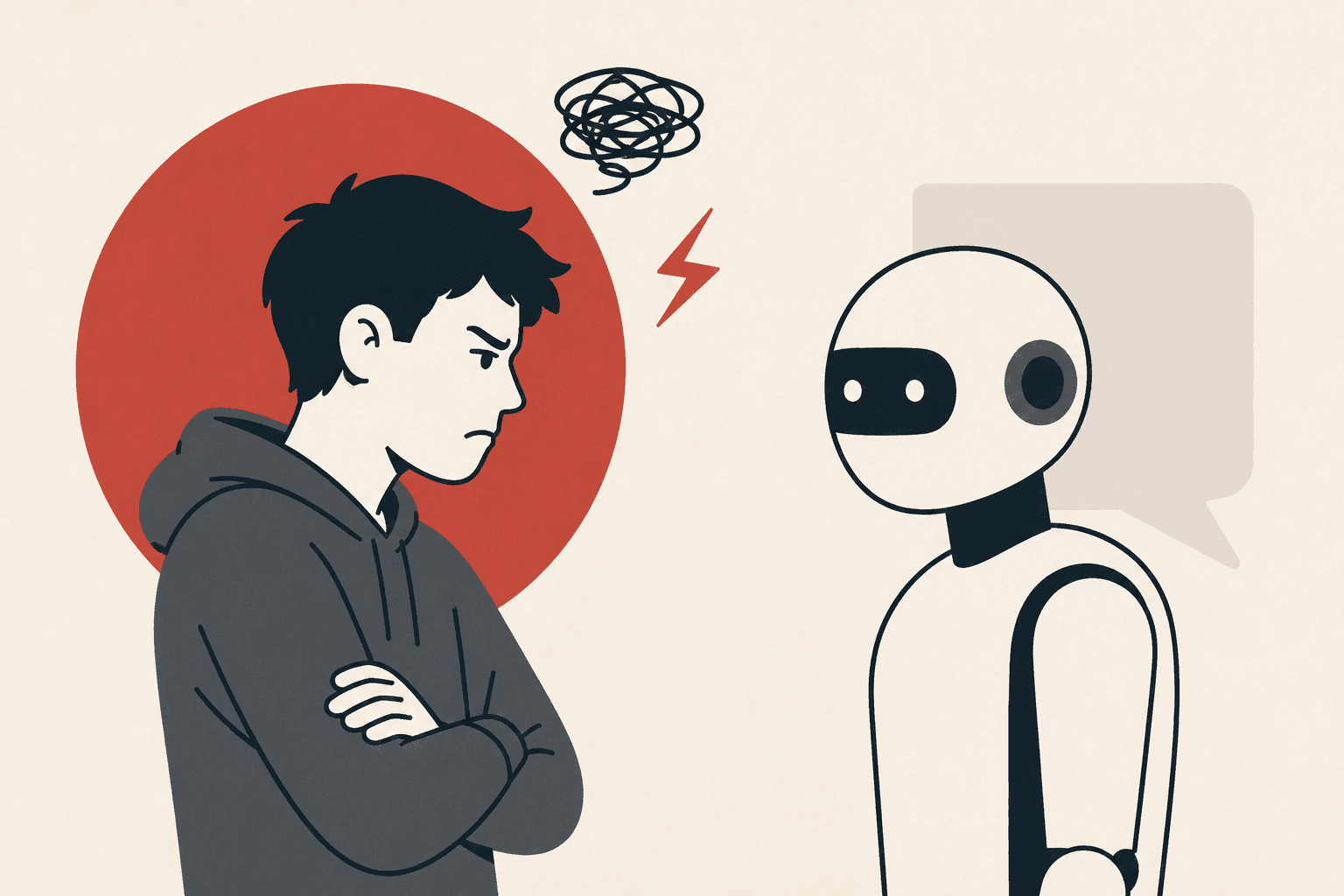
Gen Z, once expected to be propelled by artificial intelligence, is increasingly expressing anxiety and backlash as AI becomes more embedded in everyday life. Over the past three years, the rapid rise of large language models such as ChatGPT and Gemini has fueled an AI arms race across the tech sector. AI was widely marketed as a “magic” that would free labor, boost creativity, and create new opportunities—particularly for Gen Z, the digital-native cohort. But the shift is now visible: the more young people interact with AI, the more they report anger and disillusionment.
Data cited from organizations including the Walton Family Foundation and Gallup shows a sharp change in sentiment among people aged 14–29. Enthusiasm for AI fell from 36% to 22%, while anger rose to 31%. The reporting also indicates that daily AI users are the group most likely to feel disillusioned.
The backlash is not attributed to AI becoming obsolete, but to how it is being deployed across education and work. AI is presented as a requirement in settings ranging from lectures to offices, changing how people receive information and complete tasks. Rather than feeling supported, younger users report that their autonomy is being undermined by systems that summarize content instead of encouraging reading and independent thinking.
In universities—particularly in the United Kingdom—AI use has become a new norm. A Higher Education Policy Institute survey in 2026 found that 95% of students use AI in some form to support their studies. While convenience increases, the reported trade-off is emotional emptiness and what the article describes as intellectual hollowing. Some students compare AI use to a “cheat code” in a video game: it can speed up assignment completion while weakening the process of developing critical thinking.
The article also references MIT Media Lab research on “cognitive debt.” It further cites EEG studies suggesting that people who rely on AI to write essays may have weaker neural connections and more difficulty recalling their own content, arguing that reduced effort can lead to signs of intellectual atrophy.
In the labor market, the article says AI is reducing entry-level opportunities. It cites a 2025 British Standards Institution report stating that 41% of corporate executives use AI to cut headcount, and 39% have eliminated low-level roles. The article frames this as a shift that may limit the “learn by doing” pathway for younger workers.
The anger described is not confined to online criticism. The article says it has translated into behaviors such as delaying AI adoption, covert resistance, and sabotage of AI strategies within companies. It also notes that warnings have emerged about limitations of AI when used without human oversight.
The article argues that the response should not be to remove AI, but to restore human agency. It calls for educational institutions to reaffirm the value of “hard thinking” as a core part of identity and capability. For businesses, it suggests designing AI to support apprenticeship models rather than replacing newcomers. Overall, it presents Gen Z’s anger as a signal to reassess AI-driven industrialization and to preserve trust and natural human development.
Premium gym chains are entering a “golden era” that is ending or already in decline, as rising operating costs collide with shifting consumer preferences toward more flexible, community-based ways to exercise. Long-term memberships are shrinking, margins are pressured by higher rents and facility expenses, and competition from smaller, more personalized…