•
•
•
•
•
•
•
•
•
•
•
•
•
•
•
•
•
•
•
•
•
•
•
•
•
•
•
•
•
•
•
•
•


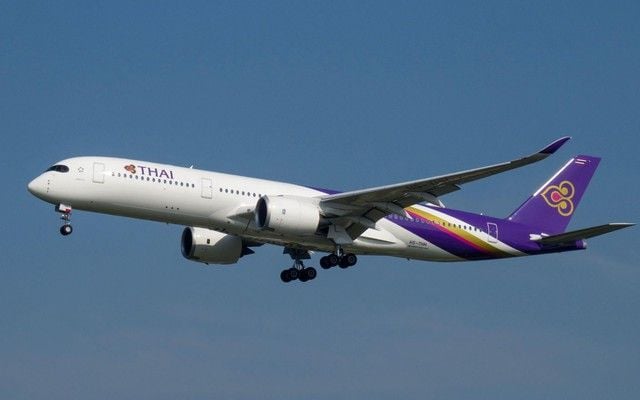
Global aviation is entering one of the most unsettled periods since the Covid-19 pandemic. After a strong rebound in global travel demand in 2024 and 2025, the outlook at the start of summer 2026 has shifted to a defensive stance as airlines cut capacity and respond to a fuel-driven shock.
Cirium, a flight-data analytics unit of RELX, says airlines worldwide trimmed about 2 million seats from May 2026 schedules and canceled or adjusted roughly 13,000 flights. While the changes represent less than 2% of global air capacity, they highlight how quickly the industry reacts to geopolitical and energy disruptions.
The contraction is not limited to one region. Airlines across Europe, North America, and the Middle East are collectively shrinking capacity, tightening schedules, or operating smaller aircraft to reduce fuel use.
The epicenter of the current disruption is the military conflict between Israel and Iran, which intensified in late February 2026. The most acute development is interference with traffic through the Hormuz Strait, a chokepoint that moves about 20% of the world’s oil and jet fuel. This has pushed the global jet-fuel supply chain into strain not seen since the Covid-19 pandemic.
IATA reports that jet-fuel prices in March 2026 rose 106.6% year over year. Fuel typically accounts for 25% to 35% of operating costs, leaving airlines exposed to cost increases that are difficult to fully pass through to passengers.
Allianz Trade notes that international airfares could rise 5% to 15% under the fuel-pressure scenario. The risk of continued energy disruption—if the Middle East conflict persists—could keep operating costs elevated for months.
Carriers are moving quickly to reduce exposure to fuel volatility and avoid loss-making operations. Examples include:
In the United Kingdom, Heathrow Airport reports 111 net cancellations from the schedule, a modest figure but one that reflects the prevailing sentiment across international aviation.
IATA chief Willie Walsh said that while the industry is in better shape than during the 2020 lockdown, today’s fuel-driven shock has become the most significant disruption to global aviation since the pandemic.
Against this backdrop, the sector’s priorities are shifting from growth, fleet expansion, and market share gains toward resilience against geopolitical and energy volatility. The key challenge is no longer growth at all costs, but maintaining stable operations in an increasingly uncertain environment. With skies tightening, summer 2026 could be the harshest test for aviation’s resilience since Covid-19.
Premium gym chains are entering a “golden era” that is ending or already in decline, as rising operating costs collide with shifting consumer preferences toward more flexible, community-based ways to exercise. Long-term memberships are shrinking, margins are pressured by higher rents and facility expenses, and competition from smaller, more personalized…