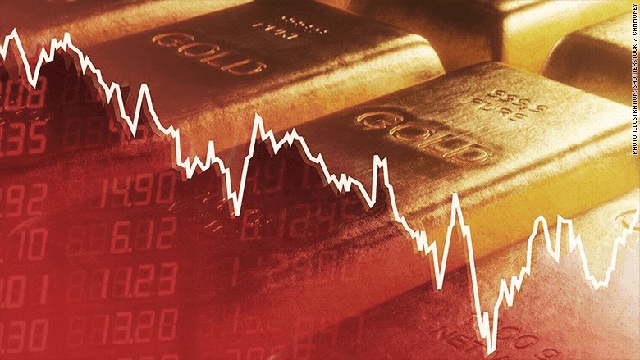
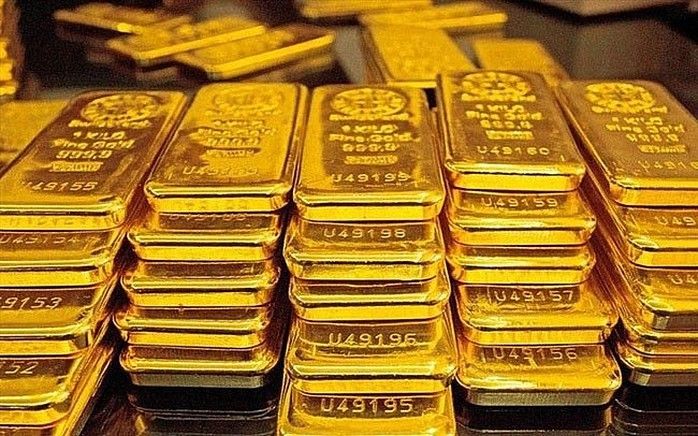
The combination of a stronger US dollar, expectations for higher-for-longer rates, and easing geopolitical tensions is significantly reducing the appeal of safe-haven assets such as
gold.
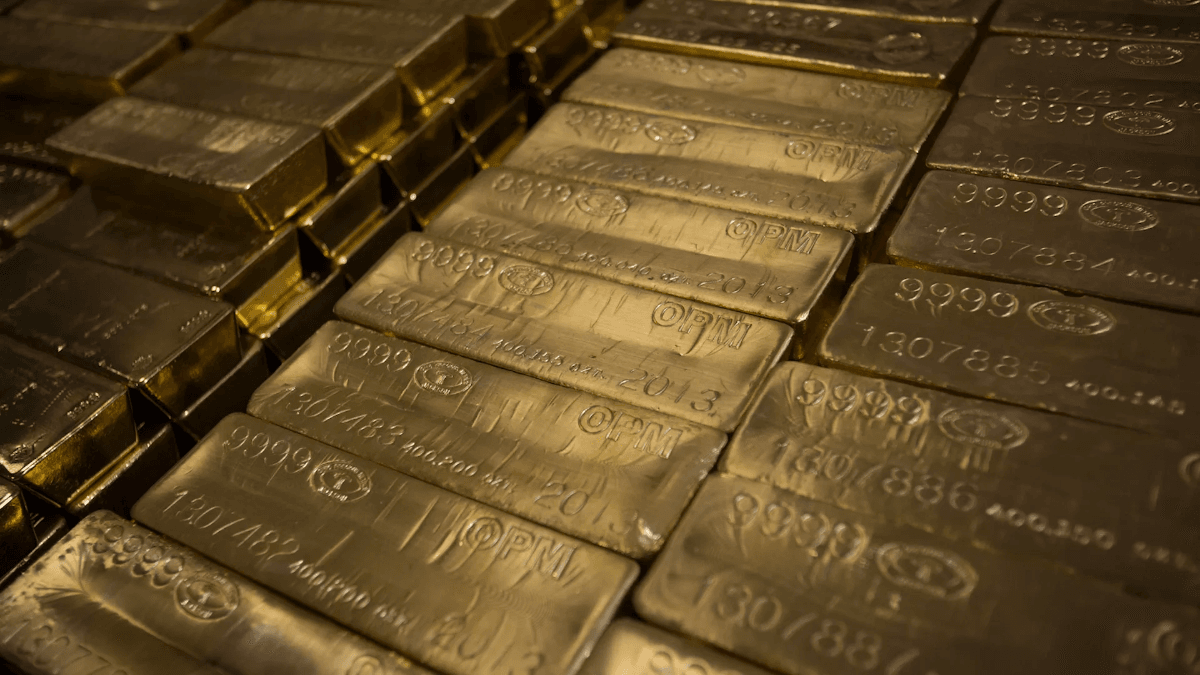
On the evening of June 24, gold prices on the global market fell sharply and slipped below the key 4,000 USD per ounce level. Prices fell as much as $120 per ounce to $3,971 per ounce.
From the year’s near-peak of around $5,600 per ounce earlier this year, gold prices have fallen more than $1,600, about a 29% drop.
According to Kitco News, the precious metal faces pressure as the dollar remains near its highest level of the year, the risk of the Fed continuing to raise rates remains, and the risk premium associated with the Hormuz Strait continues to narrow.
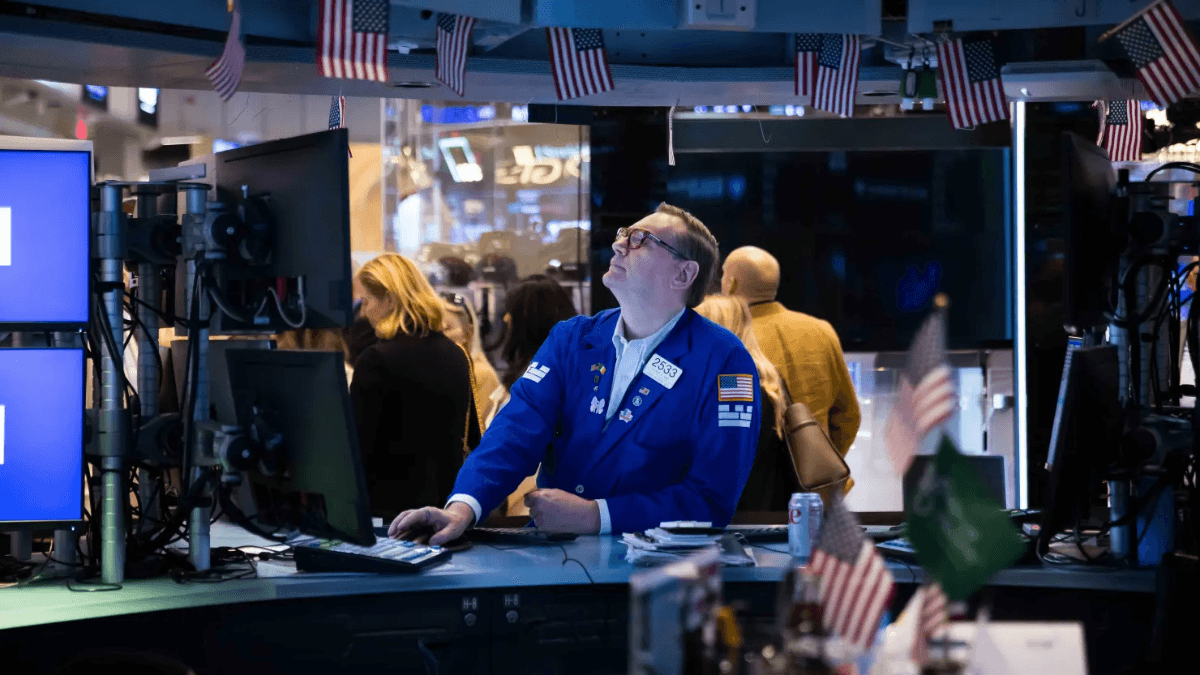
Positioning in the market after the Fed meeting remains the biggest near-term negative factor for the precious metal. Investors no longer view the Fed as a source of near-term monetary policy easing, and instead focus on the combination of robust US data, a stronger dollar, and high real interest rates.
Typically, gold and silver face pressure when rates rise because they are non-yielding assets, raising the opportunity cost of holding them.
Traffic through the northern and southern routes of the Hormuz Strait is increasing, though the central shipping lane remains mined. Iran has agreed not to charge transit fees for 60 days, while Tehran and Washington remain at odds over control and future fee mechanisms.
The current impact of these developments is deflationary to a degree. Crude oil prices are falling, energy-driven inflation pressures are easing, and demand for gold as a safe-haven is waning.
For silver, the negative impact may be even larger. Lower oil prices and a cooling of risk premia for industrial activity are weighing on the metal’s cyclicality, while a stronger USD continues to weigh on investment demand.
The USD Index continued to rise after testing a new high for 2026 above 101 in trading sessions. Meanwhile, the 10-year US Treasury yield hovered around 4%, reflecting expectations that rates will stay high for longer.
Overall, the combination of a strong USD, the prospect of higher-for-longer rates, and easing geopolitical tensions is significantly diminishing the appeal of safe-haven assets such as gold and silver in the near term.