•
•
•
•
•
•
•
•
•
•
•
•
•
•
•
•
•
•
•
•
•
•
•
•
•
•
•
•
•
•
•
•
•


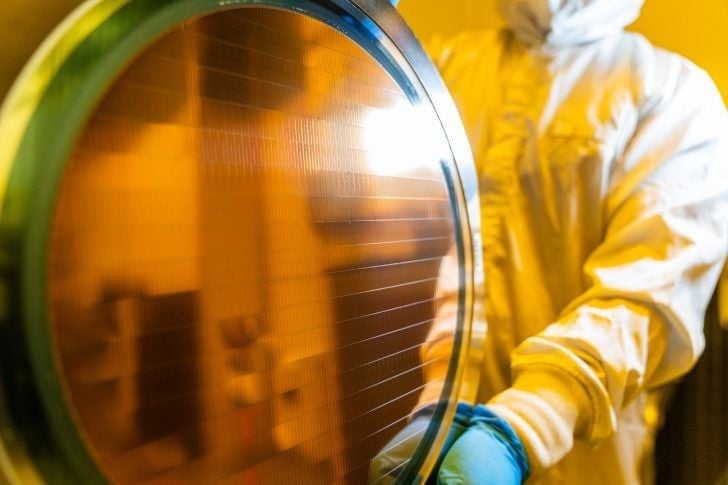
Google’s next-generation AI chips will be packaged using Intel Foundry’s EMIB technology for TPUv8e, with the back-end handled by MediaTek and an expected launch in Q4 2027. Google’s next-generation AI chips will use Intel Foundry’s EMIB packaging technology for TPUv8e. EMIB, short for embedded multi-die interconnect bridge, connects multiple discrete chips through embedded interconnects in the package, enabling high-speed data transfer between compute blocks without fusing everything into a single chip. Compared with CoWoS, EMIB is regarded as more flexible, cheaper, and easier to scale. In the planned TPUv8e configuration, the main compute cores will be designed and manufactured by Google, while the IO/interconnect and back-end design will be handled by MediaTek. This is a specialized division of labor, different from the traditional approach where a single unit is responsible for the entire chip design. For the TPUv8p line, Google will continue to work with Broadcom for compute, interconnect, and back-end, and will continue to use TSMC’s CoWoS/SoCI packaging. Roadmap and market expectations. Both TPUv8e and TPUv8p are expected to debut in Q4 2027. The next-generation codename Humufish is projected to reach 3.5 million units by end-2028. Intel has said it will not proactively disclose customer names and will let partners announce products. As demand for AI infrastructure stays strong, tech companies are diversifying their supply chains and Intel Foundry is becoming an increasingly trusted alternative.





Premium gym chains are entering a “golden era” that is ending or already in decline, as rising operating costs collide with shifting consumer preferences toward more flexible, community-based ways to exercise. Long-term memberships are shrinking, margins are pressured by higher rents and facility expenses, and competition from smaller, more personalized…




