•
•
•
•
•
•
•
•
•
•
•
•
•
•
•
•
•
•
•
•
•
•
•
•
•
•
•
•
•
•
•
•
•


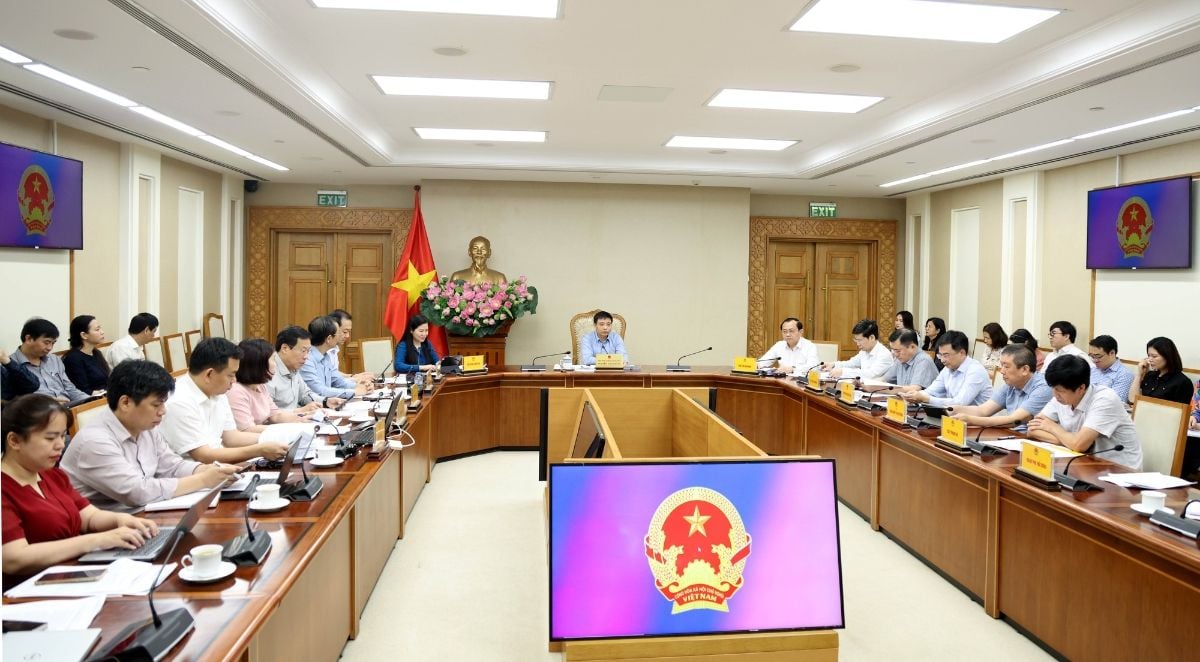
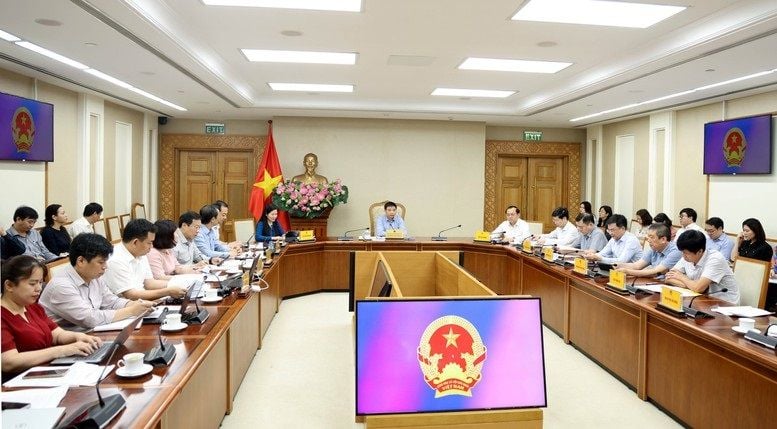
On 23 April, Deputy Prime Minister Nguyen Van Thang chaired a meeting of the Price Management Steering Committee at the Government Office to review results of price management in the first quarter of 2026 and set tasks for the remaining months of the year.
In his opening remarks, the Deputy Prime Minister said the international environment remains complex, creating strong pressure on domestic prices and raising the risk of “imported inflation.” He asked ministries and agencies to assess both factors with sharp fluctuations—such as fuel prices and construction materials—and factors expected to affect prices in the near term, including the planned adjustment of the base salary from 1 July 2026, to develop appropriate price-management scenarios.
Deputy Minister of Finance Le Tan Can reported that in Q1 2026 the global economy grew slowly, while risks increased due to geopolitical tensions, energy developments, and global financial volatility. He noted that the conflict in the Middle East disrupted key shipping routes, leading to oil price shocks and higher logistics costs.
Inflation figures shared at the meeting showed CPI growth of 0.05% in January 2026, 1.14% in February, and 1.23% in March. On average, Q1 2026 CPI increased by 3.51% year-on-year, while core inflation rose 3.63%.
To stabilize the macroeconomy, the Government continued implementing measures including a further 2% reduction in value-added tax, waiving or reducing 47 fees and charges through end-2026, and allocating an additional 8 trillion VND to the state budget to advance to the Fuel Stabilization Fund.
Given the sharp rise in fuel prices from March 2026, the Ministry of Finance developed three inflation scenarios for 2026, with projected increases of about 4.5%, 5%, and 5.5%. The State Bank of Vietnam forecast average inflation of about 4.5%–5.5%, while international organizations estimated 3.8%–4.9%.
Ministries reported on upcoming measures to manage prices:
Some government-controlled-price items continue to be adjusted to support citizens, including waiving tuition for students from pre-school through public high school, reducing textbook prices, and reducing pilotage service fees for Vietnamese ships.
Concluding the meeting, Deputy Prime Minister Nguyen Van Thang said price-management efforts in Q1 2026 met targets despite multiple adverse factors, and he acknowledged the proactive stance of the Ministry of Finance and other ministries.
For the period ahead, he asked ministries and agencies to continue price management proactively and flexibly, strengthen monitoring and analysis of supply-demand and prices of essential goods—especially in sectors directly affected by fuel costs such as transport, logistics, construction materials, and food—and require enterprises to strictly declare and publish prices as required.
He also called for tighter inspection and monitoring to address speculative and hoarding behavior, and for close control of fuel trading activities in border areas to prevent profiteering from price differentials.
In addition, the Deputy Prime Minister requested intensified information and communication to ensure transparency in price movements and government actions, and asked ministries and localities to issue price-setting documents within their authority while monitoring market developments to apply appropriate price-management measures.
For goods subject to government price adjustments, agencies were instructed to review cost factors carefully, assess impacts on price levels, and consider the timing and degree of adjustments to stabilize the market and control inflation.
He directed the Ministry of Industry and Trade to ensure fuel supply, diversify sources, and strengthen reserves; the Ministry of Agriculture and Environment to closely monitor agricultural markets to maintain supply-demand balance; and the Ministry of Construction to control construction material prices and address hoarding and price manipulation.
Finally, ministries, sectors, and localities were urged to increase market surveillance of real estate, tourism, healthcare, and other essential goods to ensure adequate supply at reasonable prices, supporting macroeconomic stabilization in 2026.




Premium gym chains are entering a “golden era” that is ending or already in decline, as rising operating costs collide with shifting consumer preferences toward more flexible, community-based ways to exercise. Long-term memberships are shrinking, margins are pressured by higher rents and facility expenses, and competition from smaller, more personalized…