•
•
•
•
•
•
•
•
•
•
•
•
•
•
•
•
•
•
•
•
•
•
•
•
•
•
•
•
•
•
•
•
•


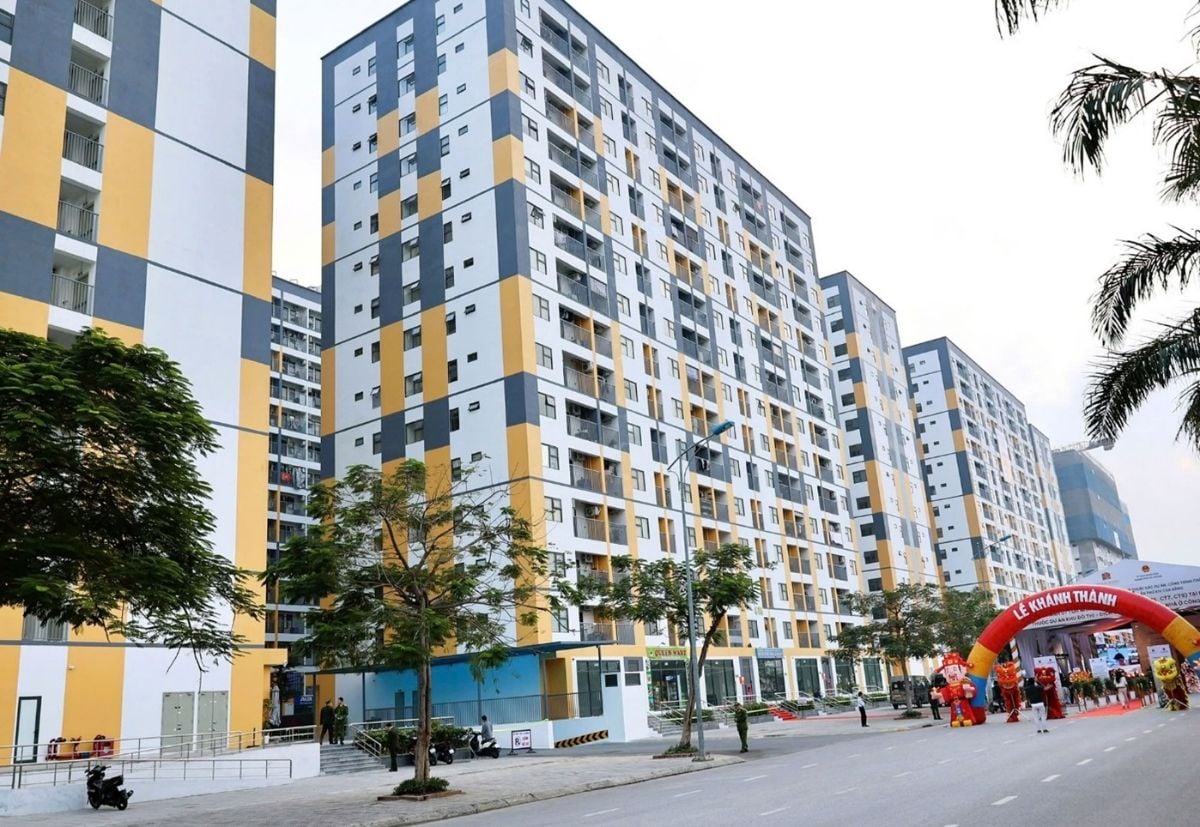
Hai Phong City has issued Decision 1741/QD-UBND adjusting the city’s housing development program for 2021-2030, with an emphasis on ensuring coherence between growth engines and other districts. The housing plan will be linked to the adjustment of the city’s 2021-2030 planning orientation with a vision to 2050.
By 2030, Hai Phong targets an average housing floor area of 37.17 square meters per person across the city. The target is 38.95 sqm in urban areas and 33.01 sqm in rural areas. The minimum average floor area target is set at 12 sqm per person.
In total scale, the city targets 203,691,600 sqm of housing floor area by 2030, including a cumulative increase of 98,273,905 sqm during 2021-2030. Of the increase, the commercial housing segment is expected to contribute 42,979,750 sqm.
The program also strengthens social housing. During 2021-2030, Hai Phong plans to add 5,096,811 sqm (about 72,812 units) to address housing needs for low-income earners and workers.
For the 2026-2030 period, the city aims to complete 56,133 social housing units with a floor area of 4,096,371 sqm. For self-built housing by households and individuals, an additional 50,197,344 sqm is expected.
To implement the program, Hai Phong projects funding requirements of about 930,758 million VND and reserves 187.5 hectares of land for social housing.
The decision outlines eight cross-cutting groups of measures:
For developers, the city requires strict adherence to planning, ensuring sufficient funds and project progress, and full reporting of project information. Commune-level authorities are responsible for on-ground implementation, including coordinating the planning of social housing and cohesive urban districts.

Premium gym chains are entering a “golden era” that is ending or already in decline, as rising operating costs collide with shifting consumer preferences toward more flexible, community-based ways to exercise. Long-term memberships are shrinking, margins are pressured by higher rents and facility expenses, and competition from smaller, more personalized…