•
•
•
•
•
•
•
•
•
•
•
•
•
•
•
•
•
•
•
•
•
•
•
•
•
•
•
•
•
•
•
•
•


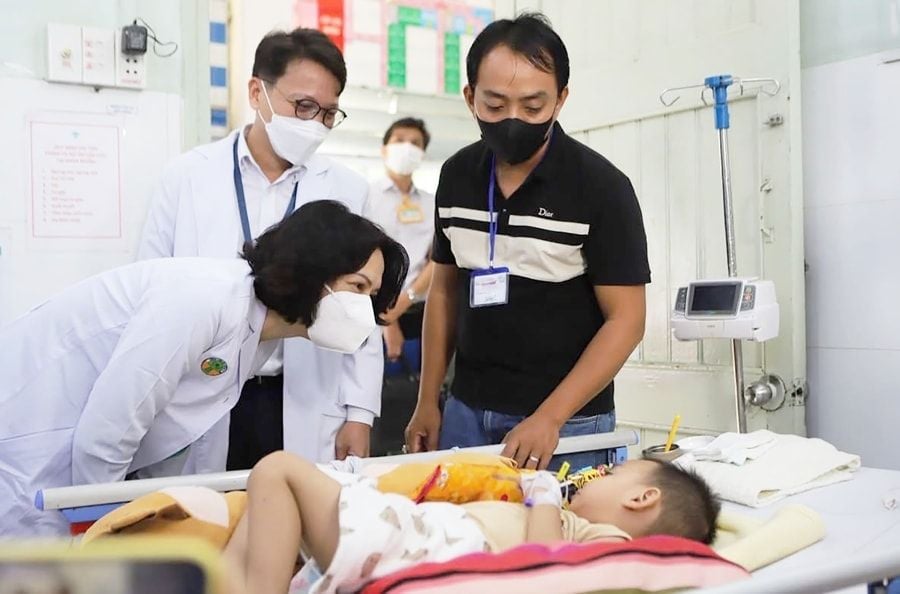
With about 26,000 hand, foot and mouth disease cases and 8 deaths nationwide from the start of 2026 to date, the Ministry of Health warns that if comprehensive preventive measures are not implemented, the number of infections and severe cases could continue to rise. From epidemiological surveillance, most cases are concentrated among young children, especially those in nurseries and kindergartens. In the coming period, without coordinated prevention and control measures, the number of infections and severe cases may continue to rise, according to Mr. Son. According to surveillance data from the start of 2026 to date, the country has recorded about 26,000 infections and 8 deaths. In March 2026, the weekly average of infections increased compared to February. Laboratory results for some samples show the circulating EV71 strain with a notable rate. This strain is often associated with a higher risk of progression to severe disease; therefore, the health sector is closely monitoring to implement appropriate countermeasures. Mr. Son stated that several factors have contributed to the rise of hand, foot and mouth disease recently. First, early hot and humid weather creates favorable conditions for the pathogens. In addition, the circulation of the EV71 strain increases the risk of severe cases. Furthermore, the disease mostly affects young children, especially those under 5 years old, a group that has not yet developed adequate personal hygiene awareness and often gathers in daycare centers and kindergartens, increasing the transmission risk. If children are not detected early and kept out of school promptly, the disease could spread in classrooms and in the community, the head of the Prevention Department said. In this context, the health sector is currently coordinating via multiple channels to detect cases early, including reports from clinics and hospitals and alert information from the community and schools. The emphasis is on strengthening communication to teachers and parents about recognizing symptoms, and instructing on personal hygiene, classroom hygiene, toys, and frequently touched surfaces; ensuring classrooms are clean, well-ventilated, and adequately lit. Educational institutions should closely monitor children’s health, promptly detect suspected cases, inform families and health facilities for appropriate management, and ensure timely intervention to limit spread. The cooperation among schools, families, and the health sector is crucial to limiting the disease spread. In treatment facilities, patients showing signs of deterioration are closely monitored and receive professional support from higher levels to provide timely emergency care and minimize mortality. Hand, foot and mouth disease is an acute viral infection transmitted via the digestive tract, commonly affecting children and capable of rapid spread. Therefore, to actively prevent disease, health authorities advise parents to regularly monitor their children’s health, especially those under 5. If a child shows symptoms such as fever, mouth ulcers, or rashes on the hands, feet, or buttocks, they should be taken to a health facility for examination and care. Infected children should stay home to prevent spreading to others. Additionally, schools should strengthen cleaning of classrooms, toys, and frequently touched items, monitor children's health, and coordinate closely with parents and health facilities to promptly detect and manage suspected cases.
Premium gym chains are entering a “golden era” that is ending or already in decline, as rising operating costs collide with shifting consumer preferences toward more flexible, community-based ways to exercise. Long-term memberships are shrinking, margins are pressured by higher rents and facility expenses, and competition from smaller, more personalized…