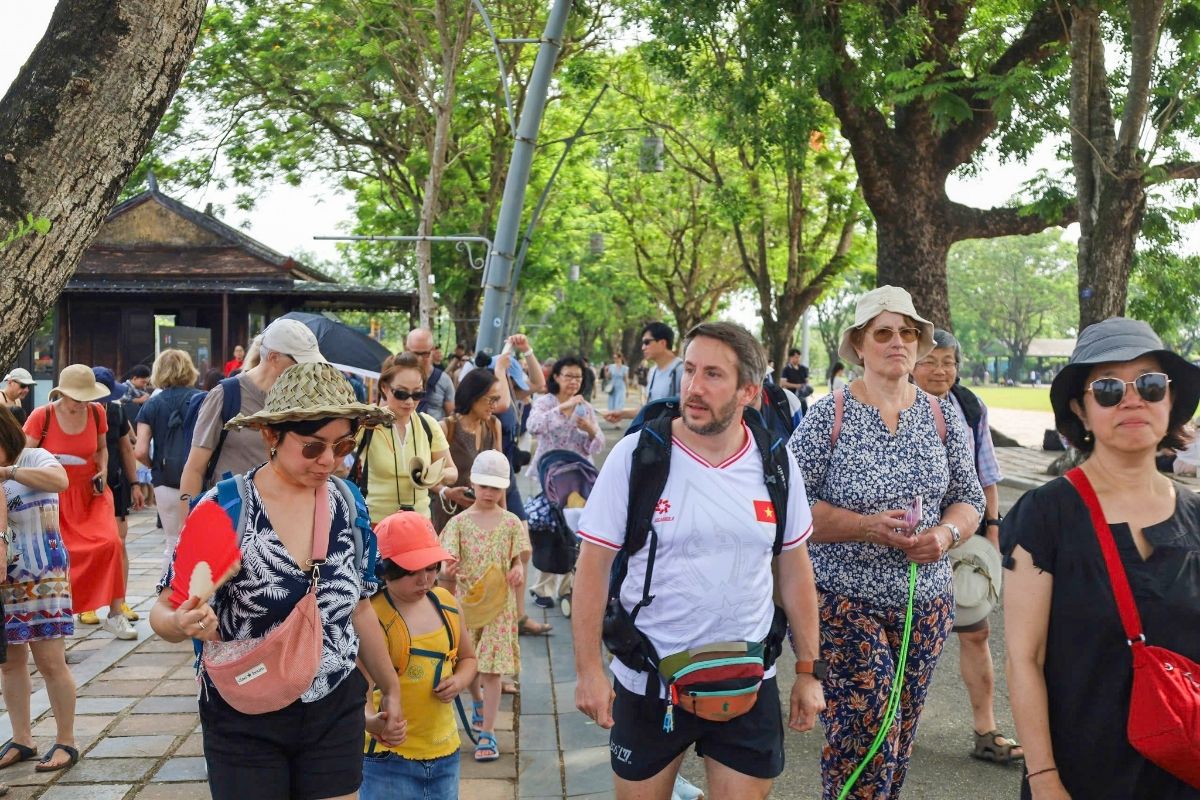
Hanoi is increasingly standing out among Southeast Asia’s well-known destinations, drawing growing numbers of international visitors as its tourism model shifts from rapid growth to a more structured development phase focused on market thinking, experiences, and service quality.
One of the key changes is product development. Rather than centering on sightseeing alone, Hanoi is expanding experiential product lines linked to heritage, culture, cuisine, night tourism, agritourism, and community-based tourism.
Hanoi’s Department of Tourism Director Dang Huong Giang said the industry aims to build linked chains among management authorities, associations, airlines, travel firms, accommodations, transport units, and destinations to ensure coherence in product development. She added that connecting the service ecosystem helps Hanoi reach different visitor segments, including domestic travelers, official travelers, and international long-stay visitors.
Deputy Director Tran Trung Hieu said Hanoi’s international visitor market structure is becoming more diverse. In addition to traditional markets such as Northeast Asia and ASEAN, Hanoi is expanding outreach to Europe, the Americas, the Middle East, and Australia, as well as potential markets including India and Halal-friendly Muslim-majority countries.
While international visitor growth remains strong, Hanoi has not yet fully matched its potential in terms of length of stay and average spending. The city also faces gaps in systematizing some premium products, night-tourism offerings, and deeper experiences, which it is prioritizing for the next period.
In this context, Hanoi’s Night Economy Development Plan through 2045 was approved. The plan is expected to drive new growth and position the city as the “Night-time Cultural Experience City” for the region.
By 2035, the night economy is expected to become one of the urban economy’s key drivers, contributing about 7–8% of GRDP, with an average annual growth rate of 12–14%.
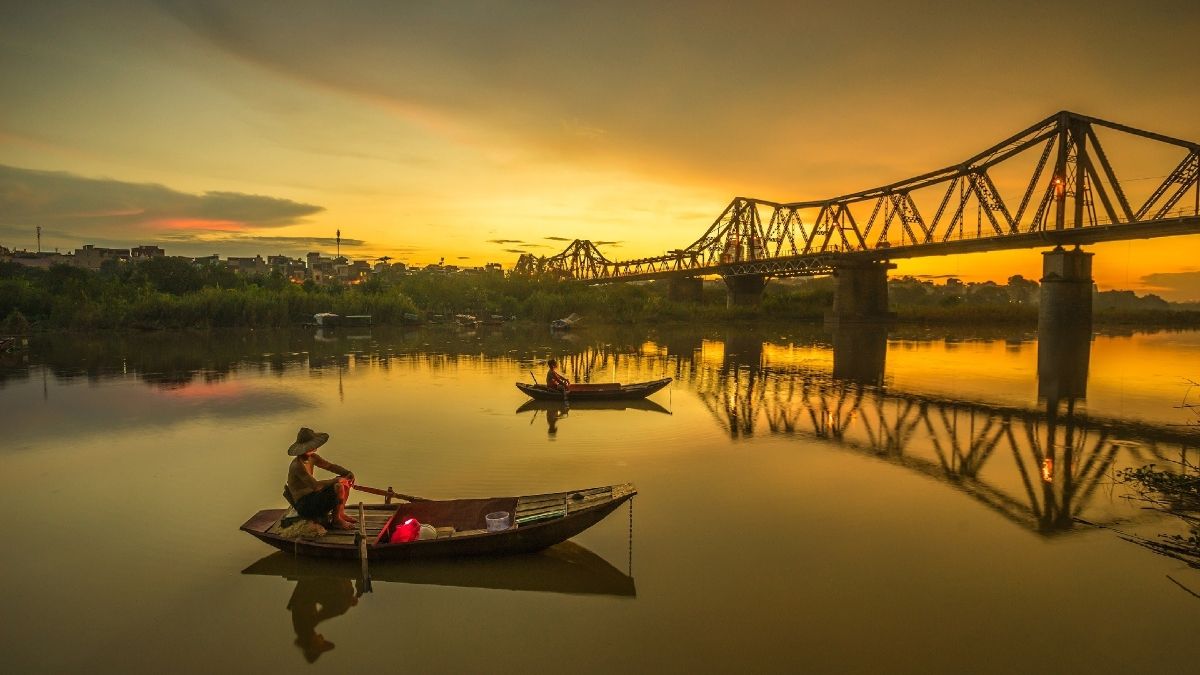
The plan also targets the Red River axis as a dynamic creative economy hub, bringing together high-value cultural, artistic, and commercial activities. Hanoi aims to form 6–8 key night economy zones and 15–20 spaces or streets operating after 24 hours, with at least three zones meeting regional standards for cultural experience and night tourism.
A highlight of the plan is the Hanoi Cultural-Artisan–Trade Center on the Red River axis, expected to be completed by 2030. The city also plans a night river cruise service from Long Bien Bridge to the river’s middle, with the direction to use night cruises not only for sightseeing but also to integrate artistic performances, culinary spaces, cultural experiences, and urban lighting to extend visitors’ stays.
Hanoi’s Department of Tourism has shifted from relying solely on media campaigns to direct engagement with foreign tour operators to experience products and services firsthand. In May, it coordinated with BestPrice Travel and Hanoi Tourism JSC to host two international fam-trips from Australia and Japan.
The Australian group includes six leading outbound tour operators. It will survey Hanoi from May 11–17, 2026, with experiences in Hanoi on May 11, 12, and 17.
The Japanese group includes more than 20 travel industry leaders from Tokyo, Osaka, Fukuoka, Kansai, Hyogo, and other locations. It will survey Hanoi from May 27–29, 2026.
A key feature of the fam-trips is organizational thinking that presents Hanoi as part of a regional chain rather than a standalone destination, with the goal of extending stays and enhancing experiences for international visitors.
For the Japanese delegation, a five-day, four-night itinerary through Hanoi, Ninh Binh, and Ha Long centers Hanoi as a connecting hub. For Australia, a seven-day itinerary is designed to connect Hanoi, Ninh Binh, Quang Ninh, and Yen Tu. BestPrice Travel said the groups will directly experience iconic Northern Vietnamese destinations and fine-dining, along with wellness experiences tailored to Australian tastes.
Overall, Hanoi is expanding experiential product lines tied to heritage, culture, and cuisine, while also broadening international market outreach. The city’s approach is aimed at creating multi-layered appeal through quality, depth, and sustainable competitiveness.