•
•
•
•
•
•
•
•
•
•
•
•
•
•
•
•
•
•
•
•
•
•
•
•
•
•
•
•
•
•
•
•
•


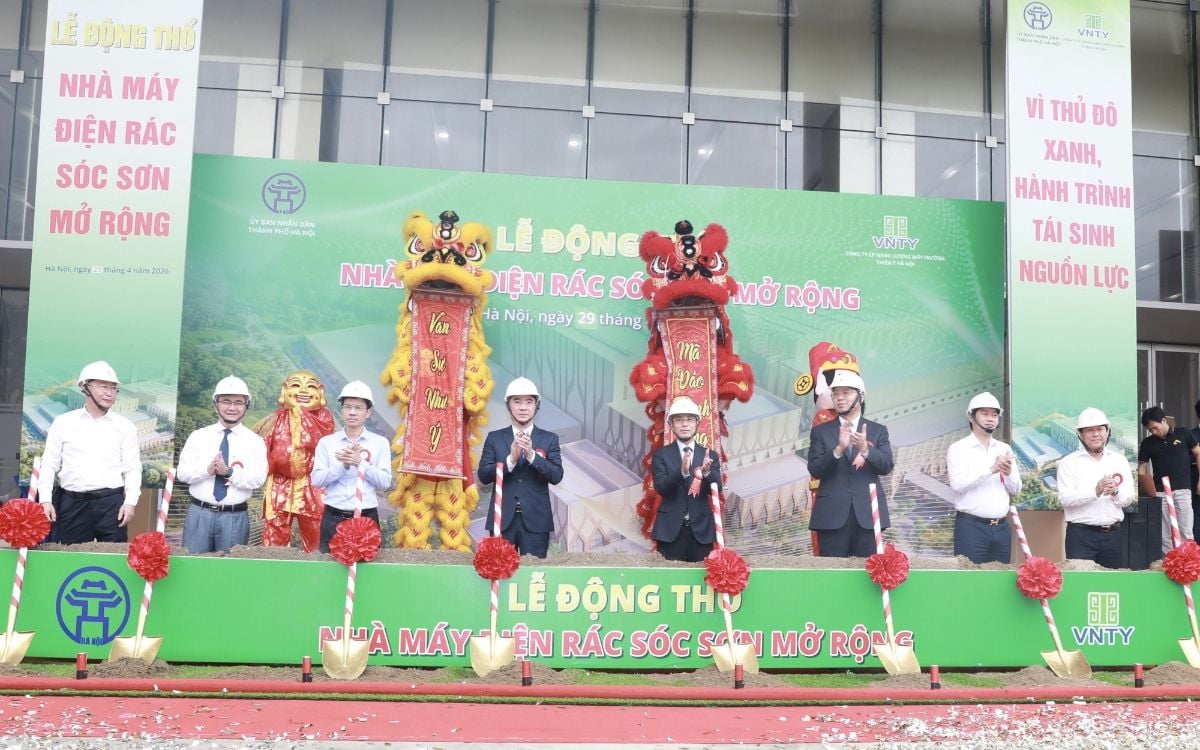
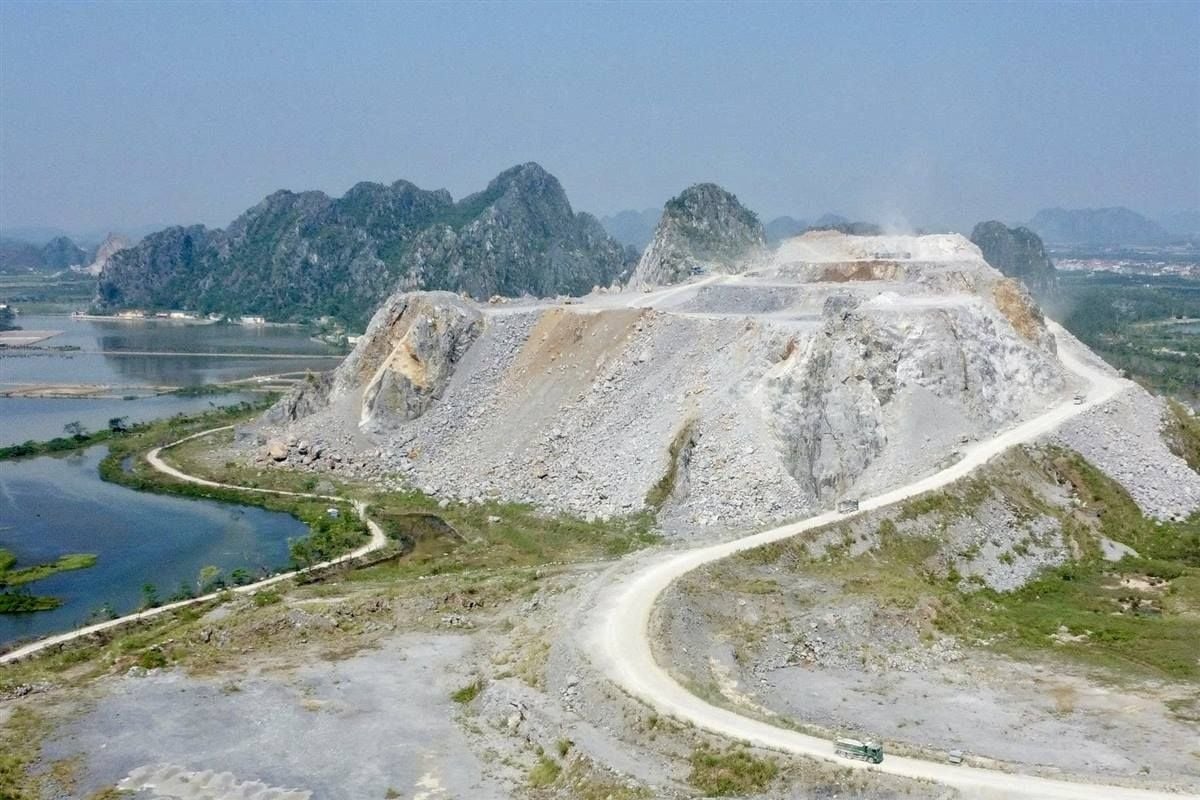
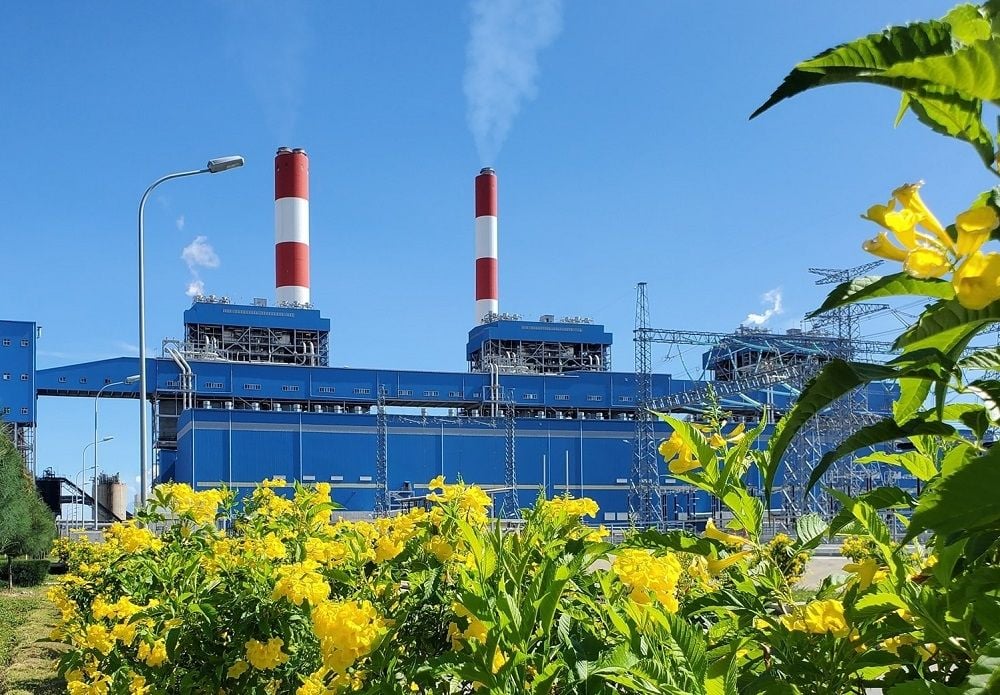
On the morning of April 29, 2026, the Hanoi People’s Committee held a groundbreaking ceremony for the expanded Sóc Sơn Waste-to-Energy Plant at the Nam Sơn Solid Waste Treatment Complex in Trung Giã commune.
Under Hanoi People’s Committee Decision No. 775/QD-UBND dated February 13, 2026, the Sóc Sơn Waste-to-Energy Plant project was adjusted toward a two-phase investment plan.
Phase 1 is currently operating with a receiving and processing capacity of about 5,000 tons per day and a power generation capacity of 90 MW.
Phase 2 (expansion) is designed to shift the plant’s processing focus to about 1,600 tons of landfilled waste per day, while increasing total power generation capacity to 135 MW. The expansion also includes completing synchronized technical infrastructure and bringing the entire plant into operation in Q4 2027.
The project’s total investment is VND 12,999 billion (over USD 539 million). Of this, the expansion portion accounts for about VND 5,830 billion.
Speaking at the ceremony, Mr. Nguyen Xuan Luu, Vice Chairman of Hanoi’s People’s Committee, said the city is experiencing rapid urbanization and socio-economic development, which has increased environmental protection pressures—particularly the challenge of municipal solid waste management.
He noted that moving from traditional landfilling to modern waste-to-energy incineration is a strategic imperative aligned with Hanoi’s goal of building a “Bright – Green – Clean – Beautiful – Civilized – Modern” city. The expansion project, with a processing capacity of about 1,600 tons per day focused on landfilled waste, reflects the city’s commitment to addressing environmental issues and supporting sustainable development.
Vice Chairman Nguyen Xuan Luu, on behalf of the city leadership, acknowledged and thanked residents of Trung Giã commune for their support, and urged continued cooperation to ensure the project is completed and put into operation for the common good.


Premium gym chains are entering a “golden era” that is ending or already in decline, as rising operating costs collide with shifting consumer preferences toward more flexible, community-based ways to exercise. Long-term memberships are shrinking, margins are pressured by higher rents and facility expenses, and competition from smaller, more personalized…




