•
•
•
•
•
•
•
•
•
•
•
•
•
•
•
•
•
•
•
•
•
•
•
•
•
•
•
•
•
•
•
•
•


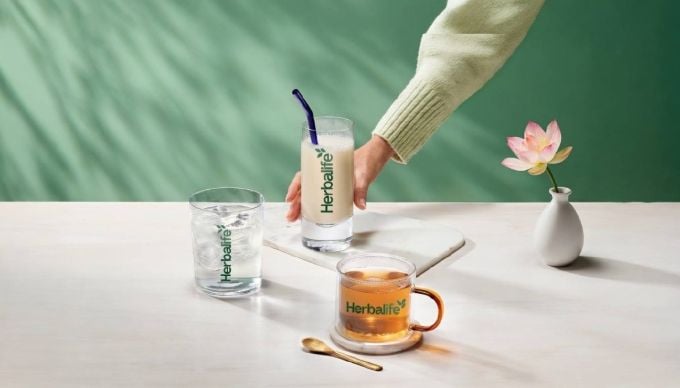
Herbalife ranked 97th on Forbes’ list of the most valuable US brands, placing it among the top 9% of the 3,500 brands evaluated.
The ranking was compiled by Forbes in partnership with HundredX, based on more than 3.8 million consumer ratings across 3,500 brands in over 12 categories. Survey participants selected the brands and products to rate themselves, with no prior prompts to ensure objectivity. The companies did not pay to be considered or selected, and the 300 brands with the highest scores were included.
According to a Herbalife representative, appearing on the ranking reflects the company’s long-term commitment to product innovation, maintaining consumer trust, delivering high-quality products grounded in science, and providing easy access for customers worldwide.
Earlier this year, Herbalife was named to U.S. News & World Report’s “Best Places to Work 2025–2026” list. The selection was based on criteria including workplace environment, employee experience, and career development opportunities.
The company also sponsors more than 150 athletes and teams globally, including Cristiano Ronaldo. In Vietnam, Herbalife participates in community activities such as supporting the VnExpress Marathon and collaborating with the Vietnam Olympic Committee to promote public fitness.
Herbalife was founded in 1980 and provides science-based nutritional products to consumers in more than 90 markets through a network of independent distributors, offering personalized guidance and a community focused on a healthy lifestyle. The company employs about 8,600 people worldwide and has a network of more than 2.1 million Independent Members.
Forbes is an American business magazine known for global rankings of companies, brands, and influential individuals. The “Best US Value Brands” list is compiled annually using consumer surveys to gauge satisfaction and perceived value of brands.






Premium gym chains are entering a “golden era” that is ending or already in decline, as rising operating costs collide with shifting consumer preferences toward more flexible, community-based ways to exercise. Long-term memberships are shrinking, margins are pressured by higher rents and facility expenses, and competition from smaller, more personalized…




