•
•
•
•
•
•
•
•
•
•
•
•
•
•
•
•
•
•
•
•
•
•
•
•
•
•
•
•
•
•
•
•
•


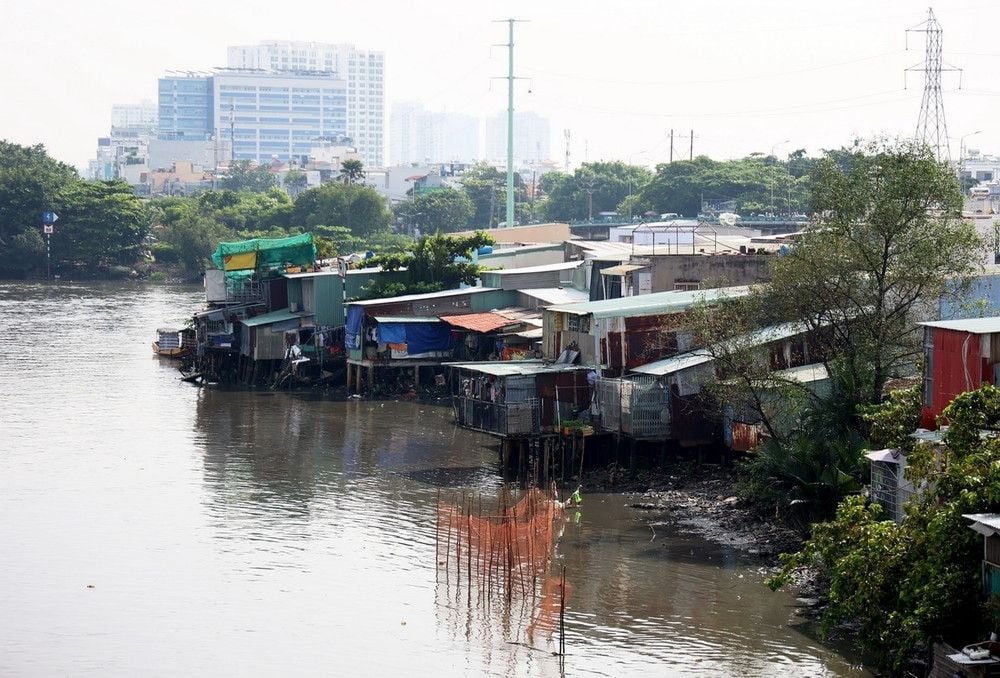
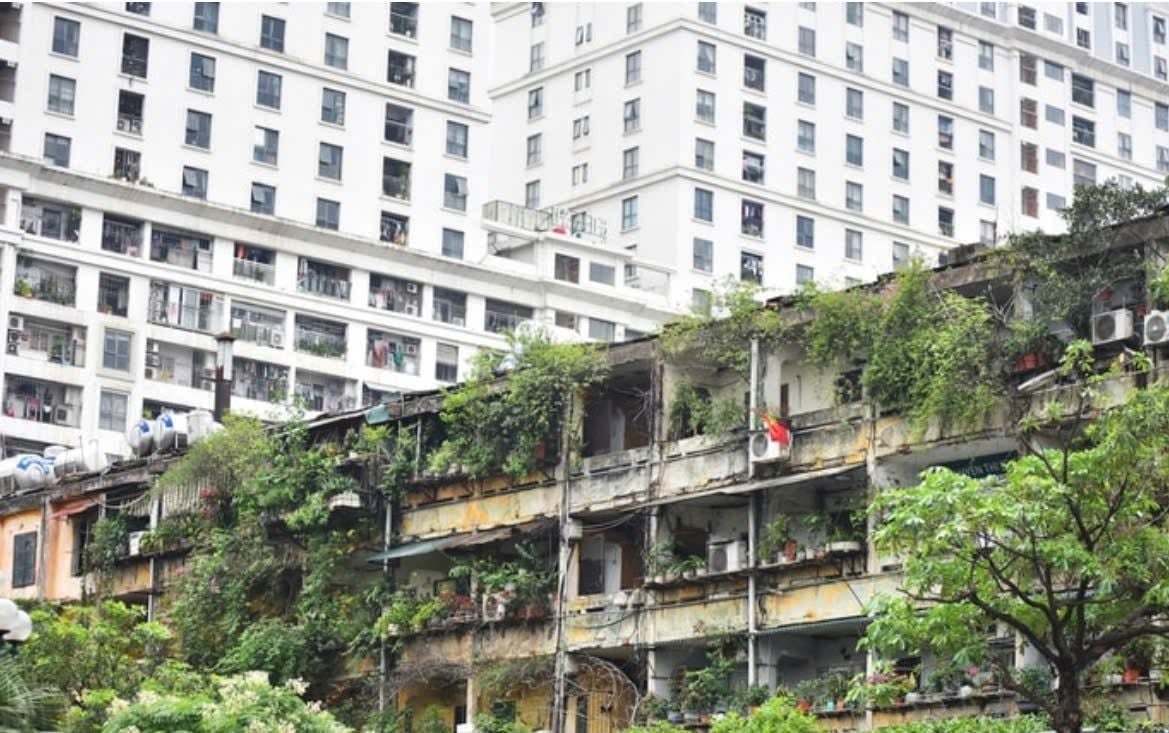
Ho Chi Minh City is accelerating urban renovation and relocation of houses on and along rivers, canals, and streams for the period 2025-2030. At the meeting, Vo Van Minh, Secretary of the Ho Chi Minh City Party Committee and Chairman of the People’s Council, presided over a meeting to hear a report on the progress of implementing the Urban Renovation and Relocation of houses on and along rivers, canals, and streams for the period 2025-2030. At the meeting, the City’s Chairman of the People’s Council emphasized that relocating canal-side houses not only aims to improve living conditions but also serves as a gauge of the leadership capacity of the entire political system. Units were asked to implement according to the principle: who, what, when, and resources clearly defined, moving toward concrete actions to produce tangible results. Mobilizing socialization, ensuring timely resettlement fund According to the direction under development, the City will maximize the use of special mechanisms from Resolution 260/2025/QH15 to solve the relocation of over 20,000 canal-side houses. According to a report by the Department of Construction, 44 projects are planned in this phase, including 40 budget-funded projects and 4 implemented under a public-private socialization model. The total number of houses to be relocated reaches 23,429. The pressure is greatest in wards Chanh Hung, Binh Dong, and Phu Dinh, accounting for more than 65% of the city’s total volume. In the Nha Be area, more than 2,500 canal-side houses need relocation, distributed along more than 33 km of routes such as Cat Kho Canal, Ong Lon Canal, Xom Dinh Canal. Most are temporary houses with weak structures, posing high safety risks, especially as the rainy season approaches. “With strong determination and breakthrough mechanisms for decentralization and mobilization of resources, the city expects the project to wipe out areas with difficult living conditions, gradually building a civilized, modern, and sustainable urban area.” In reality, the long-standing encroachment on canals not only strains the technical infrastructure system and increases environmental pollution but also directly affects residents’ safety, especially in the context of climate change. At the meeting, delegates pointed out major difficulties in implementation, notably legal obstacles related to land and the pressure of investment funds. Facing this, city leaders determined to push decentralization and grant more autonomy to local levels. Thus, the party secretaries of communes and wards will directly lead and direct project implementation; chairmen of People’s Committees at the same level will be fully responsible for progress and quality. This approach is expected to shorten procedures and improve the practicality of compensation and support, especially in hotspots such as District 8 and Nhà Be. The city identifies socialization resources mobilization as an important solution, applying the BT (build-transfer) model to create a timely resettlement housing fund and limit people’s long wait. Additionally, reviewing and utilizing public land to develop social housing on-site is being pushed to reduce land clearance costs and minimize disruption to residents’ lives. Delegates agreed relocation must be linked with ensuring new housing equal to or better than the old. Social housing must be planned with synchronized infrastructure, including transport, electricity and water, schools, and medical facilities. For cases facing legal obstacles, the City will build appropriate support mechanisms to ensure every household can settle permanently. Accelerating infrastructure investment, upgrading canals In the context of the city’s rapid urban transformation and environmental improvement, specific infrastructure projects are being implemented in a coordinated manner, laying the foundation for sustainable development. Recently, the City People’s Committee issued a decision on investment in infrastructure and environmental restoration for Ong Bau canal and Chin Xiang canal. The project, led by the Urban Infrastructure Investment Project Management Board, has a total investment of over VND 2,939 billion from the city budget. The project is implemented in An Nhon ward, with a timeline from 2026 to 2029. Coordinated investment in infrastructure and environmental restoration is expected to relieve the load on the current system, improve regional connectivity, and lay the groundwork for sustainable urban development in the next phase. The project’s objective is to improve drainage capacity, reduce local flooding in canal-adjacent residential areas and along nearby routes, especially in the rainy season. It also aims to improve the environment by addressing pollution from household waste and untreated wastewater discharged directly into canal systems. The plan includes dredging, dredging to improve flow, restoring natural ecosystems, thereby improving the living environment in the area. In addition, the drainage network along the route will be invested in, including transport, drainage, lighting, and greenery. In the Ong Bau canal area, the project includes a 380 m long section with two segments connected to the Tham Luong - Ben Cat - Nuoc Len canal system and nearby routes. The canal will be dredged with a width of 6-23 m, reinforced concrete embankments, sidewalks, and accompanying infrastructure. Drainage, wastewater management, green spaces, and lighting will be invested. For Chin Xiang canal, total renovation length is about 890 m, divided into three segments, including dredging, embankment, and completion of drainage system. The project also builds two traffic routes, a reinforced concrete bridge, and accompanying infrastructure. In addition, large green park areas will be located along the route, improving urban space and living quality for residents. Previously, in January 2026, the City approved Component 1 of the Văn Thánh Canal dredging project in Thanh My Tay ward, with total investment of over VND 1,743 billion from the city budget, planned for 2025-2030. The investment aims to upgrade urban appearance, improve the Văn Thánh canal environment; increase water storage capacity, drainage, and reduce flooding; and combine with transport infrastructure and green spaces to boost urban development and living standards for residents in the project area. Ho Chi Minh City and Hanoi among the world’s fastest-growing urban areas
Premium gym chains are entering a “golden era” that is ending or already in decline, as rising operating costs collide with shifting consumer preferences toward more flexible, community-based ways to exercise. Long-term memberships are shrinking, margins are pressured by higher rents and facility expenses, and competition from smaller, more personalized…