•
•
•
•
•
•
•
•
•
•
•
•
•
•
•
•
•
•
•
•
•
•
•
•
•
•
•
•
•
•
•
•
•


After dozens of students at Dang Thuy Tran Primary School were hospitalized with suspected food poisoning, the Ho Chi Minh City Department of Food Safety said hot weather, inadequate storage and processing, and the large-scale nature of mass-canteen operations remain key risk factors for such incidents.
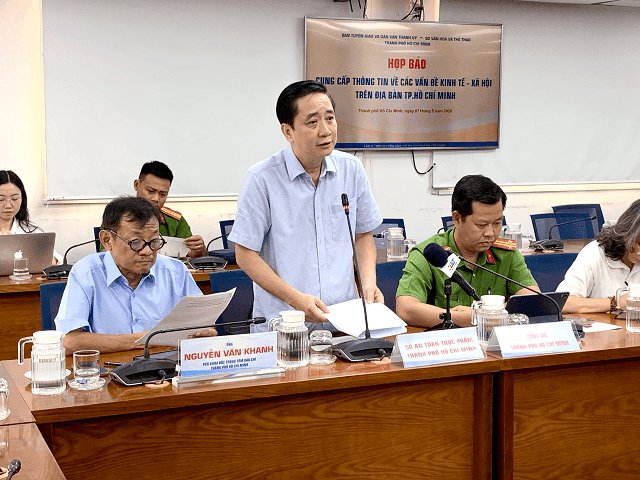
At a press briefing on the city’s economy and society on May 7, Le Minh Hai, Deputy Director of the department, said authorities are still investigating the suspected poisoning that occurred after a meal on April 24 at Dang Thùy Trâm Primary School in Tan Thuan Ward.
According to the Ho Chi Minh City Department of Health, from April 25–27 hospitals in the area reported 25 cases of digestive symptoms, including abdominal pain, diarrhea, and vomiting, with some cases accompanied by fever. Of the total, 23 were students and 2 were staff members. One student experienced shock and required ventilation, but recovered after intensive treatment.
Authorities said initial investigations identified about 1,300 people connected to the meal. The food safety authorities inspected the meal provider, collected food samples, tested clinical specimens, and reviewed the preparation process to trace the cause.
The Department of Food Safety has not yet concluded which unit caused the poisoning, citing the need for more time to compare laboratory results, assess health impacts, and determine related factors.
Responding to questions about why school food poisoning continues to occur, Mr. Hai said the risk persists if raw materials, processing, or storage are not strictly controlled.
“Food poisoning will certainly occur if we cannot assess the risk, avoid unsafe food sources, or fail to follow food safety principles,” he said.
The department said schools, industrial zones, and street-food vendors are currently the three high-risk groups because they serve large numbers of people in short periods. It added that prolonged hot weather increases risk across storage, transport, and distribution of meals.
From recent incidents, Mr. Hai assessed that processing and storage are the weakest links in terms of risk. He said the choice of input ingredients and storage conditions also significantly affect meal safety.
Representatives from the Food Safety Authority said Ho Chi Minh City has long classified school canteens and industrial catering as high-priority monitoring areas due to the potential for wide impact if incidents occur. Meal providers are inspected twice a year—typically at the start of each term—to review cooking, storage, and kitchen operations after long breaks.
While some firms have argued that the inspection frequency is high, the city said it maintains the approach because these are high-risk groups requiring close monitoring.
In addition to inspections, Ho Chi Minh City has launched training programs and guidance on safe cooking processes and traceability of ingredients for meal providers. The department said 317 enterprises have signed commitments to provide safe meals in the area.
Mr. Hai also said that after administrative boundary expansion, the workload of the food safety sector has risen significantly while staffing has fallen by about 10%. To meet management needs, the city has divided the area into 12 subregions and is increasing coordination with wards, communes, and related agencies.
“We cannot do this alone; we must mobilize all units to participate in supervision and prevention,” he said.
Premium gym chains are entering a “golden era” that is ending or already in decline, as rising operating costs collide with shifting consumer preferences toward more flexible, community-based ways to exercise. Long-term memberships are shrinking, margins are pressured by higher rents and facility expenses, and competition from smaller, more personalized…