•
•
•
•
•
•
•
•
•
•
•
•
•
•
•
•
•
•
•
•
•
•
•
•
•
•
•
•
•
•
•
•
•


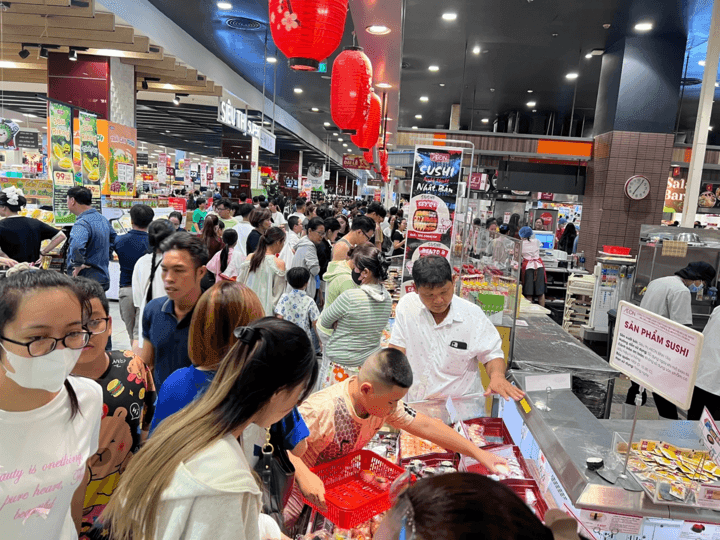
Ho Chi Minh City sets growth targets for each department, sector, and locality, tied to clear reward and disciplinary mechanisms; the leaders of each agency are fully responsible for the results. The results will also serve as the main criterion for evaluating and ranking civil servants, public employees, and workers. During 2026-2030, the city’s economy is expected to grow at about 10% per year, aiming for a GRDP of about $200 billion by 2030. (Photo: H.Linh) The directive states that in the context of Ho Chi Minh City entering a new development phase with an expanded open economy and the requirement for faster, more sustainable growth, achieving double-digit growth is not only a development objective but also a particularly important political task. To achieve the target, the city must continue to innovate its development thinking; promote a spirit of thinking boldly, taking action, and taking responsibility. At the same time, it must mobilize and efficiently use all resources to create noticeable, substantive improvements in economic development. Ho Chi Minh City has identified that in 2026-2030 growth should be at least 10%; by 2030 GRDP is expected to be around $200 billion, with per capita GRDP above $14,000. The City’s Party Committee and the People’s Committee should promptly issue a comprehensive plan to implement this directive and concretize the two-digit growth target for 2026-2030 into sector-, field-, and locality-level targets, linked with a clear evaluation, reward, and discipline mechanism. Additionally, the Party Committee and city leaders must clearly identify the sectors and localities that will drive growth, to focus leadership, guidance, and resource allocation; establish a real-time growth management system on a monthly and quarterly basis. New growth drivers for Ho Chi Minh City are technology, innovation, and high-tech sectors (Photo: Intel). The directive also calls for building and operating an international financial center in the city, developing an innovation ecosystem, research and development centers, and startups. Another requirement is to develop high-quality human resources, especially in technology, finance, and urban administration; reform education and training, including vocational training, aligned with labor market needs and business demands, while also developing a high-quality healthcare system to contribute to high value-added health services. The city should ensure social welfare and living standards, maintain national defense and security, and create a stable development environment. The Party Committee requires quarterly reporting to the City’s Standing Committee on progress and proposed solutions. According to Hà Linh. VTC News

Premium gym chains are entering a “golden era” that is ending or already in decline, as rising operating costs collide with shifting consumer preferences toward more flexible, community-based ways to exercise. Long-term memberships are shrinking, margins are pressured by higher rents and facility expenses, and competition from smaller, more personalized…