•
•
•
•
•
•
•
•
•
•
•
•
•
•
•
•
•
•
•
•
•
•
•
•
•
•
•
•
•
•
•
•
•


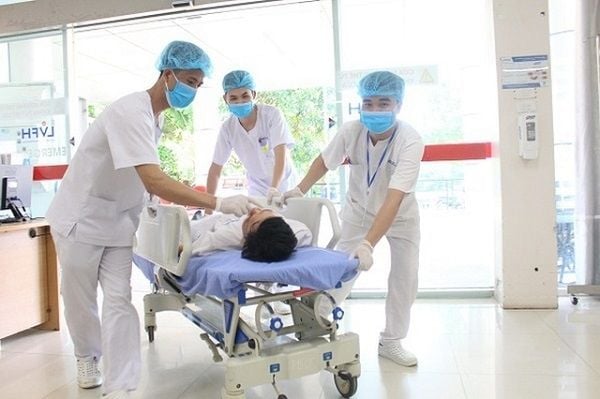
During the 30 April and 1 May 2026 holidays, health facilities nationwide carried out standby arrangements to ensure examination, treatment and emergency care, according to a rapid report from the Department of Medical Examination and Treatment Management (Ministry of Health).
The head of the Department said the preparations followed Prime Minister’s Directive No. 30/CD-TTg on strengthening transportation and ensuring order and safety during the Hung Kings Memorial holiday and the 30/4–1/5 period in 2026. The Ministry of Health then issued a written directive to ensure health examination, treatment and emergency care for traffic accidents during the holiday.
Based on a synthesis of reports from health facilities under the Ministry of Health, universities, medical sectors and 34 provinces and centrally governed cities, all facilities organized four-level standby from 7:00 on 30 April to 7:00 on 1 May.
During this 24-hour period, facilities provided examinations and emergency care to 83,171 patients.
The total number of patients still under treatment across facilities was 227,541.
For traffic-related examinations and emergency care, medical facilities received 2,836 cases. Of these, 1,324 required admission or observation, and 304 were transferred.
The Department concluded that all facilities seriously implemented the Ministry of Health’s standby directive to ensure examination, treatment and traffic-accident emergency care during the 30/4 and 1/5 holidays.
It also reported that the situation of examinations, emergency care, admissions and deaths suspected from traffic accidents remained basically stable, with no abnormal spikes. Hospitals maintained ongoing standby during the holiday to serve patients promptly.
In a prior written directive to units, the Ministry of Health proposed full-duty coverage at four levels: leadership standby, professional standby, administrative–logistics standby and security–self-defense standby. The guidance emphasized ensuring manpower, equipment, medical supplies and emergency capacity, especially on key transport routes.
Units were instructed to organize emergency care and examinations so that all emergency patients are examined and treated, without refusal or delays. If care outside the specialty is required for initial stabilization, the directive called for explaining the situation to the patient and their family before transfer to another facility.
Standby for out-of-hospital emergency care was also required, with readiness to respond promptly in case of mass casualty events, serious traffic accidents, or disasters involving large crowds, if present locally.
Finally, facilities were instructed to ensure food safety and prevent hazards at crowded tourist sites, including food poisoning, drowning and trampling.





Premium gym chains are entering a “golden era” that is ending or already in decline, as rising operating costs collide with shifting consumer preferences toward more flexible, community-based ways to exercise. Long-term memberships are shrinking, margins are pressured by higher rents and facility expenses, and competition from smaller, more personalized…