•
•
•
•
•
•
•
•
•
•
•
•
•
•
•
•
•
•
•
•
•
•
•
•
•
•
•
•
•
•
•
•
•


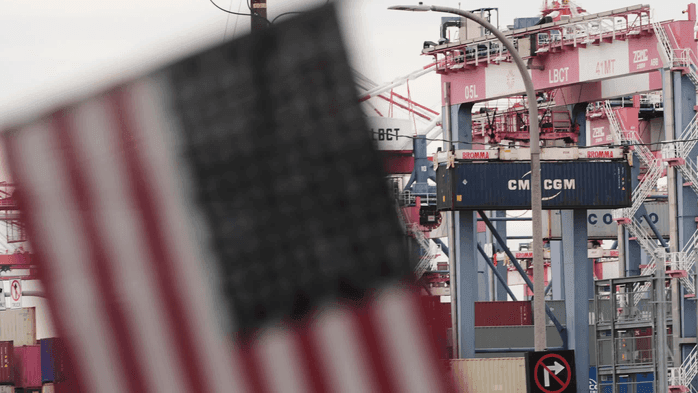
On February 20, the U.S. Supreme Court rejected a tariff decision imposed by President Donald Trump under the Economic Emergency Act. The ruling did not specify how the government would refund the tariff amounts. When asked about the matter, Trump said, “we will have to go to court in five years.”
For most tariffed goods, importers must place a deposit with U.S. Customs and Border Protection and pay an estimated tariff to bring the goods into the United States. The government makes the final determination on the tariff rate applied to those goods through the settlement process, typically about 314 days after import. If the importer overpaid, the amount is refunded; if the importer underpaid, the company must pay the shortfall.
Many companies have filed lawsuits with the International Trade Court seeking refunds, and the number of cases is expected to rise. Experts say it is not clear whether companies can sue collectively. Under U.S. trade law, firms have two years to sue for a tariff refund.
The litigation burden can be significant for smaller businesses, which are already heavily affected by tariffs. Some parties may abandon refund claims due to the thousands of dollars in litigation costs.
In December 2025, the Supreme Court ruled that companies have the right to re-examine finalized settlement records and ordered the government to refund the tariffs along with interest. Before the courts, the administration said it did not oppose. Economists say the decision could streamline subsequent legal proceedings.
The government monitors tariff payments and improves record-keeping, which may make it easier to determine the scale of refunds. Small businesses have urged the government to implement automatic refunds, while also worrying that authorities may scrutinize import documents too strictly, potentially slowing refunds.
Even after refunds are disbursed, some companies may not receive money if they are not the importer listed on the record. Once a refund is disbursed, who ultimately receives the funds depends on the contractual arrangement between the entity that paid the tariff and the importer on the records. This bottleneck could lead to further disputes.
The process could take years. Some eligible refund recipients have sold their rights to Wall Street investors. The International Trade Court has previously supervised large refunds, including cases involving more than 100,000 people under the guidance of Judge Jane Restani.
Harbor Maintenance Tax, enacted in 1986, was based on the value of goods entering and leaving U.S. ports. The Supreme Court ruled part of this tax unconstitutional in 1998, and the Trade Court has overseen related refunds.
Premium gym chains are entering a “golden era” that is ending or already in decline, as rising operating costs collide with shifting consumer preferences toward more flexible, community-based ways to exercise. Long-term memberships are shrinking, margins are pressured by higher rents and facility expenses, and competition from smaller, more personalized…