•
•
•
•
•
•
•
•
•
•
•
•
•
•
•
•
•
•
•
•
•
•
•
•
•
•
•
•
•
•
•
•
•


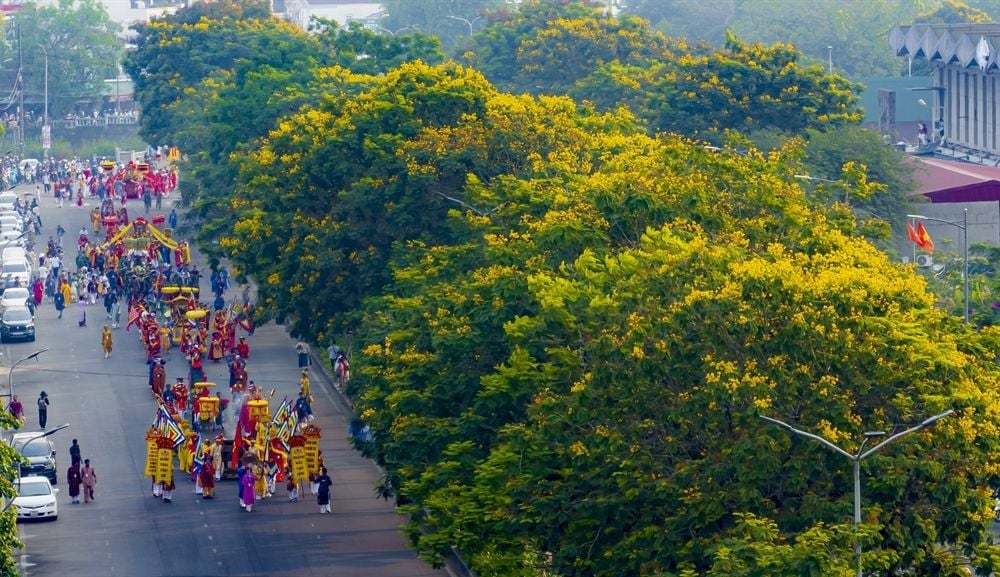
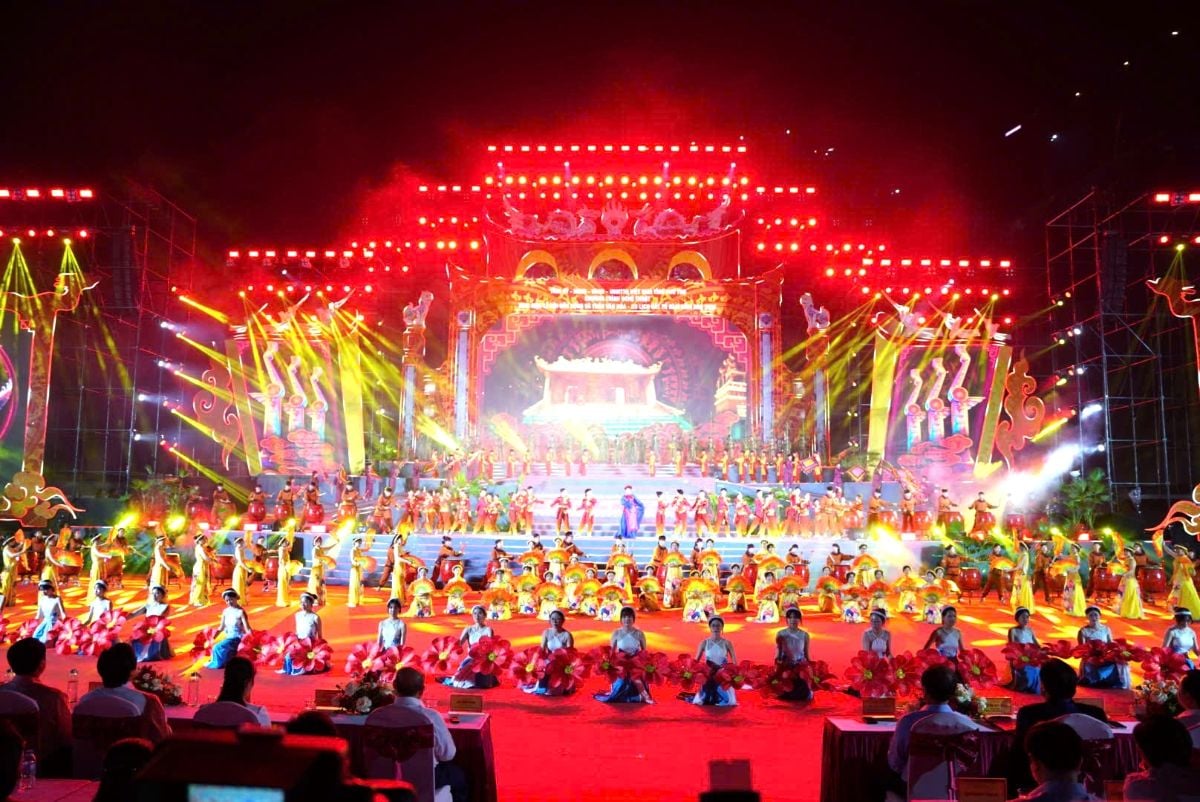
On April 18 (the 2nd day of the 3rd lunar month), thousands of residents and visitors joined the foot procession as part of the Huệ Nam Temple Festival 2026, creating a vibrant cultural and religious space in the heart of Hue. The event not only opened the Summer Festival sequence but also affirmed the enduring vitality of a national intangible cultural heritage. The Huệ Nam Temple Festival 2026 featured a large-scale foot procession with more than 6,000 participants and about 30–40 palanquin boats. The space stretched from the Thiên Tiên Thánh giáo Cathedral (352 Chi Lăng), through central streets, Thương Bạc Park, along the Huong River to Huệ Nam Temple, painting a multi‑colored cultural scene. The two-day event took place on April 18 and 19, with the route extending from the Thiên Tiên Thánh giáo Cathedral, Thương Bạc Park, along the Huong River to Huệ Nam Temple. Immediately after the ceremonies at the cathedral, the procession moved along Chi Lăng Street, crossed Gia Hội Bridge, continued on Trần Hưng Đạo Street, and stopped at Thương Bạc Park. Over more than 2 kilometers, the sight of ritual altars, banners, drums and gongs, and hundreds of devotees in colorful traditional costumes created an atmosphere that was both solemn and lively. Along the route, many locals and visitors lined the streets to participate in the procession. The event was not only a religious rite but also a distinctive community cultural activity that directly involves people, helping preserve and spread traditional values. After the ceremonies at Thương Bạc Park, the procession continued toward the dragon boat and navigated upstream along the Huong Giang to reach Huệ Nam Temple. On this journey, the festival space expanded to the water, blending spiritual elements with the natural landscape of Hue. At Huệ Nam Temple, key rites will be held, including Cáo yết, Cung nghinh Thánh Mẫu nhập điện, the pilgrimage and prayers, chánh tế cầu quốc thái dân an, and the closing rites and hồi loan. These rites carry the marks of folk belief, reflecting the community’s faith and spiritual life. The Huệ Nam Temple Festival is a traditional cultural activity of the Hue people, held regularly in the 3rd and 7th lunar months at the temple atop Ngọc Trản Mountain, where Thiên Y A Na Thánh Mẫu is enshrined. By late 2024, the festival had been included in the National Intangible Cultural Heritage list by the Ministry of Culture, Sports and Tourism, reinforcing the value of this form of folk worship. Beyond its spiritual significance, the festival is identified as a opening activity for the Summer Festival 2026, further cementing Hue’s status as a distinctive festival city in Vietnam. The event also demonstrates the central role of the community in creating, preserving, and promoting heritage values—a vivid illustration of the concept of a living heritage. Thus, the Huệ Nam Temple Festival has become a key highlight, contributing to activating Hue’s summer tourism season. Pilgrimage and river-based cultural experiences are enhancing the destination’s appeal, opening a sustainable development path grounded in Hue’s characteristic cultural heritage.
Premium gym chains are entering a “golden era” that is ending or already in decline, as rising operating costs collide with shifting consumer preferences toward more flexible, community-based ways to exercise. Long-term memberships are shrinking, margins are pressured by higher rents and facility expenses, and competition from smaller, more personalized…