•
•
•
•
•
•
•
•
•
•
•
•
•
•
•
•
•
•
•
•
•
•
•
•
•
•
•
•
•
•
•
•
•


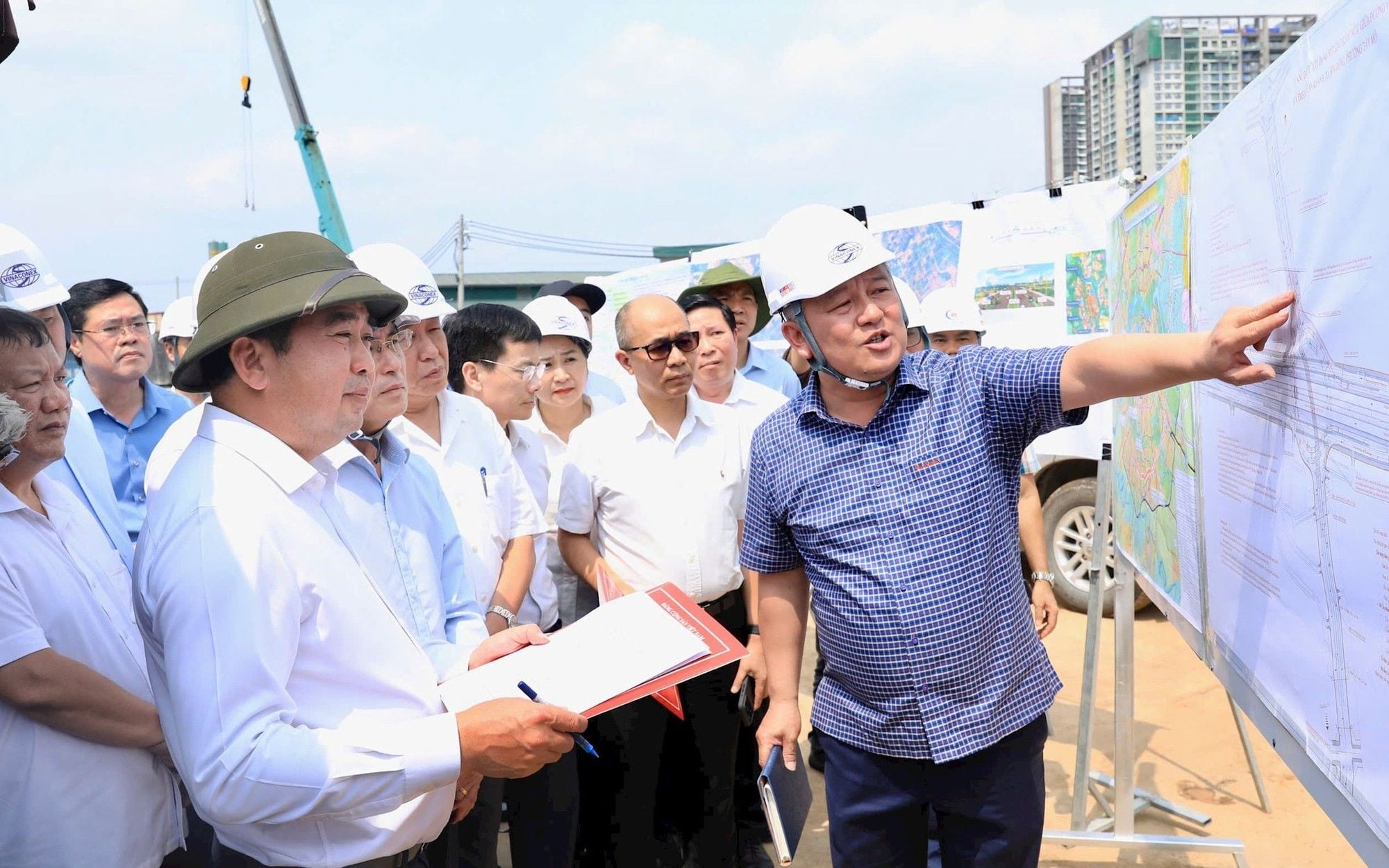
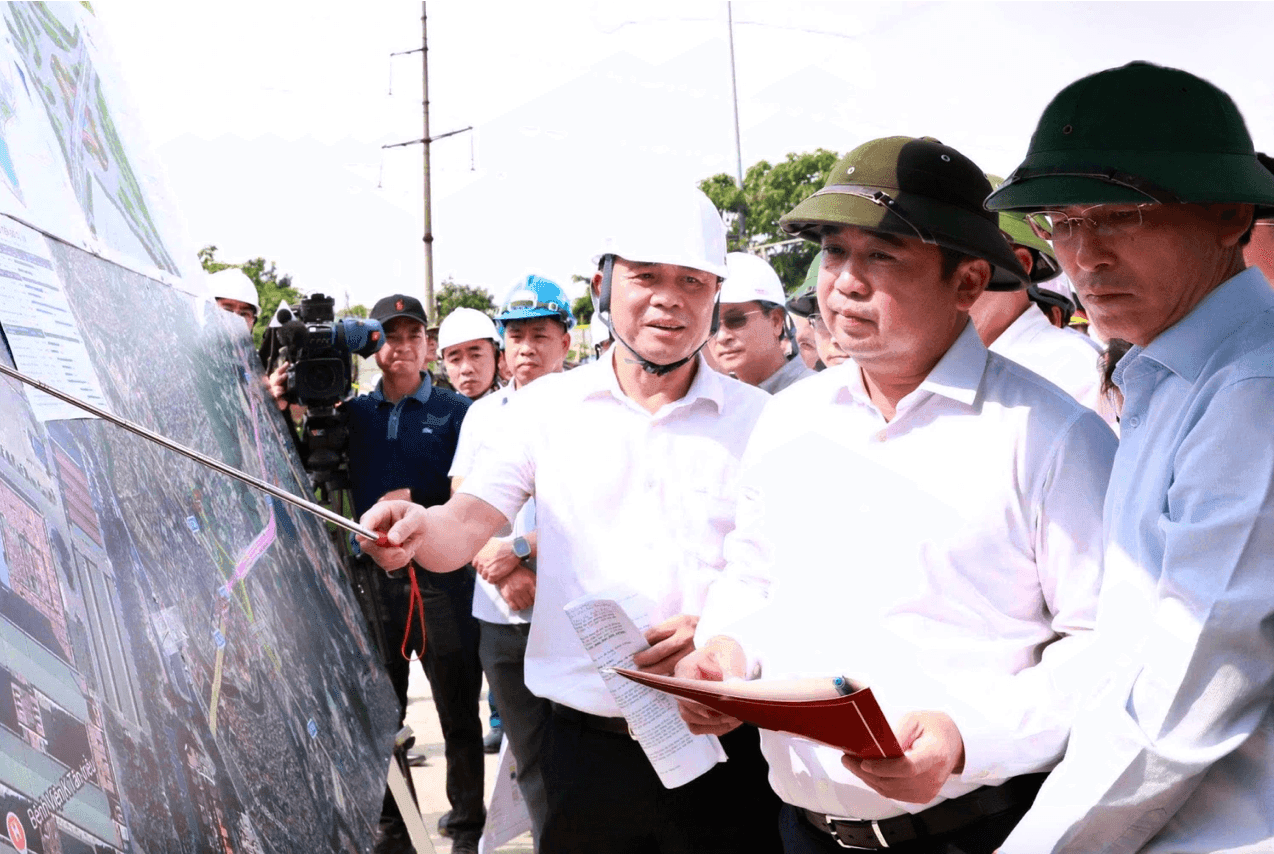
Deputy Prime Minister and Acting Prime Minister Pham Gia Tuc has praised the efforts of ministries, agencies and localities in implementing railway projects in recent times, saying the projects play an important role in implementing the Party Congress Resolution and the two-digit growth target. He noted that railway development is a new and complex area with many challenges, requiring decisive engagement from the entire political system.
The Acting Prime Minister said railway project implementation must be evaluated holistically across economic, political, foreign relations and efficiency factors, ensuring economic and financial effectiveness and aligning with the strategic autonomy orientation for rail industry development. He also emphasized the need for an appropriate organizational, management and operation model.
He urged ministries, sectors and localities to proactively implement the 14th Party Congress Resolution and Conclusion No. 18-KL/TW dated 02/04/2026 of the Party Central Committee, along with directives from the Political Bureau, to ensure progress, quality and investment efficiency within their authority, without shifting responsibility.
Land clearance and project readiness: Localities through which the projects pass must urgently carry out land clearance work as soon as the Ministry of Construction hands over boundary demarcation for clearance.
Institutional and legal framework: The Ministry of Construction and related ministries should continue reviewing to propose amendments and enhancements to institutional frameworks and legal provisions on rail investment, management and operation to ensure efficiency and compatibility with Vietnam’s conditions.
Standards and norms for rail systems: The Ministry of Science and Technology and the Ministry of Construction should promptly review, develop and issue additional standards and norms for rail, including high-speed rail, standard gauge rail and urban rail, in line with international practice to enable nationwide application. The ministries were tasked with completing urban rail standards by June 2026.
Manpower training: Ministries, sectors, Vietnam Railways and related enterprises should develop plans and organize manpower training to meet social needs and align with enterprise demands. Training funding must be provided in accordance with the law.
Mobilizing resources for training: The Ministry of Construction is responsible for mobilizing legitimate resources, including ODA and non-refundable aid, to train agencies under the ministry, and for allocating training costs within projects to support self-reliance in operation, maintenance and rail industry development.
Norms and unit costs: The Ministry of Construction must review the entire system of norms and unit costs to ensure adequacy and alignment with practical conditions, considering long-term use of the works. For rail works where Vietnam does not yet have machinery, equipment or new technology, the ministry should coordinate with partners to receive, evaluate and issue project-specific unit cost standards, aiming for savings and efficiency while setting a plan to adopt common standards.
For the North–South high-speed rail project, the Ministry of Construction should promptly complete procedures to select a consultant to prepare the Feasibility Study for the Project in Q2/2026.
Localities are also required to promptly plan to maximize the rail line’s economic benefits. The selection of technology transfer partners must be linked to the prerequisite of technology transfer to Vietnam.
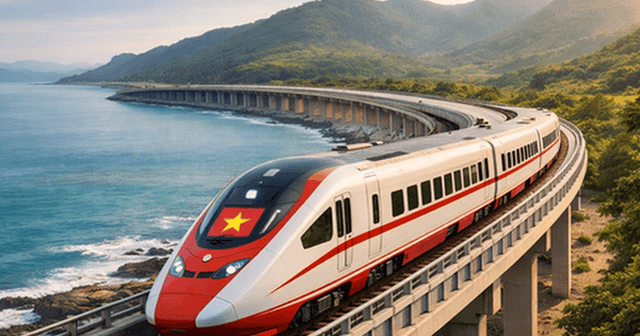
The North–South high-speed rail project has an estimated preliminary total investment of about VND 1.7 quadrillion (roughly USD 67 billion) and a length of 1,541 km. The route starts at Ngoc Hoi Station in Hanoi and ends at Thu Thiem Station in Ho Chi Minh City, passing through 15 provinces and cities with a design speed of 350 km/h.
The project comprises 23 stations, including 5 freight stations. Two priority segments—Hanoi–Vinh and Ho Chi Minh City–Nha Trang—are planned to commence in 2026. Other segments are scheduled to start from 2028, with the entire line targeted for substantial completion by 2035.
Source: An Ninh Tiền Tệ (04/28/2026 17:42 GMT+7)


Premium gym chains are entering a “golden era” that is ending or already in decline, as rising operating costs collide with shifting consumer preferences toward more flexible, community-based ways to exercise. Long-term memberships are shrinking, margins are pressured by higher rents and facility expenses, and competition from smaller, more personalized…