India does not plan to raise import duties on gold and silver to curb domestic consumption, according to Reuters, citing government officials.
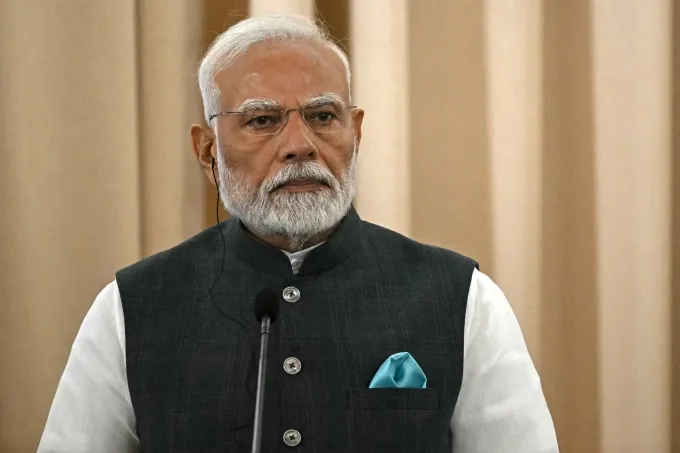
Reuters reported on May 11 that India currently has no plans to increase import taxes on precious metals. The comments came one day after Prime Minister Narendra Modi urged people to stop buying gold for a year, citing the impact of the Middle East conflict.
India is the world’s largest consumer of silver and the second-largest consumer of gold. Modi’s call to reduce gold purchases had prompted speculation that the government might raise import duties on precious metals.
Gold imports into India are already subject to multiple taxes, which could total around 6% in many cases.
On May 10, at an event in Hyderabad, Modi urged people to stop buying gold, limit weddings abroad, and travel less to conserve foreign exchange.
The measures were announced as India’s economy faced significant challenges. The energy crisis linked to the Middle East conflict is adding pressure to foreign exchange reserves and the rupee.
Global oil prices have risen about 60% since the Middle East conflict erupted in late February. The increase has been attributed to Iran’s blockade of the Hormuz Strait, a corridor that carries about 20% of global crude oil, raising fuel costs for oil-importing countries such as India.
India imports nearly 85% of the crude oil it uses domestically and is also among the world’s largest importers of gold. Akshat Garg, Director of Research and Products at Choice Wealth Private, said on India Today that India’s gold imports in fiscal year 2025 were around $58-60 billion, among the highest on record.
Higher demand for US dollars to fund imports is expected to put pressure on the rupee. The rupee is currently down about 0.7% against the dollar, trading below 95 INR per USD.
On May 11, shares of jewelry manufacturers fell about 7-11%, while travel-related stocks declined 2-5%.