•
•
•
•
•
•
•
•
•
•
•
•
•
•
•
•
•
•
•
•
•
•
•
•
•
•
•
•
•
•
•
•
•



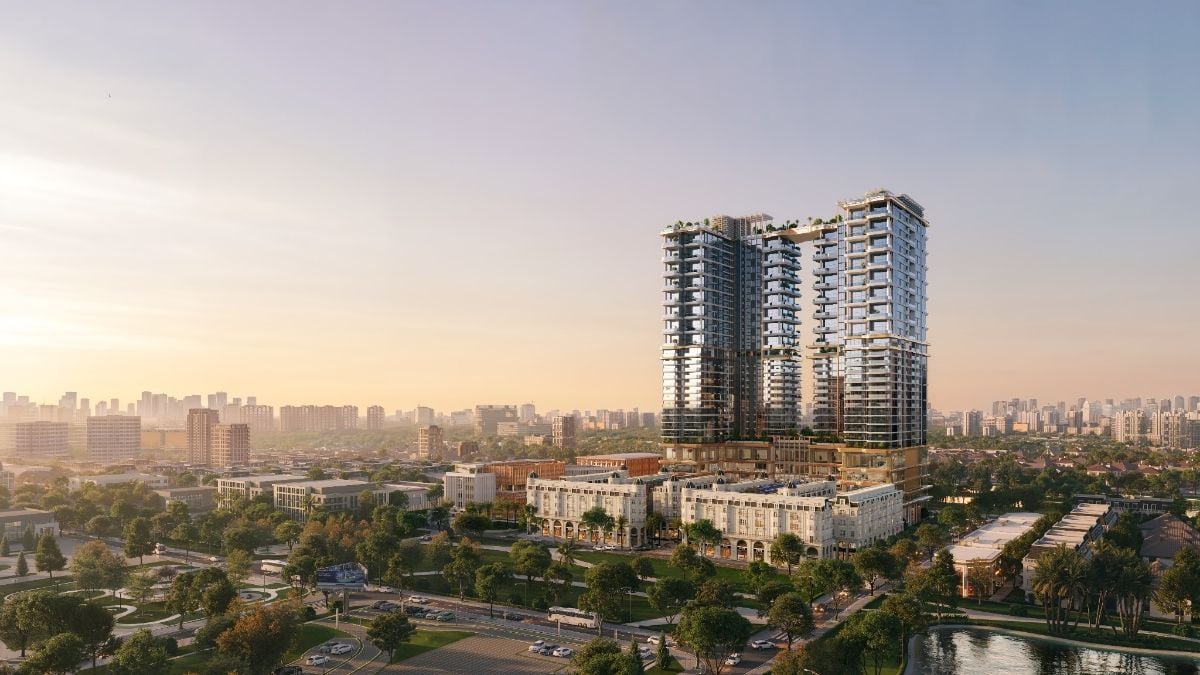
Kinh Bắc (KBC) will use future assets of the Lang Ha project, together with all shares and contributed capital in several subsidiaries, as collateral for a VND 1.3 trillion loan from Vietnam International Bank (VIB). The company’s board resolution states that KBC will mortgage assets related to land to be formed in the Lang Ha project’s future commercial center and office development at 1A, 1C, 1D Lang Ha, O Cho Dua ward, Hanoi.
In its 2025 audited consolidated financial statements, Kinh Bắc reports that it is using the Lang Ha project’s future assets, along with all shares and contributed capital in several subsidiaries, to secure the VND 1.3 trillion loan at VIB.
On December 26, 2025, Kinh Bắc completed the repurchase of 9.45 million shares in Lang Ha Investment’s affiliates, 3H Vietnam and Logistics A&E. These affiliates own 49% and 50% of Lang Ha Investment, respectively.
After the transaction, Kinh Bắc holds 100% of voting rights and profits in 3H Vietnam and Logistics A&E, thereby indirectly controlling Lang Ha Investment.
The Lang Ha project remains incomplete. Construction has reached 28 floors and has stalled for years. As of the end of 2025, the recorded cost of unfinished works exceeded VND 3,530 billion.
Kinh Bắc plans to continue completing the project and bring it into operation in 2027.
Lang Ha Investment, established in 2006, operates in real estate. It is led by Chairman Nguyen Hoang Ky Lan, who is also the CEO and legal representative of Lang Ha Investment, and who serves on the board of Navibank Securities (NVS), among other roles.
The relationship between Kinh Bắc and the Lang Ha project dates back to 2009, when KBC and two subsidiaries repurchased all Lang Ha Investment shares for more than VND 357 billion, with KBC owning 80% of the equity. Since then, the project saw multiple ownership changes through entities and banks connected to Dang Thanh Tam’s ecosystem before returning to Kinh Bắc’s control.




Premium gym chains are entering a “golden era” that is ending or already in decline, as rising operating costs collide with shifting consumer preferences toward more flexible, community-based ways to exercise. Long-term memberships are shrinking, margins are pressured by higher rents and facility expenses, and competition from smaller, more personalized…