Low-cost airlines worldwide cut flights
Low-cost carriers, which account for more than a third of the global market, are suffering significant financial losses as
fuel prices rise and are considering canceling numerous schedules.
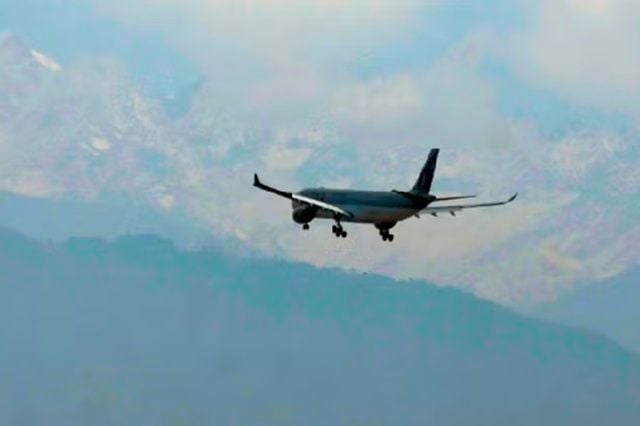
In this cost-pressure environment, airlines are forced to make difficult choices on routes with low profitability. (Source: THX/TTXVN)
Low-cost airlines such as Ryanair, Transavia, and Volotea are bearing heavy financial losses due to rising fuel costs. This situation is a direct result of the ongoing conflict in the Middle East.
The closure of the Hormuz Strait has caused a substantial loss of oil supply. This incident pushed fuel prices higher and raised concerns about energy shortages, forcing airlines to consider canceling many schedules.
Rather than waiting for an actual shortage to occur, airlines have proactively implemented coping measures. Travel experts advise passengers to book early as many airlines are cutting thousands of flights.
This view is echoed by Michael O'Leary, the head of Ryanair. Earlier this month, O'Leary expressed concern that fears of fuel shortages could deter people from booking flights.
Low-cost carriers currently account for more than a third of global market share. However, due to their business model based on low fares, these units find it difficult to absorb rising fuel costs.
Analyst Dudley Shanley of Goodbody, an investment bank, said that adjusting schedules at this time is normal. However, Mr. Shanley stressed that if fuel prices remain high, low-cost airlines will be forced to cut more routes.
In this cost-pressure environment, airlines face tough choices on routes with low profitability. EU Energy Commissioner Dan Jorgensen told Sky News that many people's vacations could be affected by cancellations or by very high ticket prices.
The speed of airlines' responses depends on whether they have hedged fuel purchases in advance. In North America, Canada's low-cost Air Transat has cut 6% of its flight schedules from May to October. In Southeast Asia, Malaysia's AirAsia X also announced continued reductions in flights and ticket prices rising by up to 40%.
Meanwhile, Hungary's low-cost Wizz Air is still trying to maintain capacity. In an interview with Aviation Week, Wizz Air's CEO Jozsef Varadi said the company does not plan to cut capacity as competitors are expected to do so.
However, large airline groups are not immune. Lufthansa Group has announced the cancellation of 20,000 flights from now through the end of October.
Air France-KLM also reduced about 2% of Transavia's flights. In Spain, budget airline Volotea has trimmed nearly 1% of its summer schedule.