•
•
•
•
•
•
•
•
•
•
•
•
•
•
•
•
•
•
•
•
•
•
•
•
•
•
•
•
•
•
•
•
•


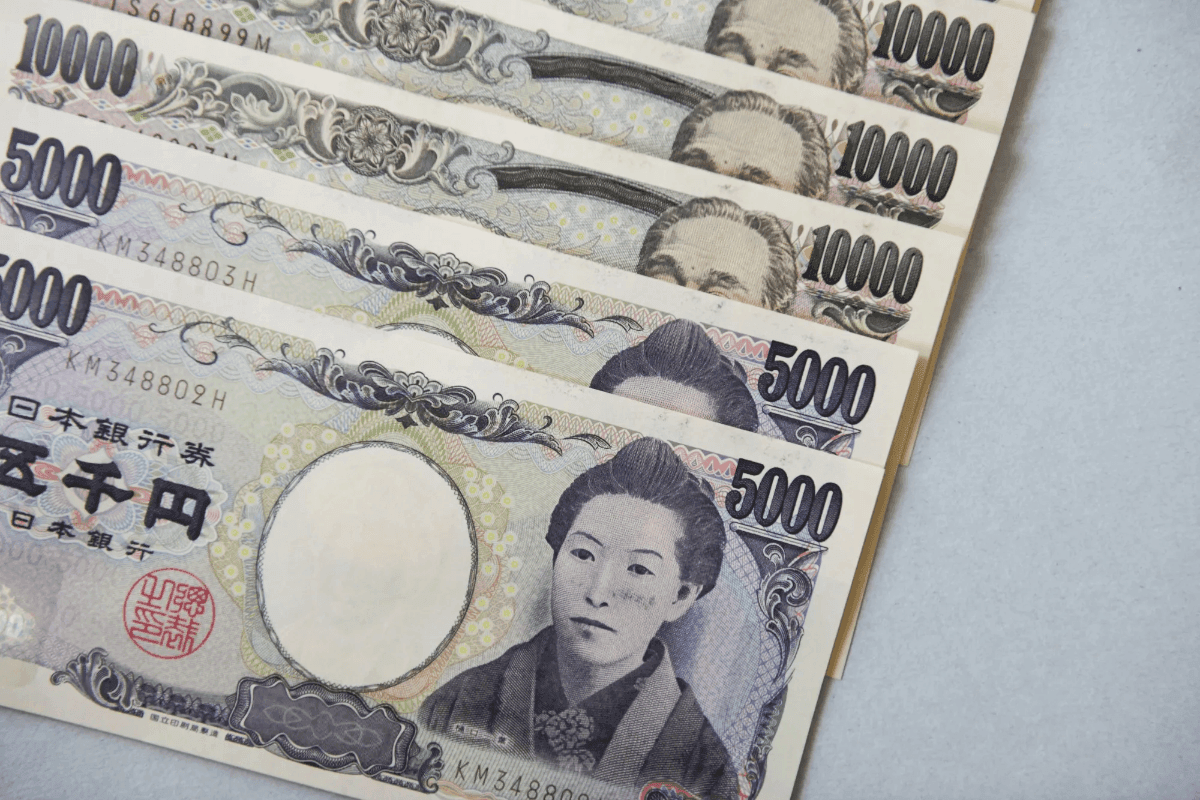
Markets are testing Japan’s resolve to defend the yen as the Bank of Japan (BOJ) intervenes in the currency market by selling dollars and buying yen. While authorities have not publicly confirmed the actions, traders believe the first intervention took place on April 30, after the yen weakened beyond 160 per USD—a politically sensitive level. On that day, the yen rose as much as 3%.
Traders then believe Japan carried out a second intervention on May 6, lifting the yen about 2% to 155.02 per USD from the previous close of 157.87 yen per USD. However, the yen later slipped again and traded above 157 per USD in Monday’s session (May 11).
Japanese authorities typically do not confirm interventions immediately, but instead tend to issue warnings in advance. This approach of deliberate ambiguity and signaling is designed to maximize the market impact.
Sumitomo Mitsui Banking Corporation’s head FX strategist Hirofumi Suzuki said recent yen moves suggest intervention may have been carried out, reflecting Tokyo’s resolve to defend the currency.
Nikos Tzabouras, senior analyst at Tradu, described the intervention as timely, saying it occurred when market liquidity was low during Golden Week and when the USD was weaker due to hopes for a peace deal between the US and Iran. He said those conditions could magnify the effect of intervention.
Some estimates suggest the Ministry of Finance could spend up to $35 billion to support the yen in the April 30 intervention, close to the $36.8 billion spent in the July 2025 intervention. Even so, analysts remain skeptical about how often Japan can intervene and how effective such measures can be over time.
Japan holds $1.16 trillion in foreign exchange reserves as of end-March. Francis Tan, chief strategist at Indosuez Wealth Management, said that if each intervention costs $34.5 billion, Japan could potentially conduct about 32 more interventions.
“Therefore, reserve space for FX intervention does not seem to be a problem. They have ample reserves,” Tan said.
However, ample reserves do not guarantee continued intervention. Under IMF rules, from now until the end of November, Japan can conduct only two more interventions to maintain the yen’s status as a freely floating currency. Repeated interventions could also raise concerns in the international community.
This week, it was expected that US Treasury Secretary Scott Bessent would meet with Japan’s counterpart Satsuki Katayama, with FX rates expected to be on the agenda.
Analysts said the impact of yen support through interventions is difficult to sustain long term. The main downward pressure comes from the interest-rate gap between the Federal Reserve and the BOJ. The BOJ policy rate is currently 0.75%, compared with the Fed’s 3.5% to 3.75% range, a gap of about 3 percentage points.
This gap encourages carry trades, where investors borrow yen to buy USD for profit. Separately, Japan is also seeing capital move abroad as institutions and individuals shift away from relatively unattractive Japanese government bond yields, according to Jesper Koll of Monex Group.
“The BOJ remains the only central bank in the world to allow negative real interest rates, and domestic investors are not willing to have their capital earn negative,” Koll said.
As a result, if the BOJ keeps policy unchanged rather than raising rates, analysts said the yen’s depreciation could continue.
“This shows a tension between the cautious approach of the BOJ in tightening policy and the Finance Ministry’s efforts to stabilize the exchange rate,” said Carlos Casanova, senior economist at UBS.
Koll said Japanese policymakers are “torn,” adding that intervening without currency tightening is like “a driver slamming on the brakes and pressing the accelerator,” warning that the “brake pads could fail at worst.”
For the BOJ, maintaining a balance is central. Raising rates to support the currency could lead to policy paralysis due to Japan’s weak economy, while also pushing Japanese government bond yields higher. The 10-year JGB yield has risen to around 2.52%, its highest level in 30 years.
Bessent, who is scheduled to visit the US this week, previously expressed support for faster BOJ rate hikes. Tan of Indosuez also said the BOJ should continue raising rates, even if that is difficult for the economy, suggesting the BOJ may be planning tighter policy given rising inflation expectations in Japan.
A BOJ survey released in April showed 83% of respondents expect prices to rise above current levels over the next year. Japan’s economy nearly slipped into technical recession in Q4 2025, with growth of 0.3% quarter-on-quarter and 1.3% year-on-year.

Premium gym chains are entering a “golden era” that is ending or already in decline, as rising operating costs collide with shifting consumer preferences toward more flexible, community-based ways to exercise. Long-term memberships are shrinking, margins are pressured by higher rents and facility expenses, and competition from smaller, more personalized…