•
•
•
•
•
•
•
•
•
•
•
•
•
•
•
•
•
•
•
•
•
•
•
•
•
•
•
•
•
•
•
•
•


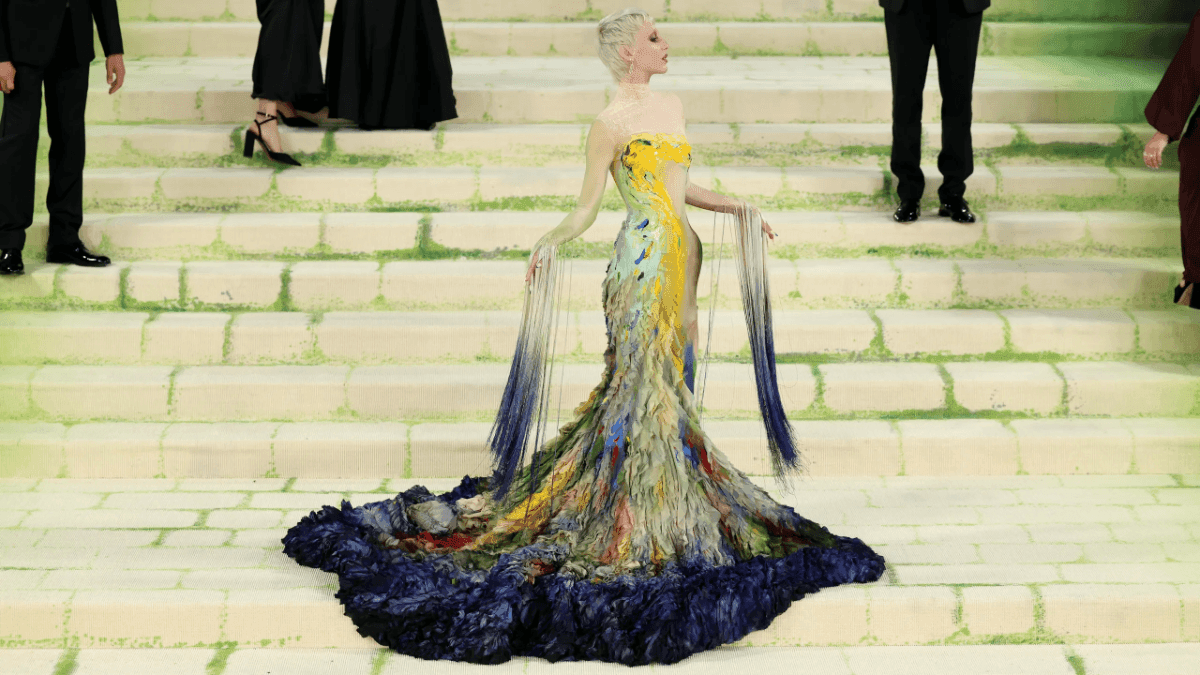
Met Gala 2026 at the Metropolitan Museum of Art in New York on Monday evening drew about 450 invitees to a handcrafted green carpet inspired by Northern Italian gardens. The event raised $42 million for the Costume Institute, surpassing last year’s $31 million and becoming the most successful fundraising night in almost 80 years of Met Gala history.
Met Gala 2026’s biggest sponsors included Amazon founder-CEO Jeff Bezos and his wife, Lauren Sánchez Bezos, who served as honorary co-chairs. Sources cited in the report indicate the couple contributed nearly $10 million, the first time a tech billionaire has played such a prominent leadership role at the event.
The co-hosts were Beyoncé, Nicole Kidman, Venus Williams, and Anna Wintour.
Attendance remains invitation-only, with tickets not available to the public. The report says a single ticket rose to about $100,000 this year, from roughly $75,000 the year prior. A table for 10 starts at a minimum of $350,000.
Large technology firms were among the biggest spenders, with Amazon, Meta, OpenAI, and Snapchat reported to have purchased tables. The report frames this as a shift in the event’s role—from a fashion gathering to a high-level business venue for power players, major brands, and high-profile celebrities.
Several leaders from large technology companies attended, including Evan Spiegel, Adam Mosseri, Sergey Brin, Charles Porch, and Amazon executives Christine Beauchamp and Jenny Freshwater. Mark Zuckerberg also attended Met Gala for the first time, though neither he nor Jeff Bezos appeared on the red carpet.
Beyond the celebrity and fashion headlines, the report describes Met Gala 2026 as a business machine for the fashion industry. Luxury brands are willing to spend millions to sponsor outfits for celebrities, since red-carpet appearances can deliver global attention. Designers loan or create bespoke outfits, jewelry, and accessories, with some couture pieces valued at hundreds of thousands of dollars.
The report also highlights the branding value of high-profile jewelry. Beyoncé wore jewelry with a total diamond weight exceeding 146 carats from Chopard, illustrating the scale of high-value partnerships tied to the event’s visibility.
Launchmetrics, cited in the report, said last year’s Met Gala generated a Media Impact Value (MIV) of about $1.3 billion. The report also notes that beauty brands spend thousands on perfume used by celebrities ahead of the red carpet, pointing to a broader value chain around the event.
While Met Gala is often compared to the Super Bowl of fashion, the report states it is not open to all brands; Anna Wintour controls the guest list, determining participation regardless of financial power.
The report traces Jeff Bezos’ involvement from 2012, when he first appeared at Met Gala and Amazon’s early sponsorship helped establish a fashion-forward image. Fourteen years later, Bezos and Lauren Sánchez Bezos are honorary chairs after contributing millions, reflecting a shift in influence beyond the original industry circle.
Tables purchased by OpenAI, Meta, and Snapchat at $350,000 each are described as part of a broader opening for participation by other technology firms, with Bezos’ presence signaling an alliance between tech and fashion.
The report concludes that Bezos’ sponsorship reflects Met Gala’s evolution into a platform where capital and culture intersect. Designers and brands seek tables to reinforce perception, while tech sponsors invest to sit among influential figures in fashion, aiming for returns through media exposure, reputational impact, and long-term branding.

Premium gym chains are entering a “golden era” that is ending or already in decline, as rising operating costs collide with shifting consumer preferences toward more flexible, community-based ways to exercise. Long-term memberships are shrinking, margins are pressured by higher rents and facility expenses, and competition from smaller, more personalized…