•
•
•
•
•
•
•
•
•
•
•
•
•
•
•
•
•
•
•
•
•
•
•
•
•
•
•
•
•
•
•
•
•


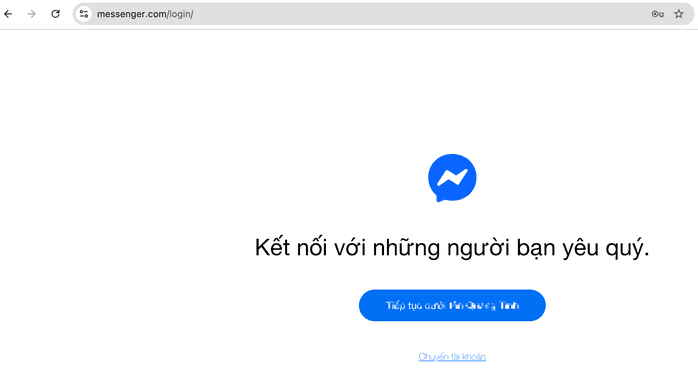
Meta announced that messenger.com will cease operation, while users will still be able to chat with friends through messaging apps within the same ecosystem. The company’s message indicates that communications will continue without disruption even after the messenger.com browser service is officially closed in Vietnam.
Meta said users can keep chatting through alternative access points. One option is to open the Facebook app on a mobile device and use the in-app Messenger box located in the top-right corner. Another option is to download the Messenger app from the App Store or Google Play and use it on a phone. After logging into a Facebook account, users can click the Messenger icon in the top-right corner to start chatting.
While Meta expects no disruption to users’ ability to communicate, the shift may be inconvenient for people who do not use the Facebook social network and only want the web-based Messenger experience. Tech industry sources characterized the move as part of Meta’s broader effort to wind down standalone desktop platforms.
Messenger first launched in 2008 as Facebook Chat, later becoming a standalone app in 2011. In 2014, Facebook separated the messaging function from the main mobile app to encourage users to move to Messenger. Over time, Messenger became a core part of Meta’s ecosystem alongside Instagram, WhatsApp, and Threads.
Since 2023, Meta has begun reintegrating Messenger with Facebook while gradually shutting down Messenger desktop apps and services. The planned closure of messenger.com in Vietnam fits this consolidation trend.
Premium gym chains are entering a “golden era” that is ending or already in decline, as rising operating costs collide with shifting consumer preferences toward more flexible, community-based ways to exercise. Long-term memberships are shrinking, margins are pressured by higher rents and facility expenses, and competition from smaller, more personalized…