•
•
•
•
•
•
•
•
•
•
•
•
•
•
•
•
•
•
•
•
•
•
•
•
•
•
•
•
•
•
•
•
•


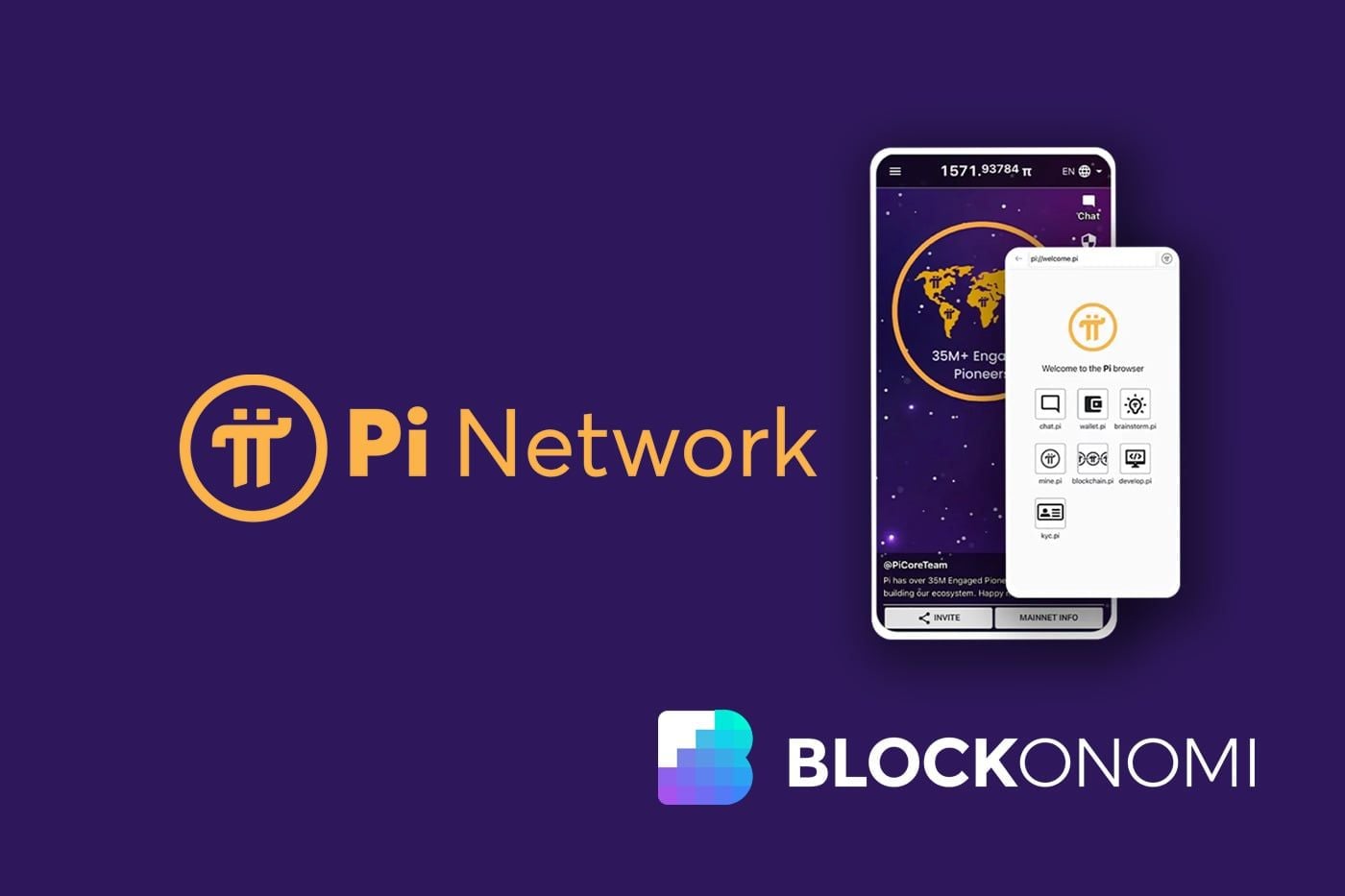
Pi Network marked its seventh official anniversary on Pi Day 2026 with a series of ecosystem releases spanning infrastructure upgrades, token launch capabilities, exchange listings, and validator rewards. The updates are designed to broaden how Pioneers and developers can build, participate, and engage with the network, including the introduction of a Pi Day Utility Challenge to encourage community use of newly available features.
The Pi Launchpad MVP launched on Testnet, introducing a structured mechanism for ecosystem token issuance. Projects are required to have working applications before launching tokens, aiming to ensure immediate utility at launch.
Pi proceeds from each token launch flow into liquidity pools rather than going directly to the issuing project. The stated goal is to support decentralized exchange activity within the Pi ecosystem.
Pi also upgraded all major Pi nodes to version 20.2, enabling protocol 20. The upgrade is positioned as the technical foundation for smart contract capabilities on the blockchain.
Smart contract categories—including subscriptions, escrow, and NFT-related contracts—will be prioritized based on utility-driven product needs. Several contracts are currently undergoing external audits before progressing to Testnet deployment.
Second migrations have begun, allowing previously migrated Pioneers to bring additional Pi balances to Mainnet. Before migrating, Pioneers must complete two-factor authentication through Step 5 of the Mainnet Checklist.
The requirement is tied to the permanence of blockchain transactions, which cannot be reversed. Referral mining bonuses tied to KYC-verified team members are also included in second migrations.
Pi distributed the first round of KYC validator rewards for contributions recorded through March 5, 2026. The reward pool included 16,568,774 Pi from migrated Pioneers, supplemented by 10 million Pi from the Pi Foundation.
Based on 526,970,631 successful validations, the distribution equated to approximately 0.0504 Pi per validation—about 21 times the current base mining rate, reflecting the scale of validation work completed.
More than 1,094,680 human validators contributed to the KYC process, completing over half a billion tasks collectively. The Pi Foundation also supplemented the round to account for early validations used to train the validator workforce.
Future reward rounds may incorporate additional criteria related to validator accuracy and consistency, with new Pi entering the pool and new validations factored into subsequent distributions.
Centralized exchange Kraken integrated support for Pi following the network’s KYB verification process for external services.
Pi App Studio now supports Mainnet apps and live Pi payment integration for select qualifying applications. Four apps have been invited to transition from Testnet to Mainnet based on quality, utility, and ecosystem compliance.
For eligible creators, the update enables receiving real Pi payments directly through the blockchain, shifting App Studio from experimentation toward sustainable creator income. Persistent payment integration is also available within App Studio on both Testnet and Mainnet.
Previously, in-app purchases applied only during a single active session and expired when the user exited. With the new approach, purchases such as premium access or feature unlocks carry over across multiple future sessions, supporting longer-lasting application experiences.
The Pi Day Utility Challenge launched alongside these releases, providing a structured way for Pioneers to explore ecosystem tools, newly released products, and Pi utility applications. Completing all tasks earns a Pi Day badge visible on Pi Chats and Pi Social Profiles.
The Open Network Anniversary raffle concluded on March 14. A total of 150 winners will be selected randomly and contacted through the official Pi support email. Pioneers are advised to verify sender addresses carefully and consult the Pi Safety Center to avoid scams, noting that official communications will come only through verified Pi Network channels.
Premium gym chains are entering a “golden era” that is ending or already in decline, as rising operating costs collide with shifting consumer preferences toward more flexible, community-based ways to exercise. Long-term memberships are shrinking, margins are pressured by higher rents and facility expenses, and competition from smaller, more personalized…