•
•
•
•
•
•
•
•
•
•
•
•
•
•
•
•
•
•
•
•
•
•
•
•
•
•
•
•
•
•
•
•
•


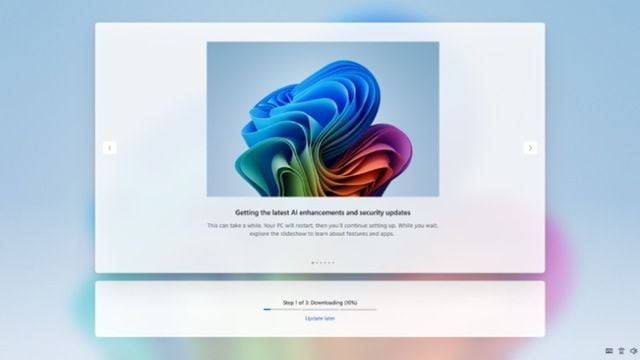
After more than ten years of a mandatory update policy that drew widespread debate, Microsoft has publicly reversed course. In a blog post, the software giant said it will allow Windows 11 users to pause updates indefinitely, marking the biggest change to the update policy since Windows 10 was released in 2015.
The move follows years of user frustration over unexpected restarts during meetings or gaming sessions. Microsoft said the new approach is intended to restore user control while still maintaining the security and stability benefits of updates.
Microsoft’s update policy reversal introduces four core improvements designed to give users more flexibility over when updates occur.
Windows 11 users will be able to pause updates for an indefinite period, rather than being forced to install updates on a fixed schedule.
Users who have just unboxed a new PC will no longer be required to install dozens of updates immediately. Microsoft said users can go straight to the Desktop and decide when to update.
Microsoft also said it will allow skipping updates on first boot. With the new Power menu, the standard options of “Restart” and “Shut down” will always appear, enabling users to reboot or power off normally without being blocked by pending updates.
Microsoft said it will improve how update information is presented. Driver updates that previously carried identical names will be categorized by device type, such as audio, display, or battery. The company will also try to consolidate updates to reduce repeated update prompts within a month.
Microsoft emphasized that updates remain essential for security and system stability. The company said the goal is not to encourage users to skip patches, but to allow scheduling so updates do not disrupt work.
Microsoft said the new features are currently being tested in the Windows Insider program before a wider rollout.








Premium gym chains are entering a “golden era” that is ending or already in decline, as rising operating costs collide with shifting consumer preferences toward more flexible, community-based ways to exercise. Long-term memberships are shrinking, margins are pressured by higher rents and facility expenses, and competition from smaller, more personalized…



