The Ministry of Construction warns that construction materials price increases—linked to fluctuations in fuel prices—may continue to affect the progress and cost efficiency of many projects. As of March 31, fuel price rises have pushed up downstream production and transportation costs for most construction materials compared with February 2026.
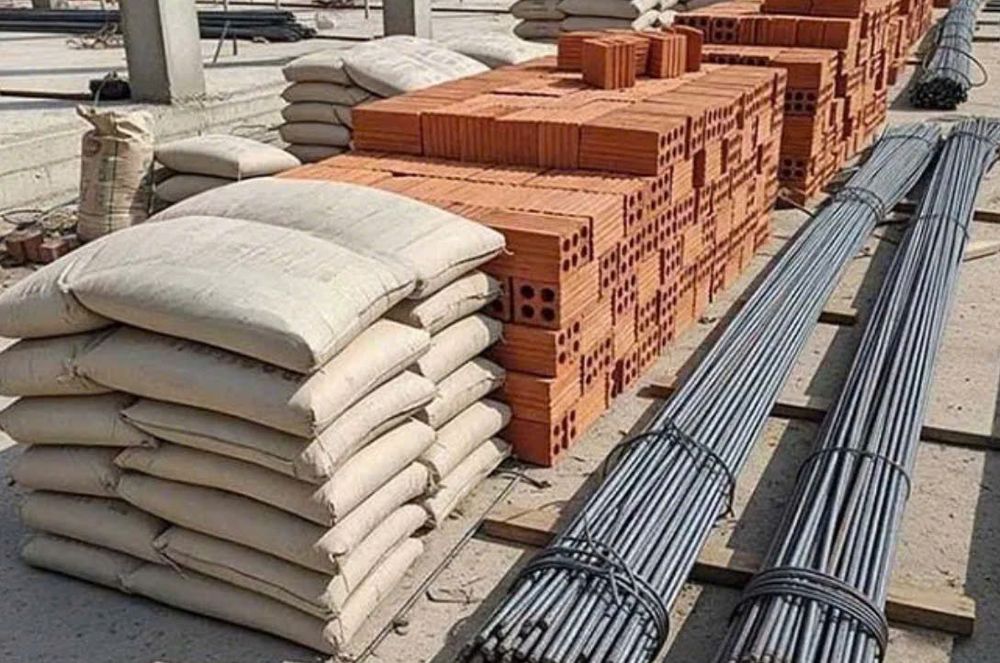
Compared with February 2026, cement prices rose by more than 7%, steel by more than 2%, floor tiles by nearly 5%, and sand, stone and bricks increased from 13.5% to 23.3%. Asphalt prices rose sharply by about 32%.
The Ministry forecasts that construction materials prices will continue to rise in the near term. It says increases in fuel prices (gasoline and diesel) and materials have directly affected investment costs for construction works.
Based on the observed price fluctuations of materials and fuels, the Ministry estimates that cost estimates for building works could increase by 1.91% to 8.09% compared with February 2026, depending on project type.
In a scenario where fuel prices rise by 100% relative to February 2026, transportation infrastructure projects would be most affected, potentially increasing by around 16%. Industrial projects would be least affected, potentially rising by about 4%.
Statistical data cited by the Ministry show 44 key projects (including PPP) under the Steering Committee for Key Projects, with total investment of around 569 trillion VND. Of this, the construction portion is about 413 trillion VND, while the remaining unspent value is about 267 trillion VND.
The Ministry says that if the 100% fuel price increase scenario occurs, construction costs could rise significantly.
Given geopolitical risks from the Middle East that could persist and affect fuel prices, the Ministry urges provincial authorities to coordinate resources and prioritize completion of core infrastructure projects. It also asks relevant agencies to strictly enforce regulations on the management, publication, and updating of construction materials prices to reflect market levels.
Localities are directed to closely monitor fuel and construction materials suppliers, prevent hoarding, speculative pricing, and price gouging, and monitor mining outputs. The Ministry also calls for strengthening contract-law awareness so contracts are carefully formed, risk assessments for price fluctuations are thorough, and price-adjustment methods match market conditions.
For investors and project management authorities, the Ministry recommends maintaining tight cost control and proactively assessing the impact of fuel and material price movements to use contingency costs effectively and rationally. It also advises aligning contract-price forms and procurement plans with market developments, reviewing ongoing contracts—especially turnkey and fixed-price contracts—assessing risk factors, and coordinating with contractors to resolve issues in line with regulations. Authorities should review projects and adjust implementation plans to ensure progress.
The Ministry further directs investors and contractors to review fuel and material needs to ensure construction remains continuous and uninterrupted.