•
•
•
•
•
•
•
•
•
•
•
•
•
•
•
•
•
•
•
•
•
•
•
•
•
•
•
•
•
•
•
•
•


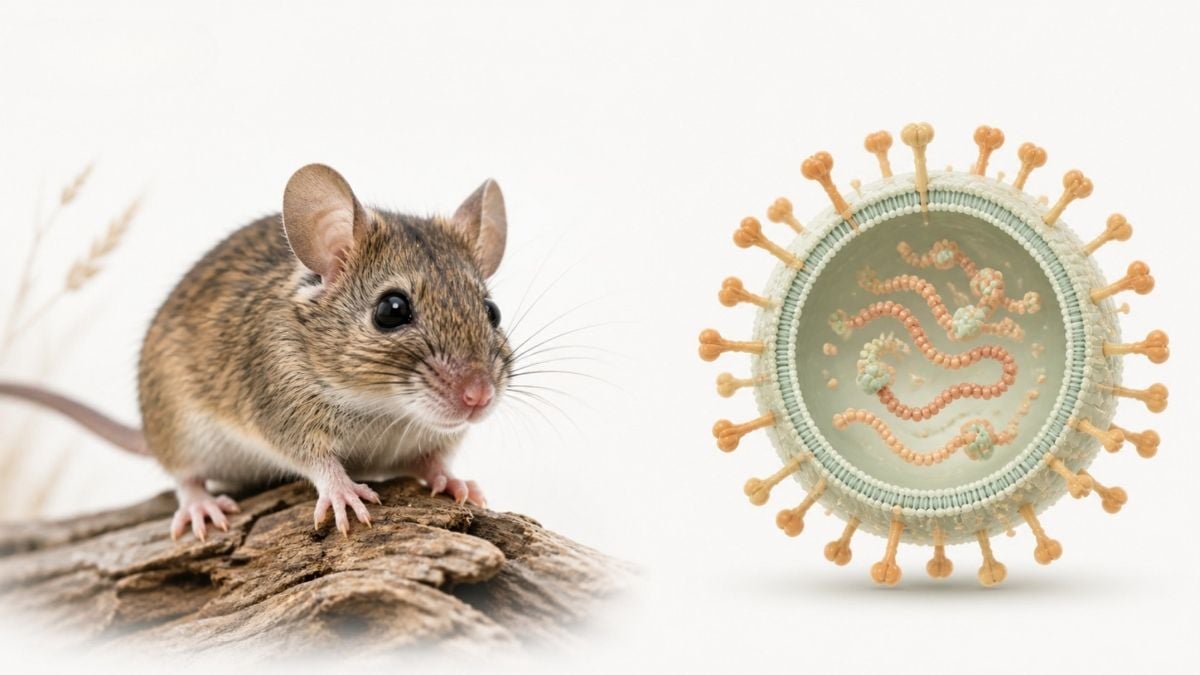
According to the Department of Prevention, several leading units have reported on hantavirus testing capacity in the country. The National Institute of Hygiene and Epidemiology (NIHE) currently performs five diagnostic techniques, including: rapid tests detecting IgG antibodies to Hantavirus; ELISA detecting IgM antibodies to Hantavirus; ELISA detecting IgG antibodies to Hantavirus; RT-PCR detecting Hantavirus RNA; and sequencing to identify the Hantavirus. Mr. Hoang Minh Duc, Director of the Department of Prevention (Ministry of Health), said NIHE currently has full capacity to test for hantavirus, including human resources, equipment, and testing reagents. Currently, the disease caused by hantavirus has no specific treatment and no vaccine. Treatment is mainly supportive care and intensive care. The virus can cause severe illness in humans, such as pulmonary syndrome or hemorrhagic fever with renal syndrome. The disease can progress rapidly, causing shortness of breath, respiratory failure, low blood pressure, and possible death. The main transmission route is through mouse urine, feces, and saliva of infected rodents, particularly where mice nest or hide, with risk of bites or direct contact, then reaching the eyes, nose, or mouth. It can also spread when sweeping, dusting, or cleaning homes, barns, or stores with infected mice, as dried mouse excreta can disperse into very small particles in the air; people inhaling dust containing the pathogen can become infected with hantavirus. Health experts note the risk typically rises when people clear old storerooms, attics, barns, granaries, or places with substantial rodent droppings but dry sweeping, using brooms, or vacuum cleaning can disperse the virus into the air. The virus can also spread through open wounds that come into direct contact with contaminated animal waste. Previously, according to the World Health Organization (WHO), in early May 2026, a cluster of severe acute respiratory illness on a cruise ship traveling from Argentina through the South Atlantic was recorded, with at least seven cases (two confirmed hantavirus infections and five suspected), including three deaths. The vessel carried 147 people (88 passengers and 59 crew) from 23 nationalities, with no Vietnamese nationals among the passengers or crew. The Ministry warns about hantavirus transmission from mice. Keywords: hantavirus disease, infectious diseases, National Institute of Hygiene and Epidemiology, hantavirus
Premium gym chains are entering a “golden era” that is ending or already in decline, as rising operating costs collide with shifting consumer preferences toward more flexible, community-based ways to exercise. Long-term memberships are shrinking, margins are pressured by higher rents and facility expenses, and competition from smaller, more personalized…