•
•
•
•
•
•
•
•
•
•
•
•
•
•
•
•
•
•
•
•
•
•
•
•
•
•
•
•
•
•
•
•
•


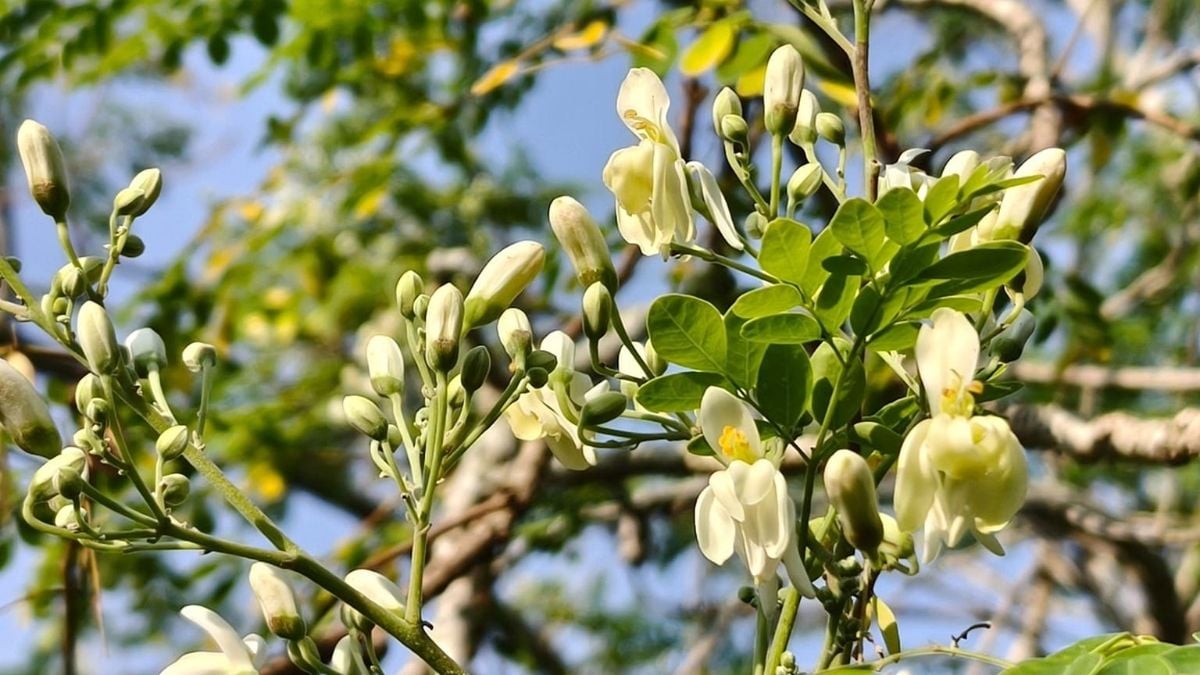
Researchers say an ancient water filtration approach could offer a new way to tackle microplastics in European drinking water. A study published in ACS Omega found that moringa seeds can replace, and in some cases outperform, alum—the common coagulant used in water treatment.
Microplastics, which come from sources such as tires, paints, textiles and degraded plastic packaging, have accumulated in water systems for decades. The particles are smaller than 5 mm, can enter the body through drinking water, and have been linked to health risks including cancer, cardiovascular disease and reproductive disorders.
Since 2024, the European Union has increased monitoring of microplastics in drinking water. However, some research warns that ultrafine particles—capable of crossing the gut and entering the bloodstream and organs—may still not be fully controlled by current treatment systems.
The research, led by Gabrielle Batista at São Paulo State University (UNESP, Brazil), examined whether moringa could perform as a coagulant in microplastics removal. The study suggests moringa seeds can replace alum and may even outperform it.
Using moringa for water purification is not entirely new. The plant is believed to have been used by ancient Egyptians to purify water and reduce turbidity. The study also highlights moringa’s ecological traits, including fast growth, drought tolerance, low irrigation requirements, carbon sequestration potential, and the ability to grow on arid land—factors that support biodiversity. Because of its wide range of uses, moringa is often referred to as the “miracle tree.”
According to the study, both alum and moringa extract work by neutralizing the negative charge on microplastic particles. Once the charge is neutralized, particles clump together into larger aggregates called “flocs,” which can then be retained by a sand filter.
Experimental results reported in the study show that both methods removed more than 98% of PVC microplastics from water. The researchers also found that moringa showed greater stability across different pH levels, an important consideration for real-world water treatment conditions.
The study further indicates that moringa can work effectively in inline filtration, comparable to traditional filtration. This raises the possibility of removing the coagulation step, which is often costly and energy-intensive.
The researchers cautioned that additional issues need evaluation. One concern is dissolved organic carbon leaching during processing, which could affect downstream treatment steps. The study also notes that industrial-scale effectiveness of moringa still needs to be validated before broad deployment.
At present, European countries largely continue to rely on alum for microplastic removal. While alum can be effective, the article notes environmental and health-related concerns, including increased aluminum concentration in water and links to neurological disorders such as Alzheimer’s. Alum coagulation also produces large amounts of sludge that are difficult to treat and typically require disposal in landfills, with risks of toxin leakage into soil and water sources.
From a production standpoint, aluminum coagulants carry additional environmental impacts tied to bauxite mining in tropical regions, including deforestation, habitat loss and greenhouse gas emissions during refining.
In this context, moringa is presented as a potential alternative to alum that could support greener water treatment approaches—reducing chemical dependence and improving sustainability for future water systems, provided the remaining limitations are addressed.







Premium gym chains are entering a “golden era” that is ending or already in decline, as rising operating costs collide with shifting consumer preferences toward more flexible, community-based ways to exercise. Long-term memberships are shrinking, margins are pressured by higher rents and facility expenses, and competition from smaller, more personalized…


