•
•
•
•
•
•
•
•
•
•
•
•
•
•
•
•
•
•
•
•
•
•
•
•
•
•
•
•
•
•
•
•
•


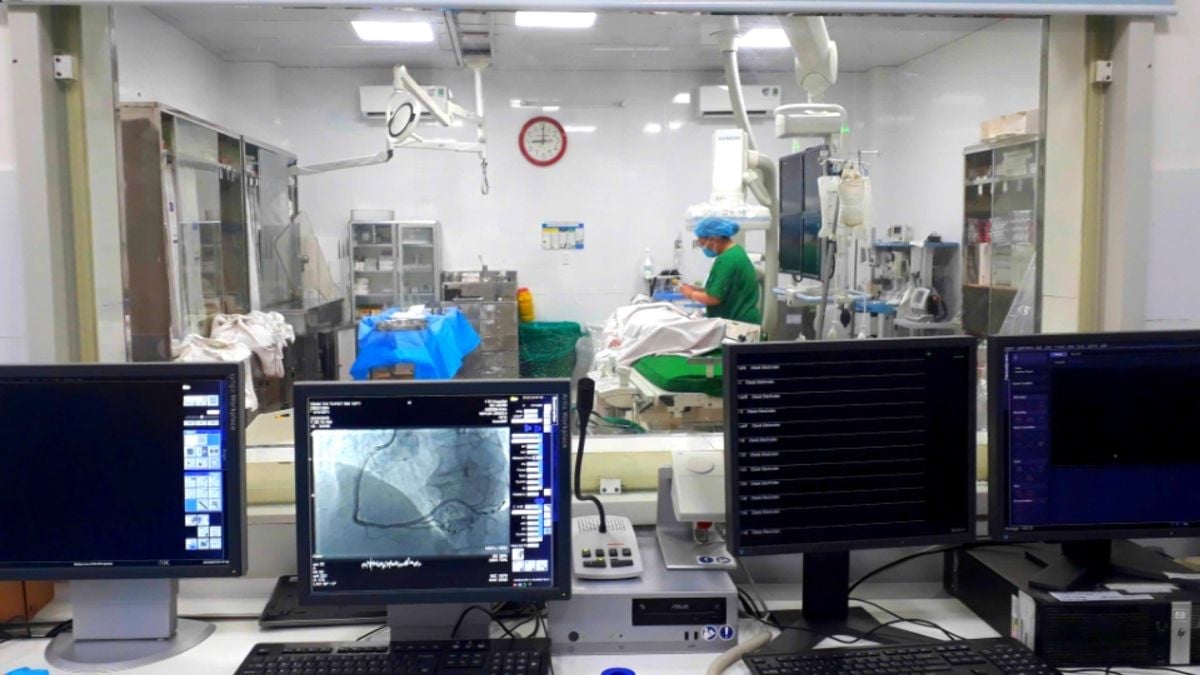
Vietnam’s younger population is facing a growing burden of cardiovascular diseases, placing additional strain on hospitals and healthcare resources. At Ho Chi Minh City’s People’s Hospital 115, the hospital admits about 20,000 acute stroke cases each year—an average of around 60 patients per day. The cerebrovascular disease department operates 170 beds and is almost always full.
Professor Nguyen Huy Thang, head of the Cerebrovascular Disease Department at 115 People’s Hospital, said most cerebrovascular patients are aged 30 and above, while those under 45 account for about 15–20%. He noted that many early-present cases stabilize after intervention and can be discharged, but severe cases still require longer inpatient care and close monitoring to reduce complications.
He also said the rate of young people hospitalized for stroke in Vietnam has risen by around 30% in recent years.
In Ho Chi Minh City, a 23-year-old man was admitted after following a high-protein, high-fat, low-carbohydrate ketogenic diet to lose weight. Dr. Nguyen Anh Duy Tung said that after admission, visceral fat had increased, muscle mass declined, and blood lipid levels were high. The patient had no prior conditions. Doctors said the keto diet is only suitable for certain indications and is not recommended for long-term weight loss.
They added that prolonged misuse increased blood lipids, contributing to cholesterol accumulation in arterial walls and leading to atherosclerosis. Atherosclerosis was described as the buildup of fats, cholesterol, and other substances in arterial walls, forming plaques.
Another case involved a 43-year-old man who suddenly developed a severe headache, collapsed, and fell into a coma. Brain imaging at Interventional Neurology, Institute of Neurology, 108 Military Hospital showed a hemorrhage in the brainstem, described as a highly dangerous form of stroke. Doctors attributed the risk to work stress combined with smoking and occasional drinking, noting these factors can weaken arteries over time. The sudden headache was identified as a warning sign of a brain vessel rupture.
At Bach Mai Hospital’s Cardiology Institute, a 25-year-old man was brought to emergency with a similar pattern of sudden symptoms. Doctors said he was playing online games at midnight when he suddenly clutched his chest and cried out in pain. Cardiac enzymes were elevated; heart function was reported at 46%; and the coronary artery was occluded from the mid-section.
Doctors said the patient had smoked more than a pack per day since age 18. “Seven years of smoking are enough to devastate the vascular system of a healthy young man, turning pliant coronary arteries into stiff, plaque-covered tubes,” they said. The 25-year-old patient was described as one of the youngest myocardial infarction cases the hospital had ever treated, according to doctors at the conference “Circle of Peace” on stroke organized by the Institute of Health Technology Applications (IMT).
Dr. Tran Ngoc Thanh warned that vascular health in young people is being damaged early by modern lifestyle, especially sugar and stress. “Healthy blood vessels are the root of life,” Thanh said.
He cited broader statistics showing Vietnam has about 200,000 new heart attack cases each year, with mortality up to 30% due to not receiving timely emergency care. He also reiterated that the rate of young people admitted for stroke has risen by about 30% in recent years.
Thanh said the core reasons strokes and heart attacks are increasingly affecting younger people relate to vascular health and three main factors: high blood sugar, high lipids, and oxidative stress caused by stress.
Dr. Thanh said there is currently no “miracle drug or supplement” that can prevent stroke after a single use. Instead, he emphasized maintaining a “circle of safety” by controlling blood pressure, blood glucose (HbA1c below 6.5%), and lipids, along with getting enough sleep, limiting alcohol and tobacco, and exercising regularly.
At the conference, doctors also discussed an active healthcare model combining data, AI, and healthcare staff. According to IMT’s director, the approach centers on a 24/7 integrated system for monitoring, analyzing, issuing alerts, and connecting with medical personnel.
Data gathered from smart devices is processed by an AI model optimized for health science. The system records metrics including heart rate, blood pressure, SpO2, and sleep, and it also assesses long-term changes. It can raise alerts when risk is detected and connect with medical staff when needed.
Experts noted that many conditions—such as hypertension, cardiovascular disease, or stroke—often begin silently long before detection. They said proactive continuous health monitoring can help individuals identify small but meaningful changes and seek timely medical examinations to prevent disease.






Premium gym chains are entering a “golden era” that is ending or already in decline, as rising operating costs collide with shifting consumer preferences toward more flexible, community-based ways to exercise. Long-term memberships are shrinking, margins are pressured by higher rents and facility expenses, and competition from smaller, more personalized…