•
•
•
•
•
•
•
•
•
•
•
•
•
•
•
•
•
•
•
•
•
•
•
•
•
•
•
•
•
•
•
•
•


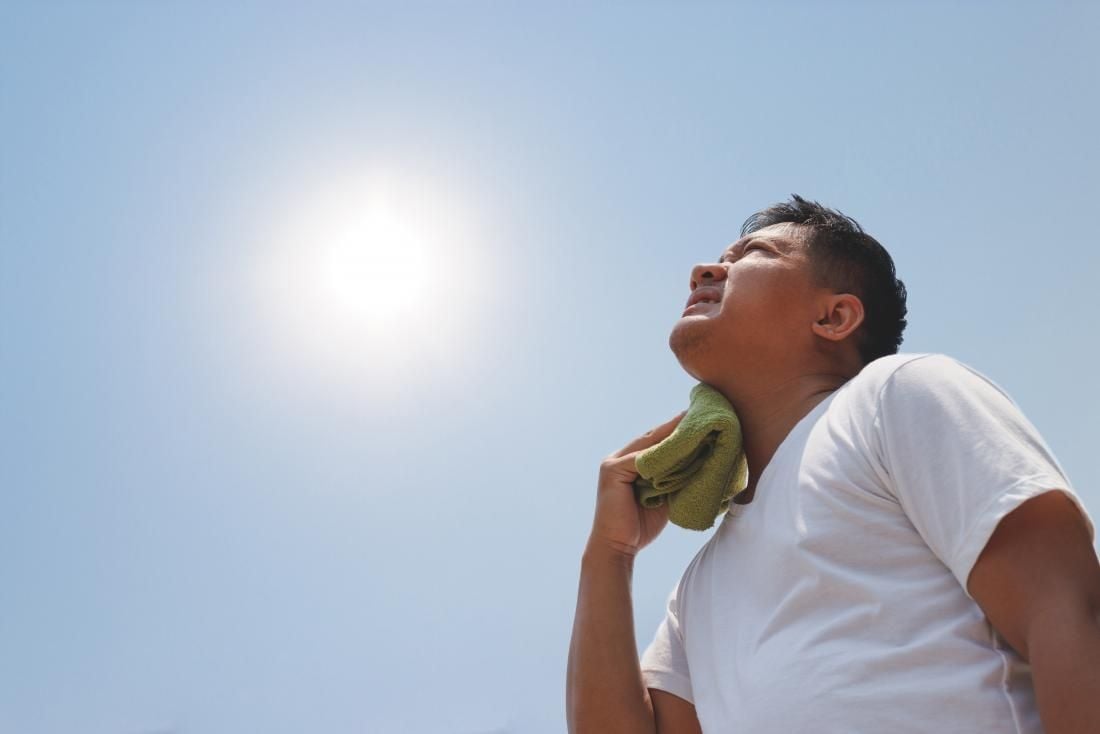
Hospitals in Ho Chi Minh City have reported a 15%–20% increase in patients coming for examinations in recent days. Doctors said the rise is accompanied by more cases of dehydration and electrolyte disturbances, along with low blood pressure and acute episodes of cardiovascular and kidney diseases.
A 37-year-old woman, L.T.L., living in Ho Chi Minh City, reported frequent dizziness when moving or working outdoors. Last week, after severe heat exposure, she developed headache, nausea, and fatigue and was taken to the emergency department. Doctors diagnosed signs of heat shock, citing the body’s inability to adapt quickly to high temperatures and dehydration.
Dr. Kiều Xuân Thy, Executive Director of University of Medicine and Pharmacy Ho Chi Minh City – Campus 3, said that during prolonged heat waves the body sweats more, increasing fluid and electrolyte loss. If fluids and electrolytes are not replenished adequately, circulating volume can drop and reduce blood supply to the brain and other vital organs.
In the early stage, patients may experience rapid fatigue, thirst, headaches, dizziness, fast heartbeat, and reduced concentration—symptoms that can be mistaken for ordinary tiredness. When dehydration and electrolyte disturbances worsen, the condition can progress to heat exhaustion, which may include heavy sweating, nausea, cramps, dizziness, and reduced urine output.
If the body’s temperature regulation fails further, central body temperature can rise and central nervous system disturbances may occur. Patients may become drowsy or confused, have slurred speech, seizures, or even coma. Prolonged dehydration can also increase blood viscosity and contribute to blood pressure fluctuations and electrolyte disturbances, placing additional strain on the cardiovascular system and destabilizing people with underlying risk factors.
Older adults, children, pregnant women, and people with chronic illnesses are more susceptible due to impaired thermoregulation or limited physiological reserves. However, healthy young people can also develop complications when working or exercising intensely in hot conditions, particularly without adequate fluid replenishment. Doctors noted that many severe heat-shock cases occur in this group due to underestimating risk and lacking preventive measures.
Dr. Ngô Văn Tân from University of Medicine and Pharmacy Ho Chi Minh City – Campus 3 said that the idea that “drinking a lot of water is enough” does not fully reflect the complexity of health protection, especially for kidney function.
When hydration is not managed properly, urine can become concentrated, allowing minerals such as calcium, oxalate, or uric acid to crystallize into stones. This is one reason kidney stone incidence tends to rise in summer, even among people without prior kidney disease.
Dr. Tân also cautioned that drinking water “the wrong way” can create risks. Many people consume large amounts immediately after sun exposure or heavy physical work, which can rapidly dilute blood salt concentration and trigger electrolyte disturbances, with symptoms such as fatigue, headaches, and dizziness. He noted that carbonated drinks and beverages high in sugar or excessive minerals can increase metabolic burden and promote stone formation rather than protect the kidneys.
He advised people to divide water intake into small portions and drink steadily several times a day, even when not thirsty. Plain water was described as the optimal choice, while high-intensity workers may replenish electrolytes at a moderate level.
In southern provinces facing prolonged scorching heat, Can Tho Obstetrics and Gynecology Hospital advised pregnant women—especially those in late pregnancy—to monitor their health closely to avoid dangerous complications for both mother and baby.
Dr. Võ Minh Nhân, Deputy Head of Obstetrics at the hospital, said pregnant women lose water through sweating and are also more prone to heat exposure. This can lead to digestive disturbances such as vomiting and diarrhea, causing electrolyte imbalance. Severe dehydration and electrolyte disturbances can lead to seizures in the mother and directly affect fetal heart rate, contributing to an increased risk of conditions such as preeclampsia.
Besides pregnant women and young children, the elderly were identified as the most vulnerable group during hot weather due to diminished thermoregulation and reduced water–electrolyte balance with age. At the National Gerontology Hospital in Hanoi, within a week of early-summer heat in the north, admissions to Emergency and Stroke wards rose by 20–30% compared with before.
Doctors said the most common conditions include cardiovascular, respiratory, and metabolic disorders such as hypertension, diabetes, COPD, and stroke, alongside dehydration and electrolyte disturbances. The case of Do Thị Đạm (89) from Phú Thọ was cited: as heat intensified, her health declined rapidly, with shortness of breath, fatigue, and fluctuating glucose, lipid, and liver enzyme levels.
Dr. Nguyễn Danh Cường, Deputy Head of the Emergency and Stroke Department at the National Gerontology Hospital, said heat can worsen chronic diseases. He explained that older people often have multiple underlying conditions, weaker thermoregulation, weaker thirst sensation, and reduced immune function. When temperatures rise, the body can more easily fall into dehydration and electrolyte disturbances, further aggravating cardiovascular, respiratory, and metabolic diseases.
Doctors also warned that abrupt temperature changes between outdoor environments and air-conditioned indoor spaces can prevent the body from adapting quickly, increasing the risk of vasoconstriction and blood concentration, and potentially contributing to stroke or heart attack. A key concern is that many patients are admitted late due to subjective misjudgment or initial management that is not appropriate, causing them to miss the “golden hour” for emergency care.
One common mistake is rapidly applying cold ice when experiencing heat shock, which can constrict blood vessels and worsen the condition. Dr. Cường advised people to watch for early warning signs including fatigue, dizziness, headaches, excessive thirst, and reduced urine output.
Electrolytes are minerals such as sodium, potassium, and calcium that help maintain the function of the heart, brain, and muscles. When electrolyte balance is disrupted, the body can enter a dangerous state.
In summer, heavy sweating to cool the body can lead to dehydration and mineral loss. People with chronic conditions such as hypertension, diabetes, or COPD, and those using diuretics, were noted as being at greater risk of electrolyte imbalance. Age-related physiological changes can reduce the body’s ability to retain sodium and regulate hormones, making electrolyte disturbances more likely under heat stress.




Premium gym chains are entering a “golden era” that is ending or already in decline, as rising operating costs collide with shifting consumer preferences toward more flexible, community-based ways to exercise. Long-term memberships are shrinking, margins are pressured by higher rents and facility expenses, and competition from smaller, more personalized…