•
•
•
•
•
•
•
•
•
•
•
•
•
•
•
•
•
•
•
•
•
•
•
•
•
•
•
•
•
•
•
•
•


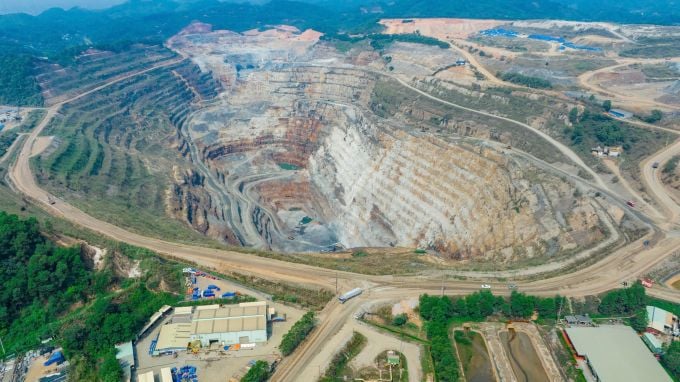
MSR's revenue rose nearly 115% year over year to 2,993 billion dong in Q1 2026, aided by simultaneous improvements in commodity prices, output, and the company’s financial structure. The information is stated in the company's financial report. After three months of business, the unit posted net profit of 537 billion dong, while in the same period last year it posted a loss of 222 billion dong. The growth driver mainly comes from APT (the most important intermediate chemical in the processing and production of tungsten), contributing 2,445 billion dong in revenue, up 3.2x from the same period. The company's representative said the three most important variables for MSR are turning positive simultaneously: rising commodity prices, recovering output, and leverage beginning to decrease sharply. In Q1 2026, the average APT price reached 1,865 USD per metric ton, by end-March it rose to about 3,150 USD. This price level is much higher than the assumption of around 1,200 USD in the 2026 adjustment plan of the company. This price level has a large impact on MSR's profits, given the mining and materials processing industry's high sensitivity to commodity prices. But unlike many cycles before, the uptrend in tungsten is not just about short-term supply-demand factors. Danny Le, Masan Group's CEO, said tungsten APT price rose from about 300 USD to around 3,000 USD per ton and is expected to stay high in Q2 2026. “With the current price, Masan High-Tech Materials has the ability to repay all debt within 18 months,” Mr. Danny Le emphasized. MSR's leadership believes that if tungsten prices stay around current levels, the time to bring MSR to a near debt-free state could shrink to about 12-14 months. Per plan, the company's processing capacity will recover from Q2 2026 and grow more strongly from Q3 after the mining license is adjusted. This implies that the annual ore processed would likely exceed 2025. Production increases as commodity prices stay high, and the operating leverage effect begins to take hold more clearly, thereby helping to improve profit margins and cash flow. However, the most notable change lies in the company's capital structure. For many years, financial leverage pressure was one of the factors that kept the market cautious about MSR. Yet as cash flow improves thanks to favorable commodity prices and rising production, the company's financial structure has begun to become more positive. MSR aims to reduce net debt to EBITDA from 3.5x in Q1 to 1.7x by the end of this year. Looking further, assuming APT remains above 1,500 USD per metric ton, the company says it may approach a near debt-free state in the next two years. The company's representatives say that if this scenario unfolds, it will be a major change for a company that had endured prolonged financial pressures. Additionally, interest costs will fall sharply, and the quality of profits and the ability to generate cash flow will change significantly. More importantly, reducing leverage will open the possibility of the company approaching dividend payments, something previously far from the mining company's reality given its large investment and debt. According to Mr. Danny Le, most Masan's business lines have returned to a double-digit growth trajectory in both revenue and profit. Among them, Masan High-Tech Materials is the standout bright spot. In the context of many countries tightening controls on strategic mineral exports, especially China—the country that dominates most of the global tungsten supply—diversifying supply chains is increasingly important. This development makes non-Chinese sources more important, and it also provides MSR with a significant advantage for the Nui Phao mine in the global high-tech materials supply chain.
Premium gym chains are entering a “golden era” that is ending or already in decline, as rising operating costs collide with shifting consumer preferences toward more flexible, community-based ways to exercise. Long-term memberships are shrinking, margins are pressured by higher rents and facility expenses, and competition from smaller, more personalized…