•
•
•
•
•
•
•
•
•
•
•
•
•
•
•
•
•
•
•
•
•
•
•
•
•
•
•
•
•
•
•
•
•


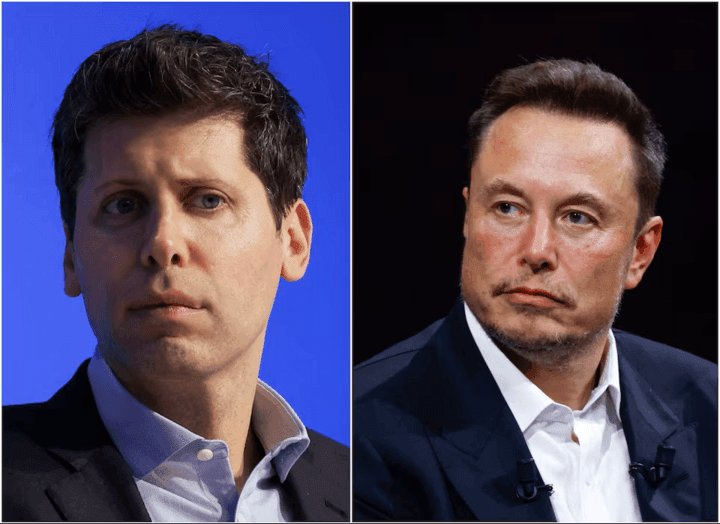
Elon Musk vs. Sam Altman at the courthouse The trial between Elon Musk and Sam Altman began in Oakland, California, with a nine-member jury in attendance. Musk accuses OpenAI and Microsoft of betraying the nonprofit mission at the core of the venture, turning the organization into a 'money-making machine,' and seeks $150 billion in damages to fund OpenAI’s charitable foundation. Internal documents released show tensions between Musk and OpenAI’s co-founders dating back to 2017. Musk contends that Altman and Greg Brockman duped him into funding the venture, while OpenAI countered that Musk merely sought control of the company to serve his own AI research lab, xAI. Microsoft denied any collusion. The trial is expected to feature prominent tech figures such as Musk, Altman, and Microsoft CEO Satya Nadella. The lawsuit could affect OpenAI’s IPO plans and potentially influence public trust in AI technology. Taylor Swift protects her voice against AI Pop star Taylor Swift has filed trademarks for two audio clips and a stage image of herself. The move aims to prevent her voice and image from being exploited in AI-generated deepfake products. The filings were submitted to the United States Patent and Trademark Office, with Swift’s TAS Rights Management handling the process. Lawyer Josh Gerben says this is a novel step, adding an extra layer of protection beyond existing public rights doctrines, particularly as AI can imitate singing without copying the original recording. Swift is not the only artist pursuing this approach. Previously actor Matthew McConaughey filed a voice trademark to establish clear ownership boundaries in the AI era. Experts say this could become a new trend to protect the image and voice of public figures. OpenAI may launch an AI smartphone A new analysis by Ming-Chi Kuo suggests OpenAI is exploring a smart phone in partnership with MediaTek, Qualcomm and Luxshare. Rather than relying on apps, the device would operate on AI agents to perform a wide range of tasks. This move is seen as an effort to break the control of Apple and Google over the app ecosystem. Kuo says OpenAI would develop its own chip alongside MediaTek and Qualcomm, while Luxshare would share the design and manufacturing duties. The phone is expected to continuously understand user context, integrate a small on-device AI model with a cloud-based model to handle diverse requests. With ChatGPT approaching one billion weekly users, delivering hardware for everyday life could help OpenAI broaden its reach. Technical specifications and supplier partnerships are expected to be finalized by late 2026 or early 2027, with mass production planned for 2028.

Premium gym chains are entering a “golden era” that is ending or already in decline, as rising operating costs collide with shifting consumer preferences toward more flexible, community-based ways to exercise. Long-term memberships are shrinking, margins are pressured by higher rents and facility expenses, and competition from smaller, more personalized…