•
•
•
•
•
•
•
•
•
•
•
•
•
•
•
•
•
•
•
•
•
•
•
•
•
•
•
•
•
•
•
•
•


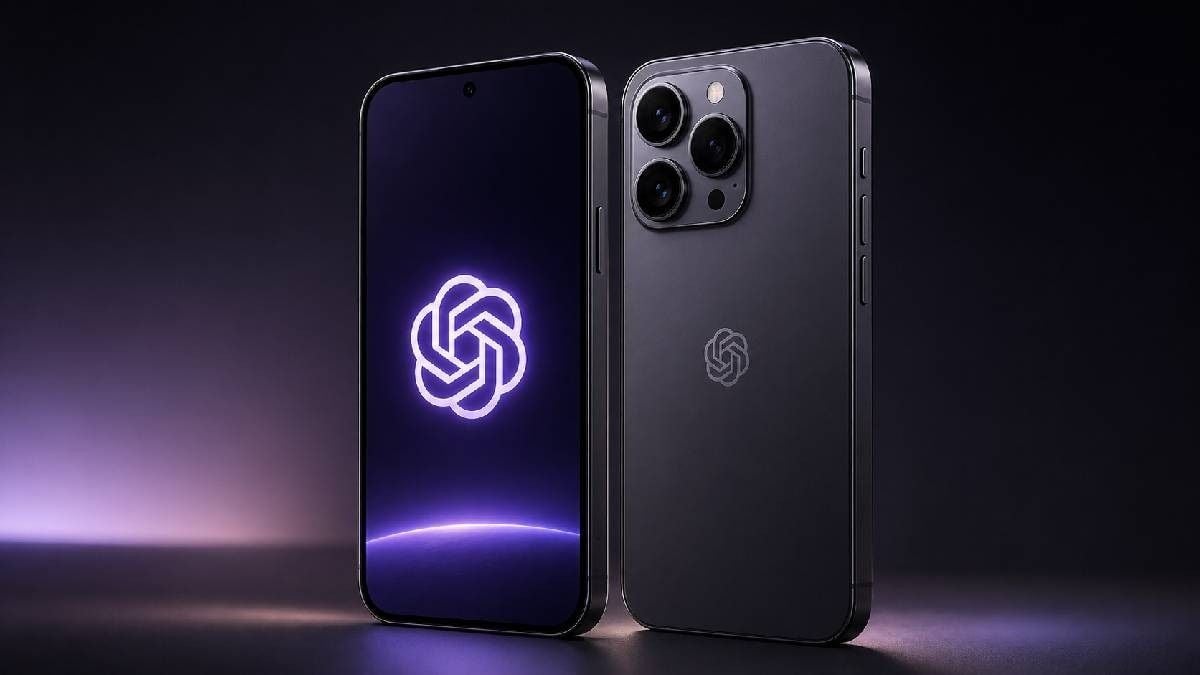
OpenAI is reportedly working with chipmakers Qualcomm and MediaTek to design a dedicated processor for a new smartphone concept that would rely on an “AI agent” to handle tasks for users, according to analyst Ming-Chi Kuo. The claim has not been officially confirmed by OpenAI.
The key differentiator, as described by Kuo and unnamed sources, is a shift in how users complete everyday tasks. Instead of opening multiple apps to carry out requests, users would submit a goal and an AI agent would automatically coordinate actions across services. The intent is to reduce interaction with many individual applications and focus on the outcome.
If implemented, this approach could alter long-term expectations for how smartphones are used, moving from app-by-app workflows toward a more centralized task orchestration model.
To support this concept, the report suggests OpenAI may need greater control over the device ecosystem. Custom hardware could help the company avoid constraints tied to existing operating systems, where access and system control are typically governed by platform providers such as Apple or Google.
The device is expected to use a hybrid AI strategy, combining models that run directly on the smartphone with cloud-based models. The reported goal is to balance performance and latency while still enabling the device to handle more complex tasks.
The selection of Qualcomm and MediaTek is described as deliberate. Most high-end Android phones launching in 2026 are expected to use either Qualcomm’s Snapdragon 8 Elite Gen 5 or MediaTek’s Dimensity 9500. Both companies have previously discussed AI-agent capabilities as a future direction for phone usage, including the ability to process tasks across multiple apps.
The report also mentions Luxshare as a potential co-design and manufacturing partner.
Beyond smartphones, the reporting references OpenAI’s wider hardware plans, including AI-enabled headsets. The earliest launch window mentioned is between 2026 and 2027.
In the teased roadmap, the device’s specifications and supply chain could be finalized by the end of this year or early 2027, with mass production planned for 2028.
Some experts cited in the reporting argue that AI may need access to personal context that individual apps cannot fully provide on their own. At the same time, the idea of reducing or eliminating app-centric interaction is not unique to OpenAI; other companies and AI startups are exploring similar models where an AI layer orchestrates tasks rather than users relying on single apps.
OpenAI has not commented officially on the matter, so the smartphone processor collaboration and the “no apps” concept remain unconfirmed.

Premium gym chains are entering a “golden era” that is ending or already in decline, as rising operating costs collide with shifting consumer preferences toward more flexible, community-based ways to exercise. Long-term memberships are shrinking, margins are pressured by higher rents and facility expenses, and competition from smaller, more personalized…