•
•
•
•
•
•
•
•
•
•
•
•
•
•
•
•
•
•
•
•
•
•
•
•
•
•
•
•
•
•
•
•
•


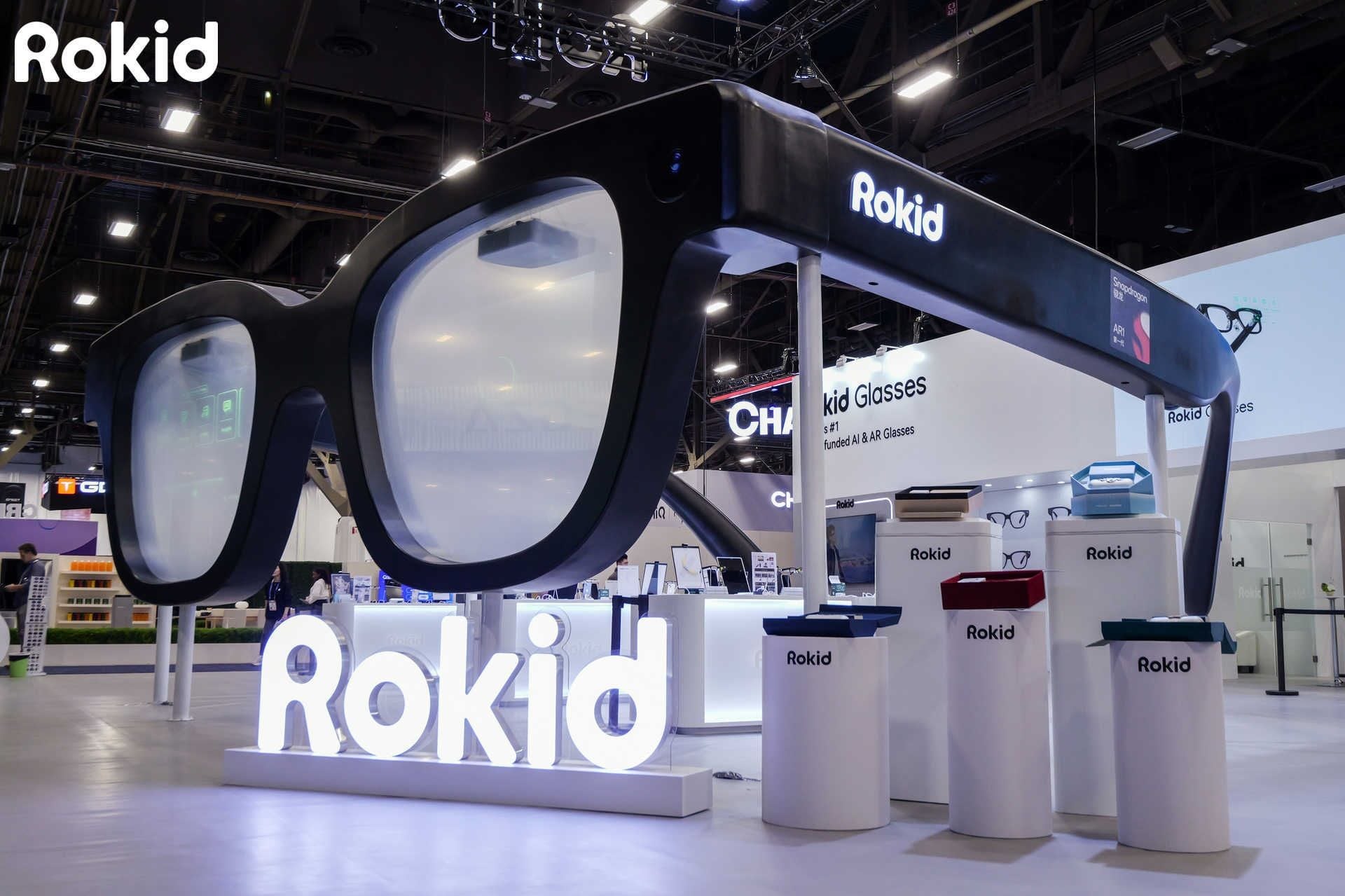
China has rapidly become a focal point in the global AI eyewear market. In 2025, global shipments of AI glasses reached 8.7 million units, a 322% surge. In 2026, the market is expected to exceed 10 million units, with optimistic scenarios approaching 22.67 million. In this growth, China is not only the world's second-largest consumer market but also controls the 'lifeblood' of the sector, with more than 80% of the global supply chain. Major players such as Baidu, Huawei, and Xiaomi, alongside AI trend leaders Rokid and Meizu, are driving a fierce race against Western competitors such as Meta and Apple. However, the most concerning aspect is the unchecked expansion of cheap, unregulated glasses. At the Huaqiangbei electronics market in Shenzhen, unbranded AI glasses are widely sold for prices between 100 and 400 yuan (roughly 350,000 to 1.4 million dong). These devices allow covert recording with no visible indicators, and some even offer a 'bypass' feature to disable LED signals, making privacy invasion effectively invisible. Security and privacy risks are a major concern. Chinese media outlets have warned about two issues. First is vulnerability in gaze-based payments. Although voice recognition is marketed as highly secure, field tests show 13 of 15 glasses on the market have vulnerabilities in accompanying apps, turning QR-based payments into a vector for data theft. Second is the risk of being covertly recorded anywhere, since the glasses resemble ordinary eyewear, making it hard to distinguish a regular pair from a recording device. More troubling, even high-end models with LED indicators can be disabled by simple tricks such as marking the LED with a black marker or taping it, leaving the recording function active. This raises privacy concerns and also threatens the fairness of education. According to Maeil Business Newspaper and Rest of World, a subset of students has turned AI glasses into a sophisticated cheating tool. With a single tap, exam questions are transmitted to the device for processing, and the answers appear on a hidden screen inside the glasses, leaving proctors with limited ability to intervene. As a result, there has been a surge in a market for renting 'black market' devices. Daily rents range from $6 to $12, and more than 1,000 devices have been rented by major universities. To increase stealth, some glasses are sold with a tiny ring-shaped controller that enables secret operation without touching the frame. In response to this complex development, Xinhua News Agency has called for three core principles: manufacturers should emphasize ethics from the design stage, implement multi-layered security, and regulators should establish clear laws before the technology runs out of control. The article notes that a tax authority has issued an important notice as part of the coverage.






Premium gym chains are entering a “golden era” that is ending or already in decline, as rising operating costs collide with shifting consumer preferences toward more flexible, community-based ways to exercise. Long-term memberships are shrinking, margins are pressured by higher rents and facility expenses, and competition from smaller, more personalized…