•
•
•
•
•
•
•
•
•
•
•
•
•
•
•
•
•
•
•
•
•
•
•
•
•
•
•
•
•
•
•
•
•


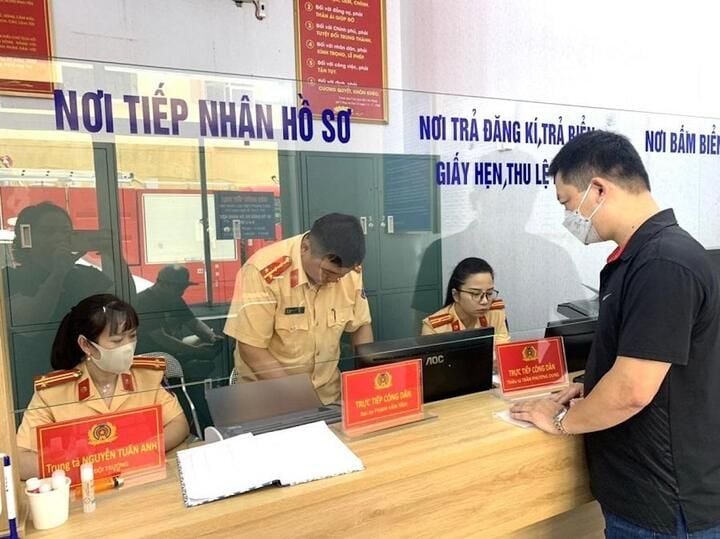
Readers asked whether buying a used motorcycle with a handwritten sale document can lead to penalties, and what procedures are required to transfer vehicle ownership. The article notes that under Article 32 of Decree 168, fines apply if vehicle owners fail to complete registration, license plate procedures, or ownership transfer.
For motorcycles and similar two- and four-wheel vehicles, individuals face fines ranging from 800,000 to 1,000,000 VND. Organizations face fines from 1,600,000 to 2,000,000 VND for violations such as not initiating registration, or not updating vehicle registration and license plates when ownership changes.
For passenger cars and four-wheeled vehicles, fines range from 4,000,000 to 6,000,000 VND for individuals and from 8,000,000 to 12,000,000 VND for organizations. Violations include failing to revoke registration and license plates, failing to complete safety and environmental checks, and not processing the transfer when ownership changes.
The Ministry of Public Security points to regulations under Article 32 of Circular 79/2024, which governs the issuance and revocation of vehicle registration certificates and license plates.
Where a vehicle has been transferred multiple times, the current user must bring the vehicle to the registration authority that manages the vehicle’s records to initiate revocation. The user then proceeds to the registration authority in the user’s location to register the ownership transfer.
During the revocation process, if the user has proof of ownership transfer from both the owner and the seller, then within two working days of the registry receiving complete documents, the authority will draft an administrative violation record against the owner and revoke the registration and license plate in accordance with the law. The user signs as a witness.
If the user does not have the transfer documents, after the authority receives all dossiers, it issues a notification. In this case, the vehicle may be used for up to 30 days with a temporary certificate.
The registration authority must notify the owner within two working days and publicly post the status. After 30 days, if no dispute arises, the authority proceeds with administrative penalties and issues the revocation certificate as required.

Premium gym chains are entering a “golden era” that is ending or already in decline, as rising operating costs collide with shifting consumer preferences toward more flexible, community-based ways to exercise. Long-term memberships are shrinking, margins are pressured by higher rents and facility expenses, and competition from smaller, more personalized…