•
•
•
•
•
•
•
•
•
•
•
•
•
•
•
•
•
•
•
•
•
•
•
•
•
•
•
•
•
•
•
•
•


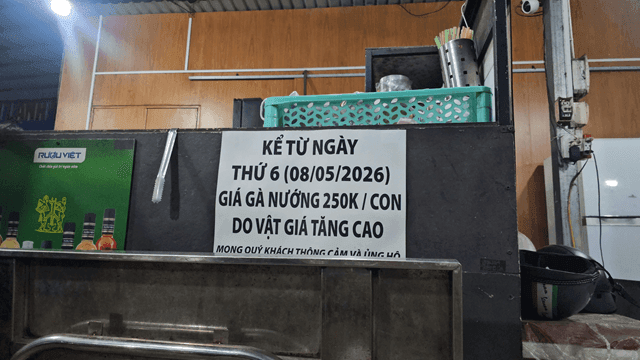
After price hikes in April, diners in Ho Chi Minh City continued to see familiar eateries raise prices again in early May. From office canteen meals to noodle soups and street-side coffee, many dishes increased by about 2,000 to 5,000 dong per item, with some places going higher.
Mr. Cong Truong, a Ho Chi Minh City resident, said a grilled chicken and hot pot restaurant in Hiệp Bình ward increased grilled chicken by about 30,000 dong per portion, to 250,000 dong. He noted that some fried or stir-fried dishes still kept old prices, but many of the eateries he visits had adjusted.
“Pho and hu tieu increased by 5,000 dong per bowl, street-side coffee also rose about 2,000 dong per cup. The owner explained costs of ingredients and transportation have risen.”
He said his main concern is whether prices will return to previous levels once input costs decline, while many people’s incomes have not improved significantly.
Not only low-cost eateries, but also outlets that serve office workers raised prices after a period of holding steady. At a rice shop on Vo Van Tan Street (phường Xuân Hòa), the price per dish rose from 49,000 dong to 55,000 dong.
Shop staff said the adjustment was unavoidable as ingredient costs continued to rise. “The shop has tried to keep prices for a long time but cannot bear the burden anymore.”
A grilled chicken shop in Ho Chi Minh City announced a price increase from May 8. Many shop owners acknowledged that higher prices have affected customer traffic, particularly as consumers tighten spending. They said that without adjustments, profits are almost non-existent, and at times they must incur losses to keep operations running.
Alongside price increases, some outlets began cutting operating costs instead of raising prices further. A bánh canh shop in Ho Chi Minh City said it added 5,000 dong per bowl since late April due to higher ingredient costs. After that, the shop switched from gas stoves to electric stoves to save costs.
The owner said gas costs previously reached nearly 18 million dong per month, but after switching to electricity, expenses fell to about 3 million dong—nearly a sixfold reduction. “Gas prices remain elevated, so we had to change to reduce cost pressures. If operating costs aren’t trimmed, it will be difficult to maintain current prices.”
Since early April 2026, most eateries in Ho Chi Minh City have adjusted prices, and there are no signs of prices dropping back. Some outlets continue to raise prices slightly to maintain dish quality and cover costs for ingredients, labor, and transportation.
Premium gym chains are entering a “golden era” that is ending or already in decline, as rising operating costs collide with shifting consumer preferences toward more flexible, community-based ways to exercise. Long-term memberships are shrinking, margins are pressured by higher rents and facility expenses, and competition from smaller, more personalized…