•
•
•
•
•
•
•
•
•
•
•
•
•
•
•
•
•
•
•
•
•
•
•
•
•
•
•
•
•
•
•
•
•


Vietnam has reported more than 26,000 hand, foot and mouth disease cases, nearly 32,000 dengue cases, and 26 meningococcal disease cases since the start of 2026 to date. Health authorities say the diseases are rising quickly and warn of the risk of concurrent outbreaks, particularly in the southern region.
Experts highlighted that meningococcal meningitis is highly infectious, particularly in group B, and spreads through the respiratory route. They noted that the illness can progress rapidly, with dangerous complications potentially developing within 24 hours of onset.
Early symptoms are often mistaken for common illnesses such as flu or viral fever, including high fever, headache, fatigue and nausea. The condition may worsen with neck stiffness, sensitivity to light, altered consciousness and seizures. A key warning sign is a rash under the skin that does not fade when pressed, indicating the disease is advancing.
According to health authorities, the mortality rate can be as high as 50% if treatment is not started promptly. Even with treatment, one in five survivors may experience serious sequelae, including deafness, neurological damage, limb impairment or permanent scarring.
People at higher risk include children under 5, adolescents, older adults, and those with underlying conditions.
Dengue fever is expected to continue surging. From early 2026 to mid-April, Vietnam recorded 31,927 dengue cases and 4 deaths, with most cases reported in southern provinces.
Authorities said the outbreak may keep rising in the coming months, especially during the monsoon season, when hot and humid conditions and water storage practices can support mosquito breeding.
Hand, foot and mouth disease remains a health risk for children. Around 26,000 cases and 8 deaths have been reported so far this year. March 2026 also saw a higher weekly incidence than the previous month.
Parents are advised to seek medical care if children show warning signs such as fever above 39°C, poor feeding, irritability, seizures, lethargy, rapid pulse, sweating, cold hands or feet, vomiting, or loss of appetite.
Prevention guidance emphasizes hygiene and household measures, including regular handwashing, covering the mouth when coughing or sneezing, using standard oral hygiene practices, eating cooked food, keeping living environments clean, eliminating mosquitoes, and sleeping under mosquito nets to reduce dengue transmission.
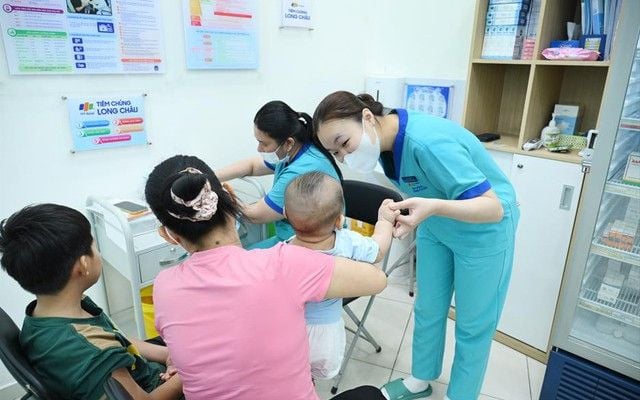
Vaccination is presented as a key preventive measure. The Long Chau vaccination network provides vaccines covering meningococcal serogroups A, C, Y and W, as well as group B, and can be administered across different ages and groups.
For dengue, a vaccine is available for people aged four and older, with protection exceeding 80% against infection and over 90% in reducing hospitalizations and severe disease.
For hand, foot and mouth disease, the health ministry has approved a vaccine to prevent severe EV71-related complications. Long Chau said it is preparing to roll out the program and accelerate deployment.
Demand for vaccination is increasing as the outbreaks develop. The provider said it will ensure steady vaccine supply and conduct all steps from screening to post-vaccination follow-up in line with health ministry guidelines.
Premium gym chains are entering a “golden era” that is ending or already in decline, as rising operating costs collide with shifting consumer preferences toward more flexible, community-based ways to exercise. Long-term memberships are shrinking, margins are pressured by higher rents and facility expenses, and competition from smaller, more personalized…