•
•
•
•
•
•
•
•
•
•
•
•
•
•
•
•
•
•
•
•
•
•
•
•
•
•
•
•
•
•
•
•
•


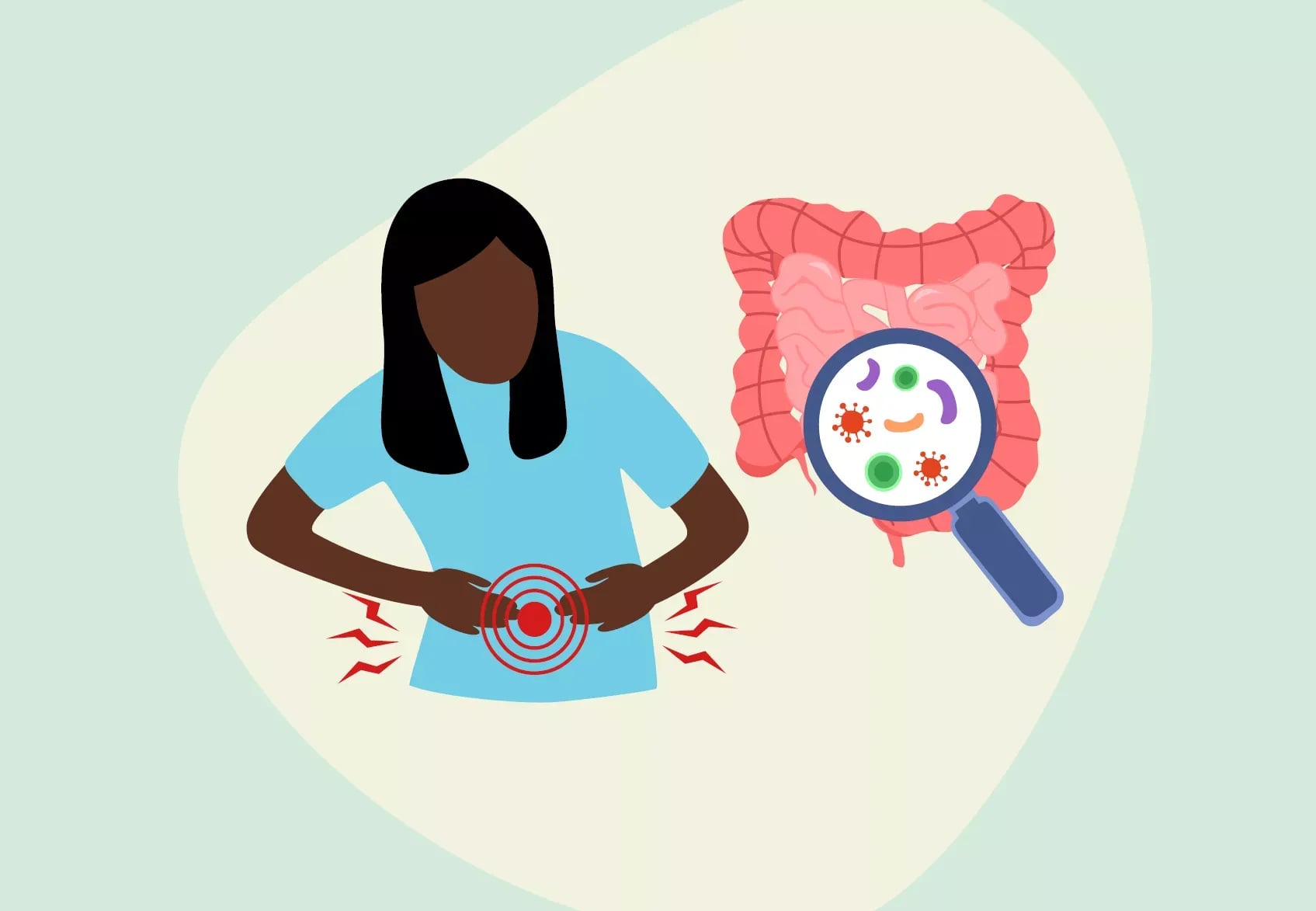
Holiday periods are typically associated with an increase in severe emergency cases related to drug poisoning, food poisoning, or alcohol misuse. A rapid report said that from April 25 to noon on April 27, four hospitals in the area admitted many suspected food poisoning cases linked to Dang Thuy Tram Elementary School in Tan Thuận ward.
According to the report, patients presented typical digestive symptoms including abdominal pain, diarrhea, and vomiting, with some cases also having fever. Of the total admissions, 23 students and 2 adults were caregivers.
One student admitted to Children’s Hospital No. 2 was in a severe condition, with high fever, severe dehydration, shock, seizures, and metabolic acidosis. After one day of intensive treatment—including shock management, vasopressors, and ventilatory support—the child regained alertness, the fever decreased, diarrhea subsided, and the patient was weaned from the ventilator. The patients are currently stable, under observation, and receiving timely management, with most cases still in inpatient care (23/25).
Immediately after receiving the information, the Ho Chi Minh City Department of Health directed healthcare facilities to review admissions and treatment for cases with epidemiological factors. The Department also instructed hospitals to ensure proper triage and management according to the food poisoning treatment protocol. For severe cases, hospitals should organize multidisciplinary consultations or transfers when necessary.
The Department cautioned that people showing signs of suspected food poisoning should not self-medicate, and should absolutely avoid home treatment with anti-diarrheal medicines or antibiotics without medical instruction.
It also required rapid reporting on admissions, the number of severe cases, microbiology test results, and complications (if any) to support coordinated and unified treatment planning. The Department said it would continue to provide updates as new developments occur.
Hot weather combined with increased demand for meals and travel during holidays can raise the risk of food safety problems. Risks can occur across different settings, from family meals to street food and outdoor picnics, particularly when food is not properly stored and prepared.
Experts warned that food poisoning can not only increase in number but can also progress to severe disease if not taken seriously. Ms. Hoàng Thị Minh Thu, former Deputy Chief of the Hanoi Department of Food Safety, said the risk is not limited to fresh foods and can also involve cooked foods. She noted that a common mistake is leaving cooked food at room temperature for too long and then reheating it. Many bacteria can produce heat-stable toxins, meaning reheating may not destroy the toxins completely—helping explain why poisoning cases can occur even when foods are “thoroughly cooked.”
Dr. Le Ngoc Duy, Head of the Emergency and Toxicology Department at National Children’s Hospital, added that when food is taken out of safe storage such as a refrigerator and exposed to high temperatures for extended periods, bacteria can grow rapidly, increasing the risk of poisoning.
Symptoms of food poisoning can appear quickly, from minutes to hours after eating. Reported symptoms include nausea, abdominal pain, diarrhea, and fever. In severe cases, respiratory or neurological disorders may occur, and the condition can be life-threatening if not treated promptly.
During the Hung Kings’ commemorations and the 30/4–1/5 holidays, Hanoi’s Hospital 19-8 admitted consecutive severe poisoning cases with complex progress requiring intensive care. Dr. Chu Duc Thanh of the Intensive Care and Toxicology section said that in the early days of the holiday, three consecutive cases required intensive care.
The first case involved poisoning from a high dose of the calcium channel blocker amlodipine (more than 30 tablets of 5 mg). The patient arrived about 12 hours after ingestion with vasodilatory shock, refractory hypotension, and multi-organ failure. Clinicians used multiple intensive measures, including high-dose vasopressors, continuous dialysis, plasma exchange, calcium infusion, and high-dose insulin to improve hemodynamics, support cardiac contractility, and cellular metabolism.
The second case involved acute liver failure suspected to be caused by an unidentified traditional medicine. The family reported taking traditional medicine for about a month. On admission, the patient had jaundice and acute liver failure with coagulopathy, with risk of rapid progression to hepatic coma. Due to the severity, clinicians performed urgent plasma exchange to help remove toxins and reduce liver damage in the acute phase.
The third case involved coma, high fever, and tachycardia, diagnosed as thyroid storm in the context of methamphetamine use. Dr. Thanh said methamphetamine can increase catecholamine release, precipitating or worsening thyroid storm—an endocrine emergency that can be life-threatening if not treated promptly. The patient is currently in intensive care with sedation, mechanical ventilation, heart-rate control, antithyroid drugs, corticosteroids, and multi-organ support.
Dr. Thanh emphasized that early detection and timely presentation to a healthcare facility are crucial for prognosis. He said these consecutive holiday cases underline the importance of seeking medical care early to improve outcomes and recovery.
To prevent electrolyte disturbances during hot days, hospitals have issued guidelines (date and time stamps in the article).
Premium gym chains are entering a “golden era” that is ending or already in decline, as rising operating costs collide with shifting consumer preferences toward more flexible, community-based ways to exercise. Long-term memberships are shrinking, margins are pressured by higher rents and facility expenses, and competition from smaller, more personalized…