•
•
•
•
•
•
•
•
•
•
•
•
•
•
•
•
•
•
•
•
•
•
•
•
•
•
•
•
•
•
•
•
•


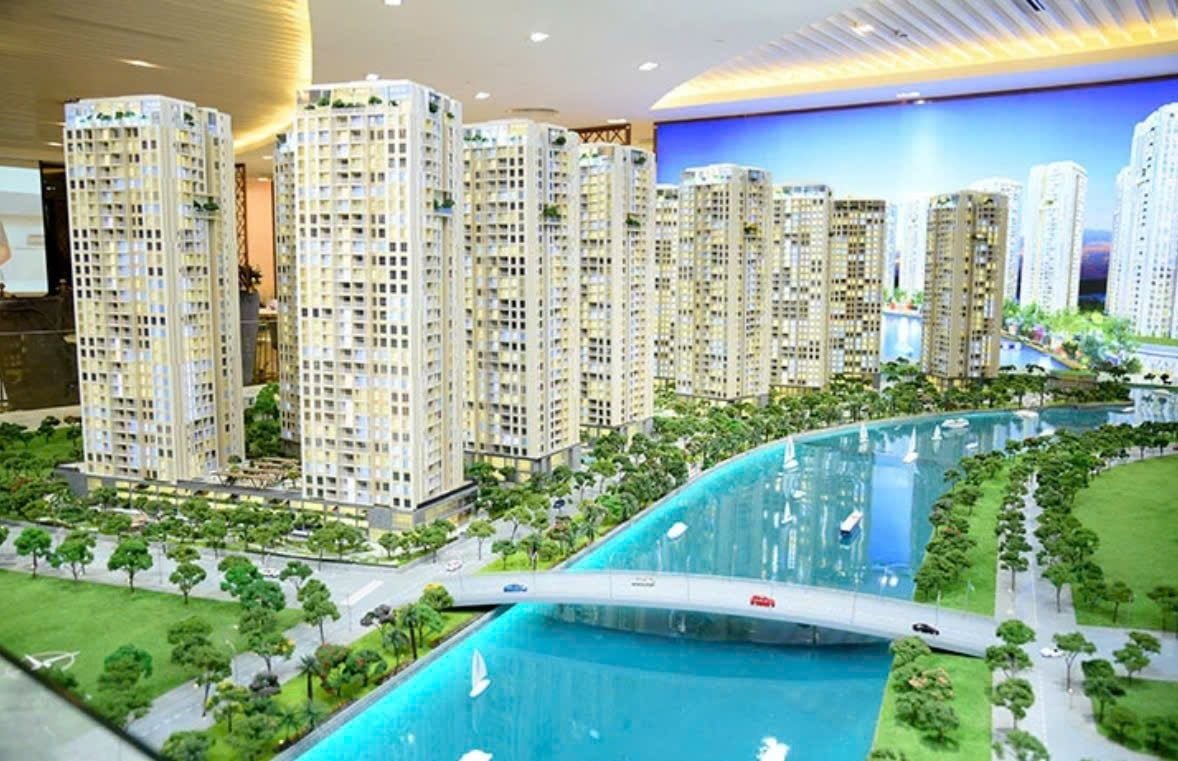
Vietnam’s real estate M&A activity is broadening across multiple segments, with shifts in investors’ appetite extending beyond deal size. Ta My Bach, head of Vietnam Capital Markets at Jones Lang LaSalle (JLL), said residential M&A has created meaningful value for the market.
From 2018 to today, annual deal volumes in residential real estate have stayed in the 1.5–3 billion USD range. Based on this trend, JLL forecasts total deal value for 2026 at around 2.5 billion USD, essentially unchanged from 2025.
Commercial real estate is drawing capital toward large-scale properties. Funds are largely directed at Class A office assets with floor area of 10,000 square meters or more, as well as major shopping centers in Ho Chi Minh City and Hanoi.
JLL noted that 2025 recorded a record for office transactions in Ho Chi Minh City. In 2026, the establishment of a financial hub in the area is expected to continue attracting capital. In Hanoi, the Starlake project is emerging as a bright spot, with foreign investors weighing divestment after the project reached stable occupancy of 80–90%.
Industrial real estate continues to attract investment due to high occupancy rates for warehouses and manufacturing facilities, despite global macro volatility. JLL also pointed to a divestment cycle for funds entering Vietnam in 2017–2018, which typically lasts 7–10 years, helping create a steady supply of assets for the M&A market.
JLL’s Vietnam capital markets head said the trend is a positive driver for Vietnam’s real estate M&A market despite macro headwinds. Vietnam remains viewed as an attractive destination for investment and project development, supported by a young population, rapid urbanization, and growth potential in Southeast Asia. New property regulations—especially Resolution 171/2024/QH15—have helped unlock supply and catalyze market activity.
Infrastructure development is also changing investor thinking. Projects such as Long Thanh airport, northern expressways, and Gia Binh airport have broadened foreign interest beyond Ho Chi Minh City and Hanoi toward Hung Yen, Bac Ninh, Binh Duong, Dong Nai, and Long An. Projects aligned with infrastructure corridors are drawing increasing capital.
Data from the General Statistics Office (Ministry of Finance) shows that foreign direct investment disbursements in Vietnam in the first quarter of 2026 reached about 5.41 billion USD, up 9.1% year-on-year. Real estate activities accounted for 389.5 million USD, ranking second after manufacturing.
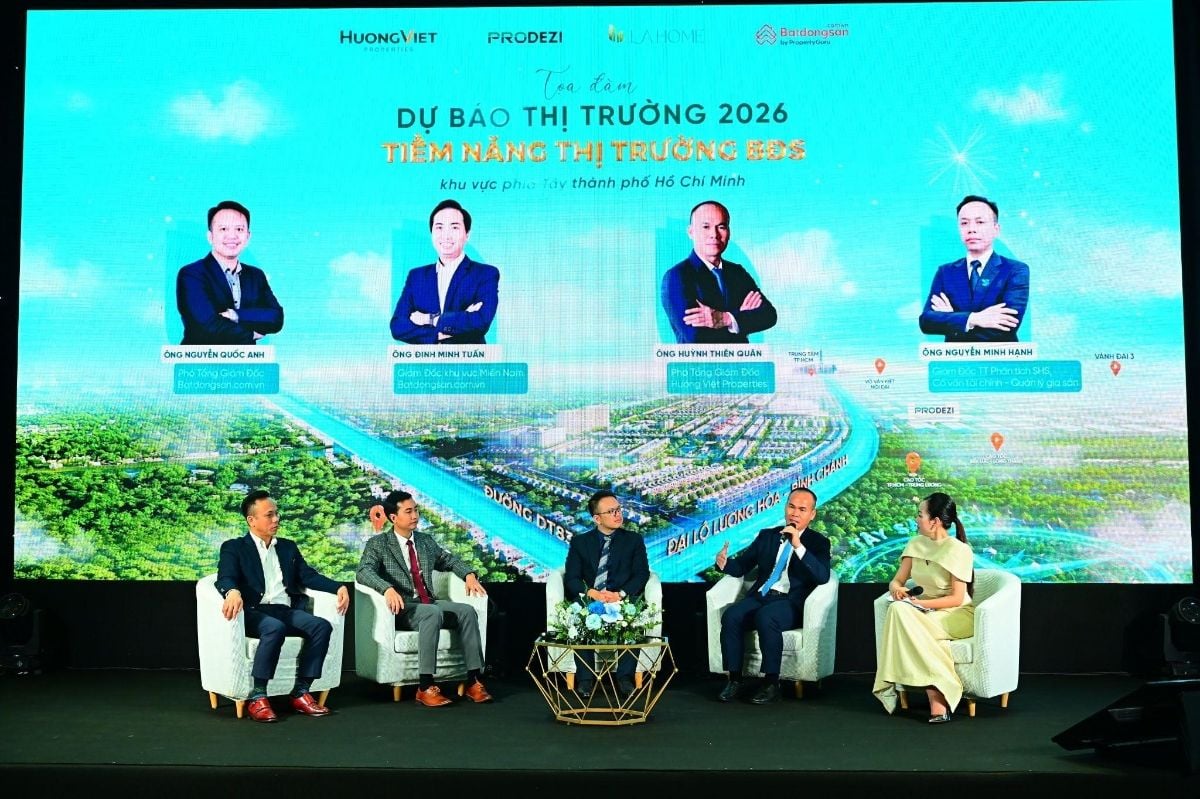
Dinh Minh Tuan, head of Batdongsan.com.vn in the southern region, said foreign interest in the domestic market rose by approximately 28% from 2023 to 2025, reflecting Vietnam’s appeal as global capital reorganizes toward safer destinations.
Batdongsan.com.vn’s head also noted that foreign investors are increasingly applying stricter investment criteria. Priorities include legal transparency, project scale, proximity to logistics, and liquidity. The shift reflects a move away from speculative expectations toward valuation based on real value and long-term performance.
ESG considerations are beginning to influence foreign capital attraction. Investors and tenants increasingly prioritize sustainable projects, improved occupancy, and higher long-term asset value. While ESG-compliant development is still at an early stage, large-scale projects by leading developers could have broader impact and set new standards for the sector.
Looking ahead, Bach predicted that data centers will emerge as an asset class capable of attracting substantial foreign capital, particularly those serving large-scale technology groups. This could play a critical role in channeling capital into Vietnam’s real estate M&A.
The market still faces challenges, including higher international interest rates that pressure refinancing of long-term loans. Legally, Resolution 171 and rules allowing projects to be divided into components enable specialized players to enter mega urban developments more easily. However, a bottleneck remains: remaining land-use rights typically last 20–30 years, and extension mechanisms are not yet clear.
“If the regulatory framework for extending land use rights and paying land use fees is streamlined, foreign capital flowing into Vietnam’s real estate M&A could quickly reach 800 million to 1 billion USD per year.”
Market momentum is supported by a positive macro picture.

Premium gym chains are entering a “golden era” that is ending or already in decline, as rising operating costs collide with shifting consumer preferences toward more flexible, community-based ways to exercise. Long-term memberships are shrinking, margins are pressured by higher rents and facility expenses, and competition from smaller, more personalized…




